
 Gifts
 Discounts


Kids' bikes should be chosen according to the child's height, riding ability and type of riding – age or wheel size alone is not always enough. Choose from balance bikes and 14, 16, 20, 24, 26 or 27.5-inch bikes for children and teenagers.
Kids’ Bikes


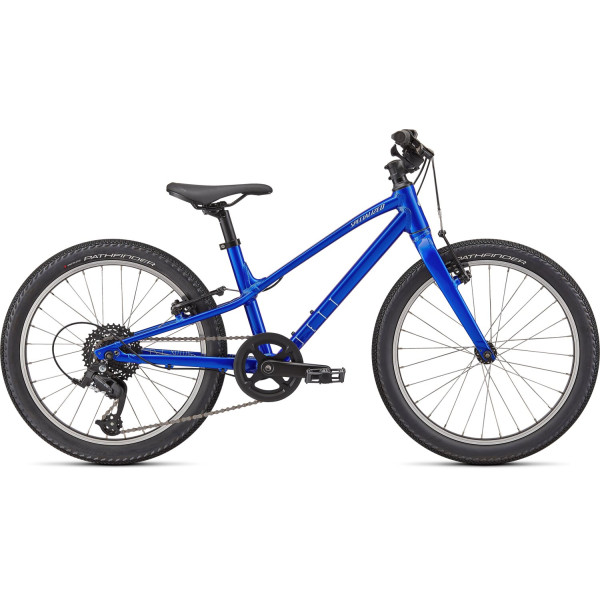

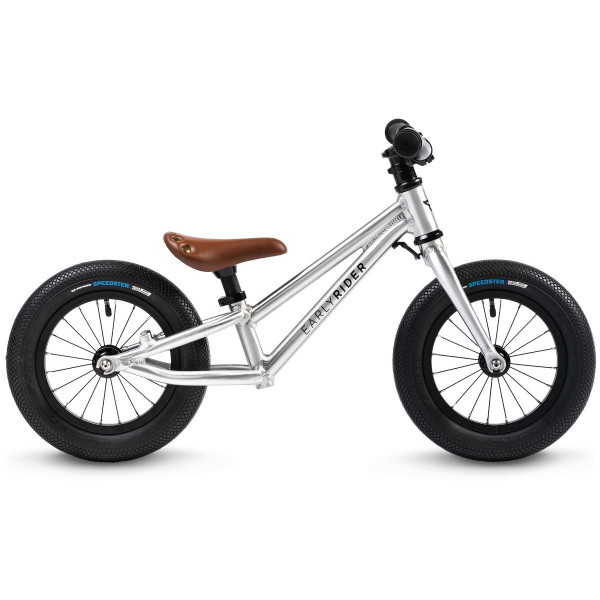

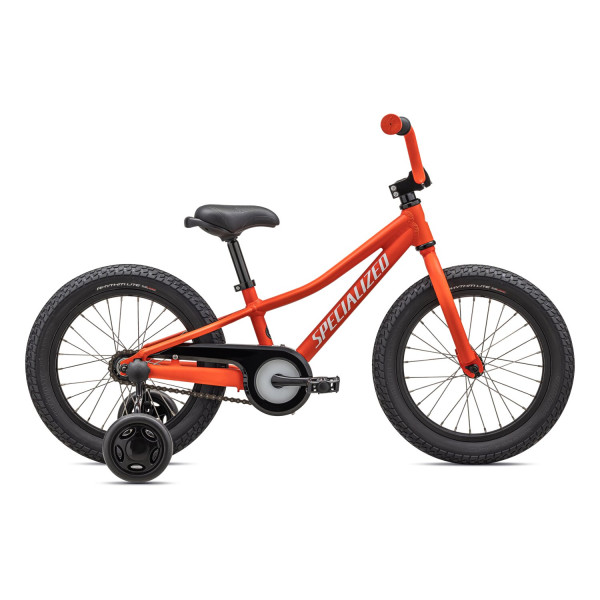


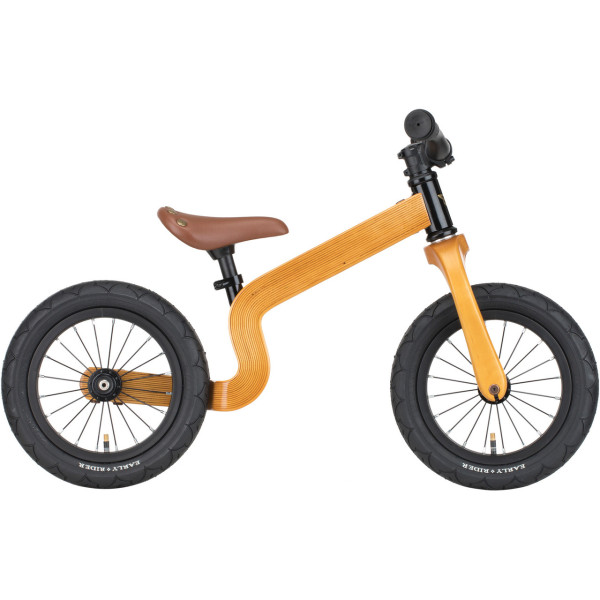





Related Categories
How to choose a kids' bike?
A properly sized kids' bike should allow the child to control it comfortably, stop safely and easily reach the key controls. When choosing a bike for a child, it is therefore important to consider not only their age, but above all their height, the bike's geometry and the manufacturer's recommendations.
We do not recommend buying a bike that is much too large in the hope that the child will quickly grow into it. A bike that is too large and heavy is harder to control and can make learning to ride more difficult.
What size bike does a child need?
Kids' bikes are usually classified by wheel diameter. Balance bikes are designed for the youngest riders, followed by models with 14, 16, 20, 24, 26 and 27.5-inch wheels.
Wheel size is a useful starting point, but two bikes with the same wheel size will not necessarily suit children of the same height. Frame geometry, saddle height adjustment range and riding position can vary. For the most accurate fit, follow the height range recommended by the manufacturer for the specific model.
Why does the weight of a kids' bike matter?
Bike weight matters much more to a child than to an adult. A lighter bike is easier to get moving, control through turns, stop and lift. This is especially important for children who are still learning to ride.
When comparing different bikes for kids, it is worth considering not only the price and components, but also the overall weight of the bike.
Brakes, gears and other components
For younger children, brake levers should be easy to reach and should not require too much force to operate. As children grow and start riding on more varied routes, gears become useful for tackling climbs and riding at different speeds.
It is also worth considering where the child will ride most often. Everyday riding in the neighbourhood or on cycle paths and more active riding on forest trails may require different geometry, tyres and components.
Age or height – which should you use when choosing?
Age can provide a rough guide, but children of the same age can vary considerably in height and riding ability. So, when looking for a bike for a 3-, 5- or 8-year-old, it is best to know the child's height first and then check the sizing recommendations for the specific bike.
If the child falls between two sizes, consider their height, inseam, riding experience and the geometry of the specific model rather than automatically choosing the larger bike.
Not always. Children who have learned to balance on a balance bike can often move on to a pedal bike without training wheels. The most important thing is that the new bike is the right size and the child can control it confidently.
When a child can confidently balance, steer and stop on a balance bike, they can start trying a pedal bike. There is no single ideal age – children develop their riding skills at different rates.
Gears are usually not necessary for the youngest children. They become more useful on larger bikes when a child starts riding longer distances, tackling hills or riding on more varied routes.
First, choose a correctly sized bike helmet. Depending on the riding conditions, lights, a water bottle, a bell and other accessories that improve safety and comfort can also be useful.