
 Gifts
Gifts Discounts

In this category, you will find rear derailleurs – an important drivetrain component that ensures smooth gear shifting, so compatibility with gear count and bike type is essential.
Rear Derailleurs
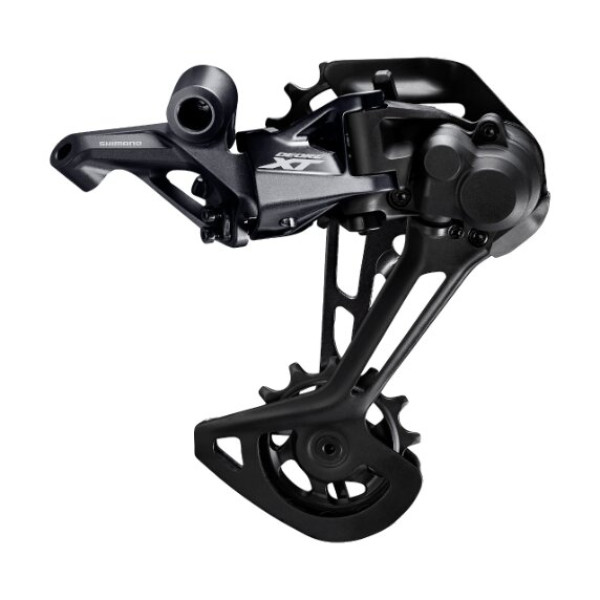
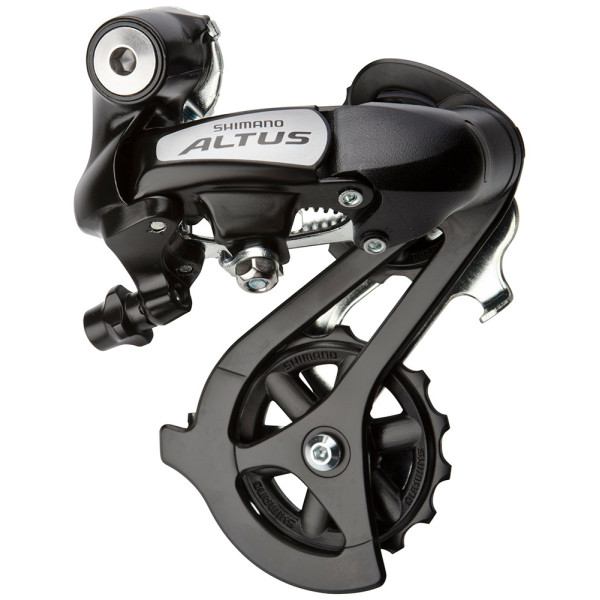


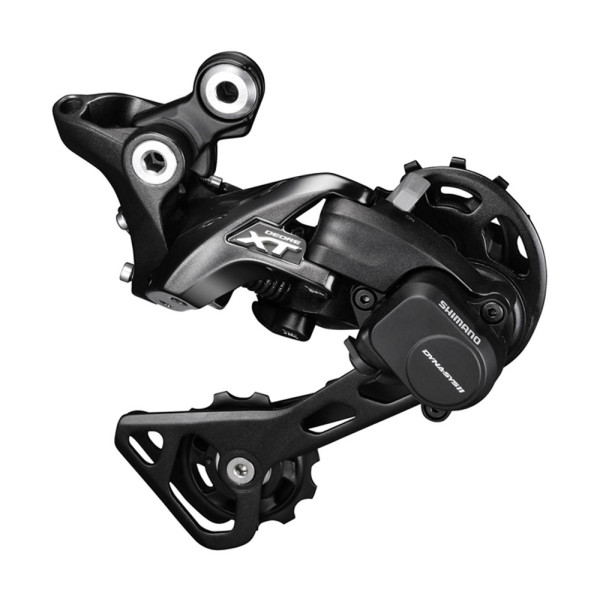
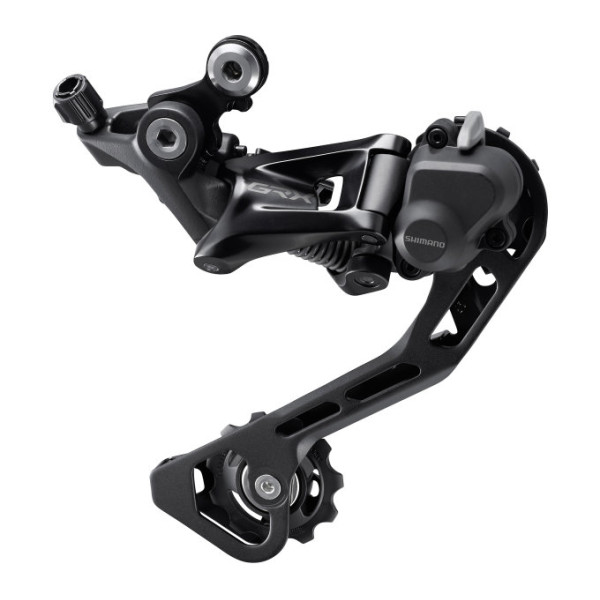
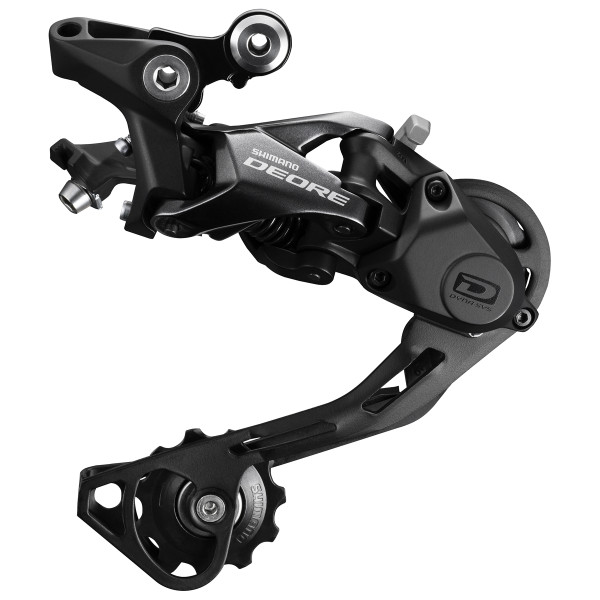
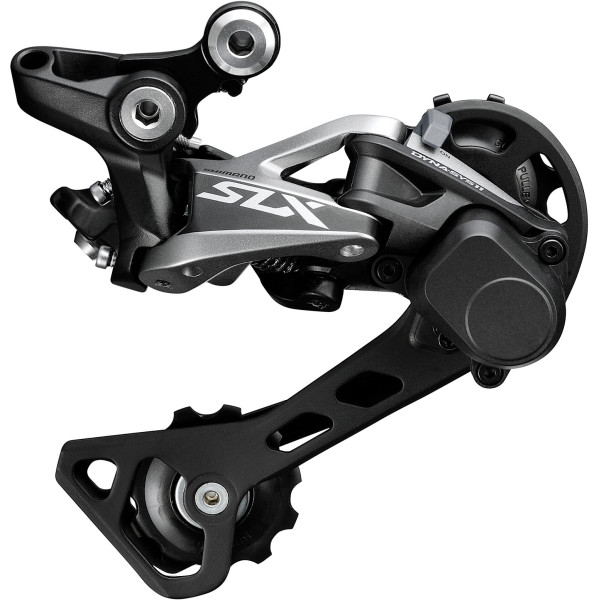
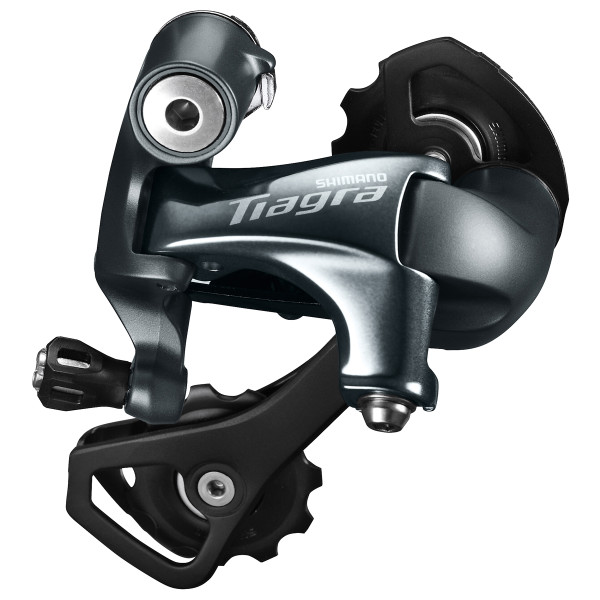
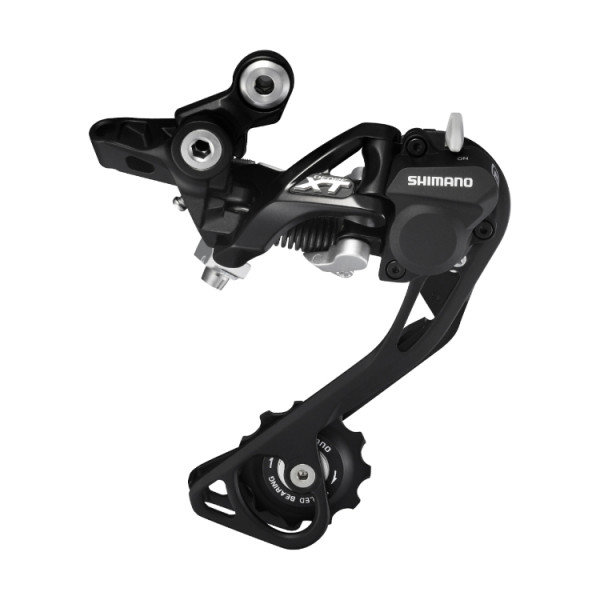
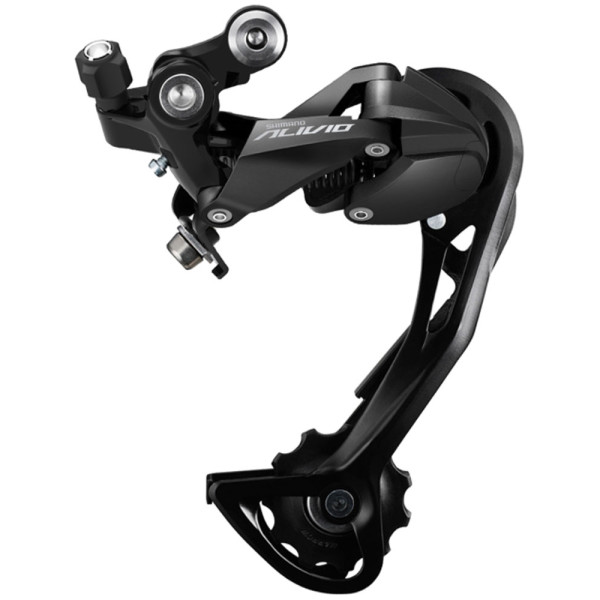
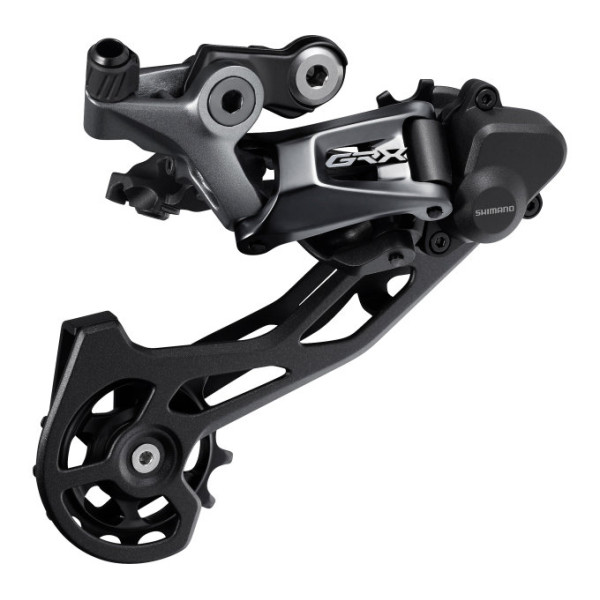
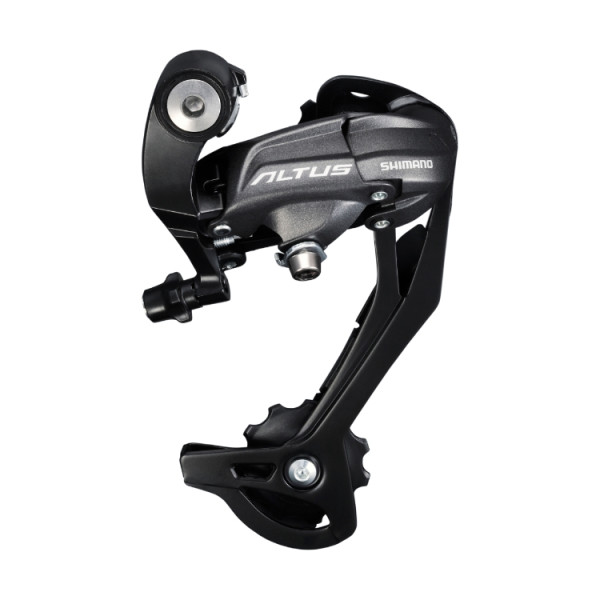
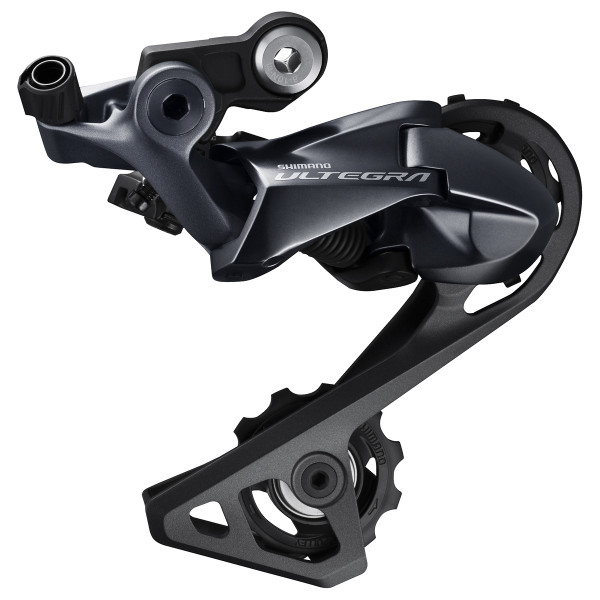
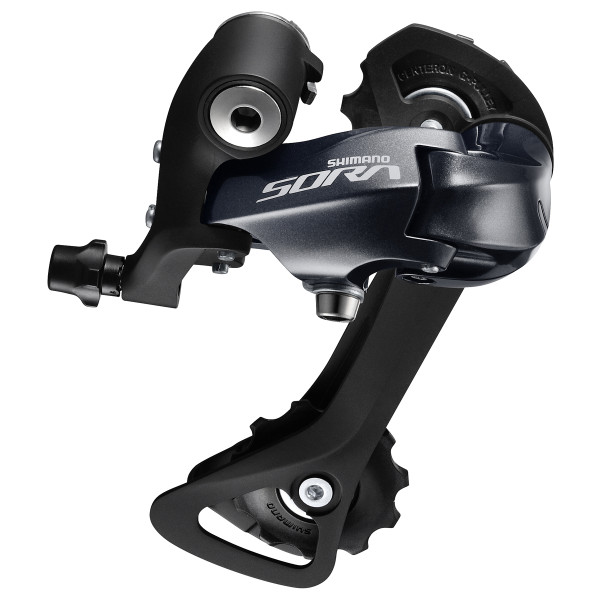
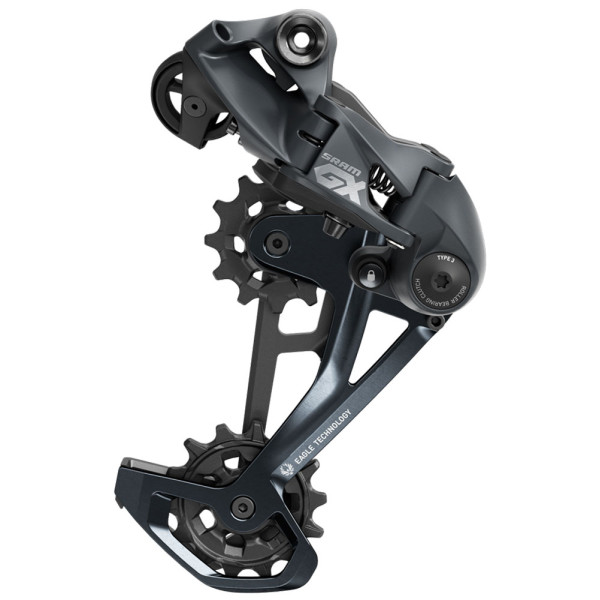
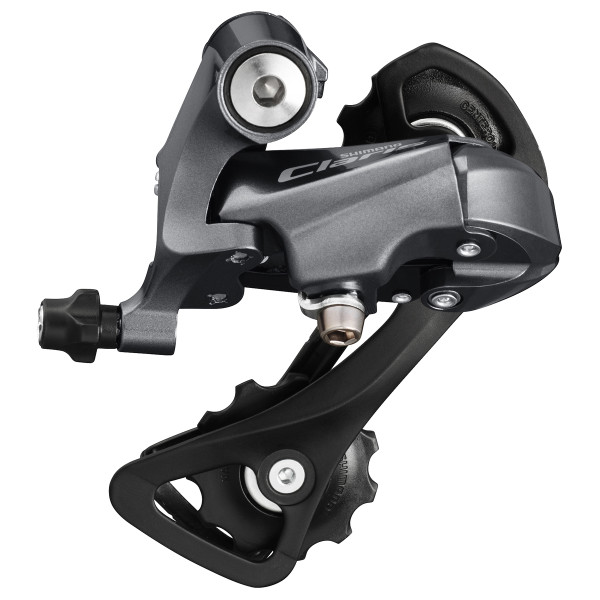
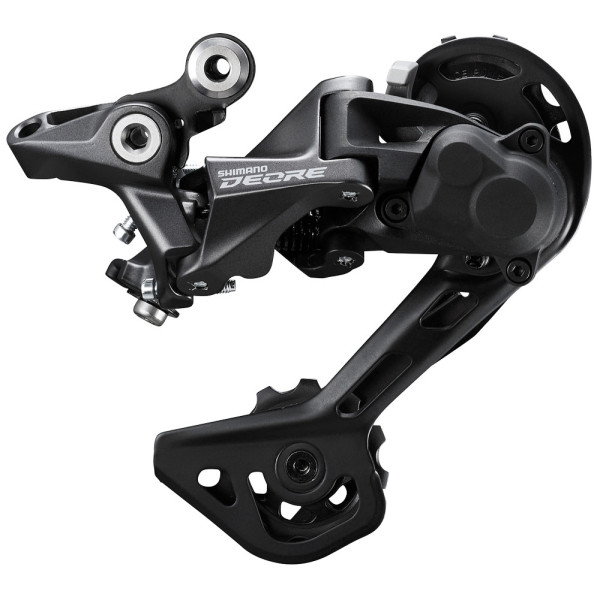
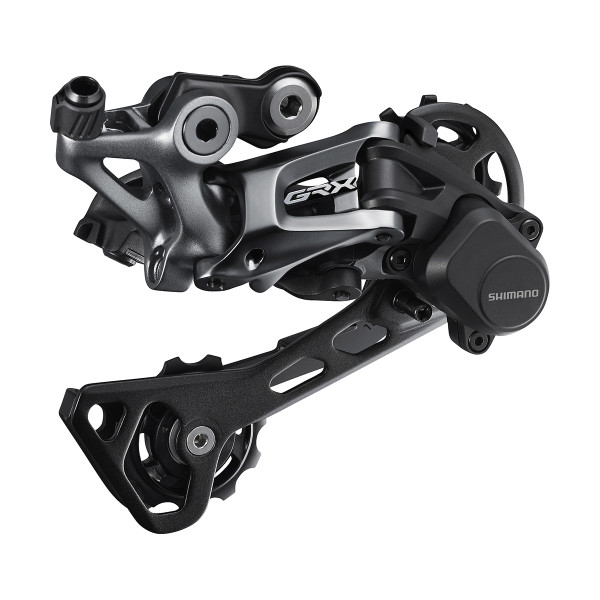
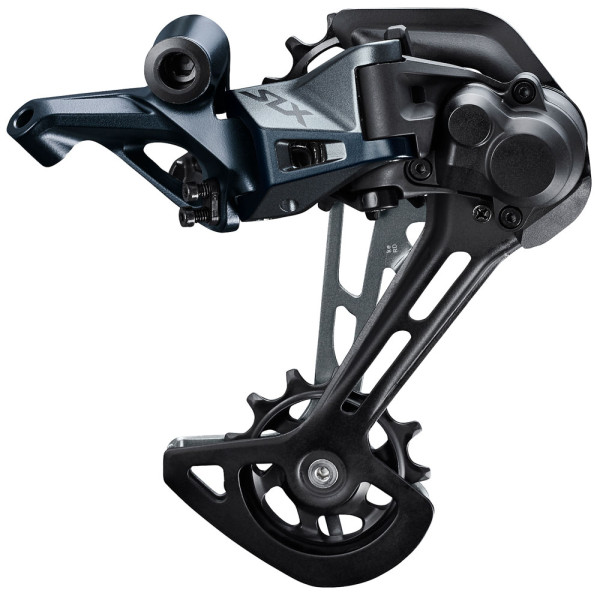
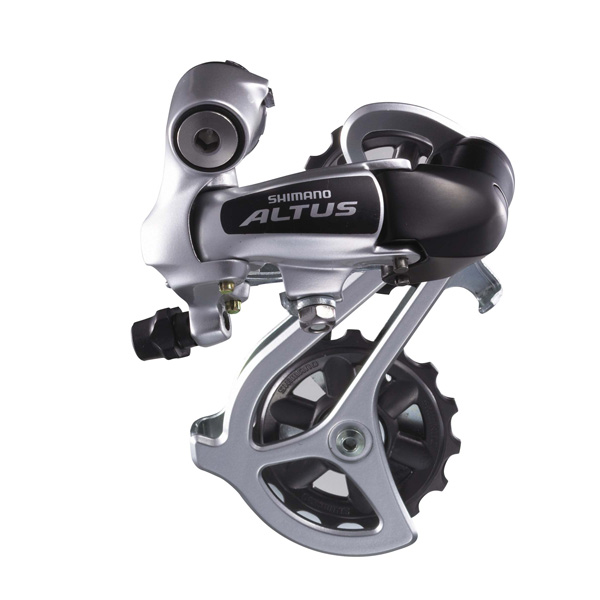
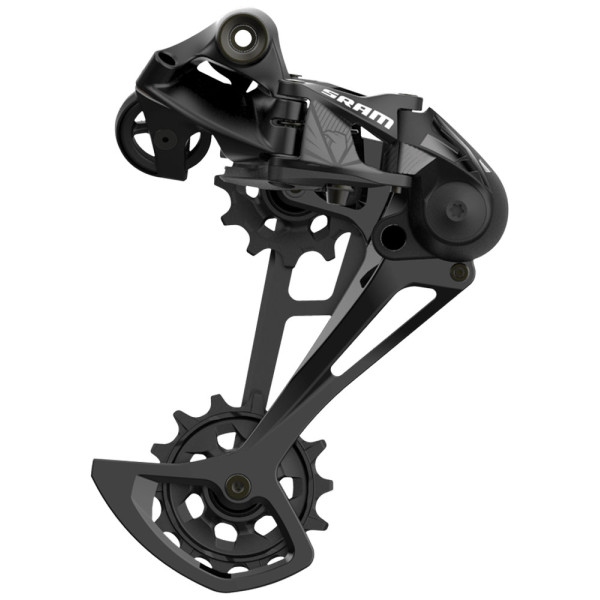
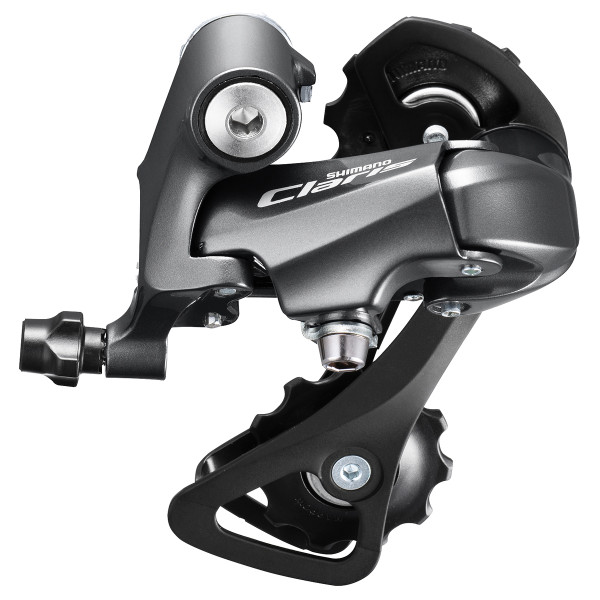
How to choose a rear derailleur?
When choosing a rear derailleur, the most important things to consider are how many gears your bike has at the rear and which cassette is used. Different shifting mechanisms are designed for different numbers of gears, so an unsuitable model can result in inaccurate or rough shifting and faster chain wear.
The derailleur cage length is also important – it should match the cassette size so the chain stays properly tensioned in all gears. For MTB bikes, sturdier derailleurs are more common, as they help keep the chain stable on rough terrain, while road, gravel, or city bikes benefit most from smooth, quiet, and reliable performance in everyday riding conditions.
When and why should you replace a rear derailleur?
Over time, a rear derailleur wears out, even if it’s not always obvious right away. The first signs are usually imprecise shifting, delayed response, or increased noise while riding. Issues also often appear after crashes or impacts, even if the derailleur itself looks undamaged.
Very often in these cases the derailleur hanger is bent – it’s a small part the derailleur mounts to. It’s designed to bend and protect the frame, so it should be replaced. Over time, the derailleur pulley wheels also wear out and can be replaced separately. Replacing worn parts brings back smooth shifting, improves ride comfort, and reduces stress on other drivetrain components.
Why choose a Shimano rear derailleur mechanism?
Shimano rear derailleurs are known for reliable performance and fit many bikes. You’ll find options for both everyday and sportier bikes – for riding in the city, on forest trails, or on longer trips. Shimano derailleurs are usually easy to adjust, work well for daily use, and spare parts are easy to find in most bike workshops, making maintenance straightforward for most riders.
The most important things are the number of gears at the rear, the cassette being used, and the drivetrain manufacturer. It’s also important to consider the bike type – city, MTB, road, or gravel – as different bikes have different requirements.
Most often, the derailleur hanger is bent after a crash. Even a small bend can affect shifting performance, so the hanger needs to be replaced.
Not always. Sometimes it’s enough to replace the hanger or worn derailleur pulley wheels and adjust the system.
Derailleur pulley wheels guide the chain and help ensure smooth gear shifting. Over time, they wear out and can be replaced separately.
Yes, Shimano derailleurs are usually easy to adjust, and most bike workshops are very familiar with their setup.