When choosing a kids' bike, the right wheel size is not the only thing that matters. One child may need a lightweight and easy-to-handle first bike, another may need a model for forest trails, while an older child may be ready for a sportier MTB, gravel or road bike.
In this guide, we compare popular Specialized, Bemoov and Early Rider kids' bikes based on their intended use. This will make it easier to understand which model best suits your child's height, experience and where they will ride most often. You can find the full range and more information about choosing the right size in our kids' bikes category.
Which kids' bike should you choose?
There is no single best kids' bike for every child. For a beginner, low weight and easy handling are most important. A child riding on forest trails needs suitable tyres and geometry, while longer rides call for a lightweight bike that rolls efficiently. That is why different models are best compared according to what they are designed for.
Bemoov M – a lightweight, versatile kids' bike
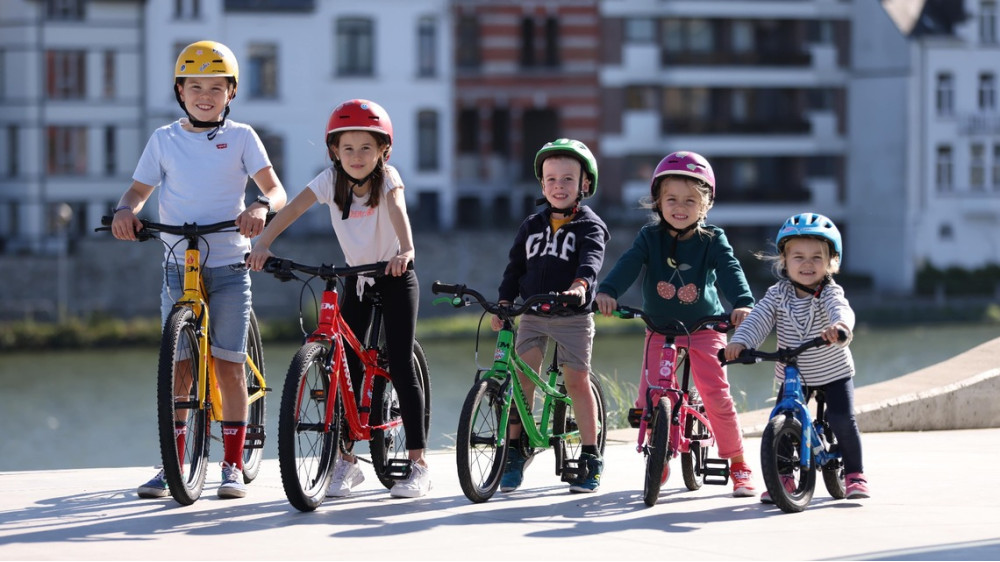
Bemoov M is a broad range of kids' bikes designed for different stages of a child's growth. A lightweight aluminium frame and child-specific geometry make the bike easier to handle, start and stop.
- Best for: children who benefit from a lightweight and easy-to-handle bike.
- Where to ride: in the city, parks, cycle paths and on light gravel.
- Key feature: a wide range of sizes and child-specific geometry.
Specialized Jett – for a growing child
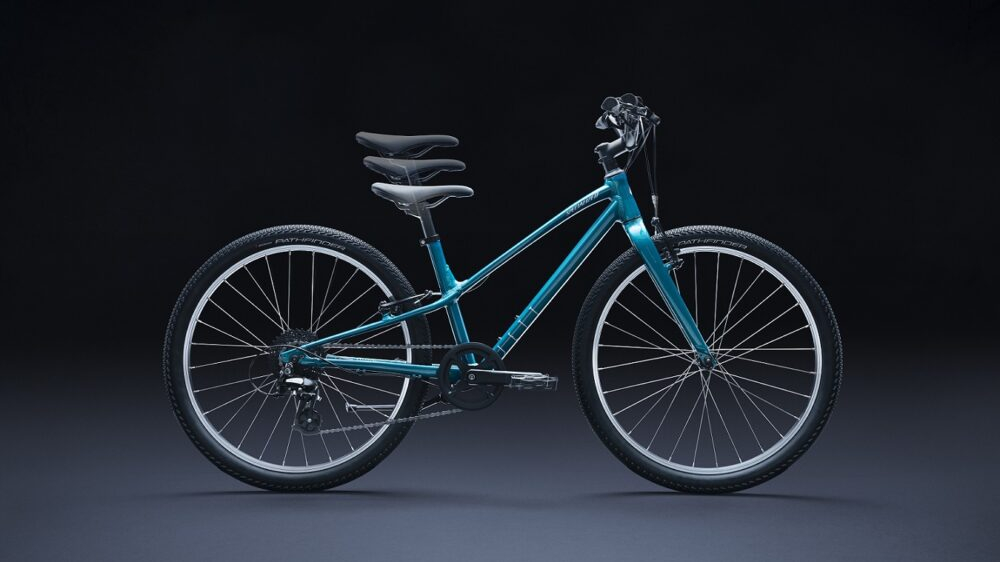
Specialized Jett is designed with a growing child in mind. An adjustable saddle and handlebar provide more options for adapting the riding position as the child grows, while the lightweight aluminium frame helps keep the bike easy to handle.
- Best for: children who ride frequently and are growing quickly.
- Where to ride: asphalt, cycle paths and light off-road surfaces.
- Key feature: extensive riding-position adjustment.
Early Rider Seeker – for forest trails and adventures
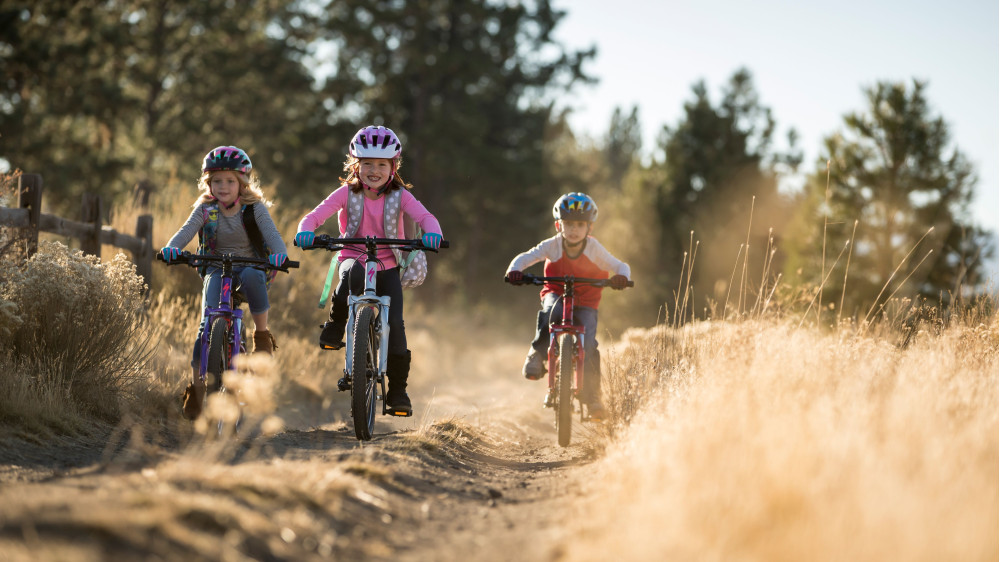
Early Rider Seeker is designed for children who are increasingly venturing beyond smooth cycle paths onto forest and gravel trails. Wider tyres provide more grip, while the lightweight construction helps the child maintain control on rougher surfaces.
- Best for: active young riders.
- Where to ride: forest trails, parks and gravel roads.
- Key feature: a combination of low weight and off-road capability.
Specialized Riprock – for first MTB adventures
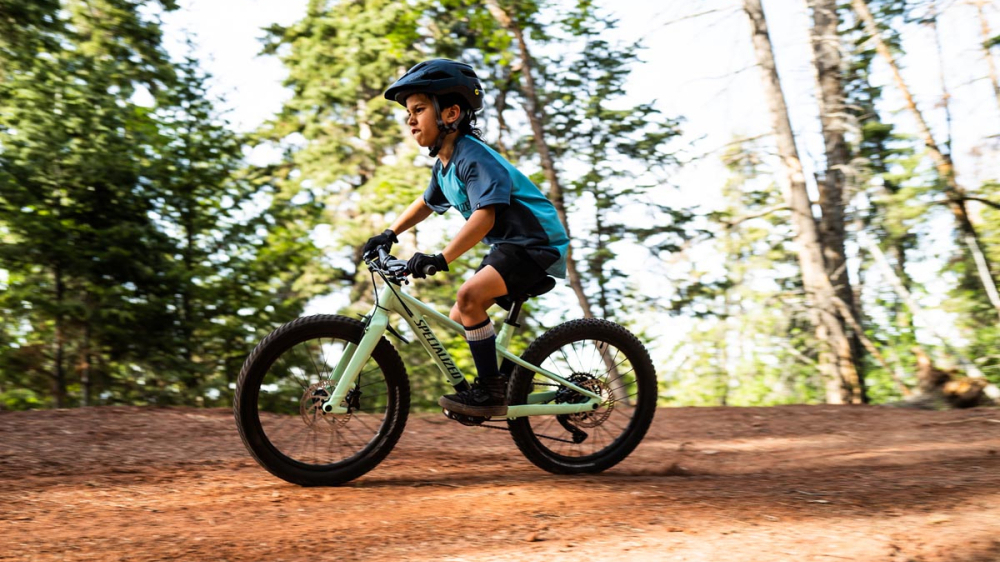
Specialized Riprock is aimed at children who want to spend more time riding on uneven terrain. Wider tyres and child-specific geometry provide greater stability in parks, on gravel roads and forest trails.
- Best for: children starting to explore MTB riding.
- Where to ride: parks, gravel roads and forest trails.
- Key feature: stability and an MTB-oriented design.
Specialized Rockhopper – for older young MTB riders
Specialized Rockhopper is already closer in design to an adult mountain bike. It is an option for taller or older children and teenagers who want to ride on forest trails and more varied terrain.
- Best for: older children and teenagers.
- Where to ride: forest trails, gravel roads and uneven terrain.
- Key feature: an MTB-oriented design with broader riding capabilities.
Early Rider Belter – for easier maintenance
Early Rider Belter stands out with its belt drive instead of a conventional chain. It does not need to be lubricated like a chain, helping to keep the bike cleaner and reducing everyday drivetrain maintenance.
- Best for: everyday and versatile riding.
- Where to ride: asphalt, cycle paths and light gravel.
- Key feature: belt drive and lightweight construction.
Bemoov R – for sportier riding
Bemoov R is a sportier bike range for children and teenagers. It is suited to young riders who want to ride faster, cover longer distances and join adults on longer rides on asphalt or gravel.
- Best for: children and teenagers who ride more frequently.
- Where to ride: asphalt, cycle paths and gravel roads.
- Key feature: sportier geometry and low weight.
What should you choose for the youngest children?
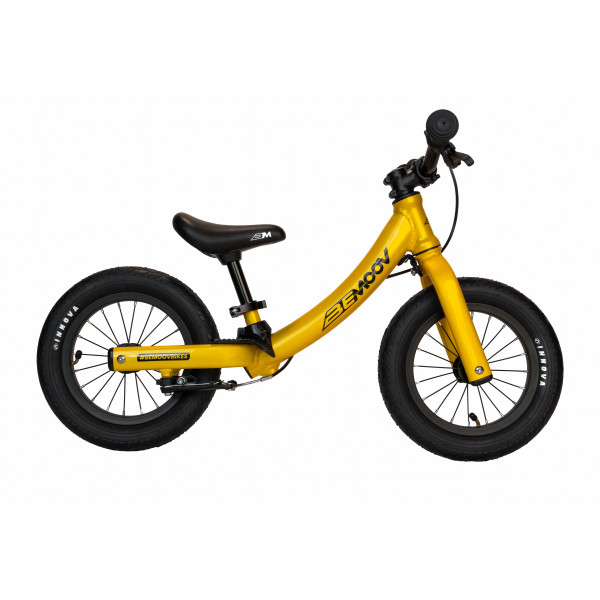
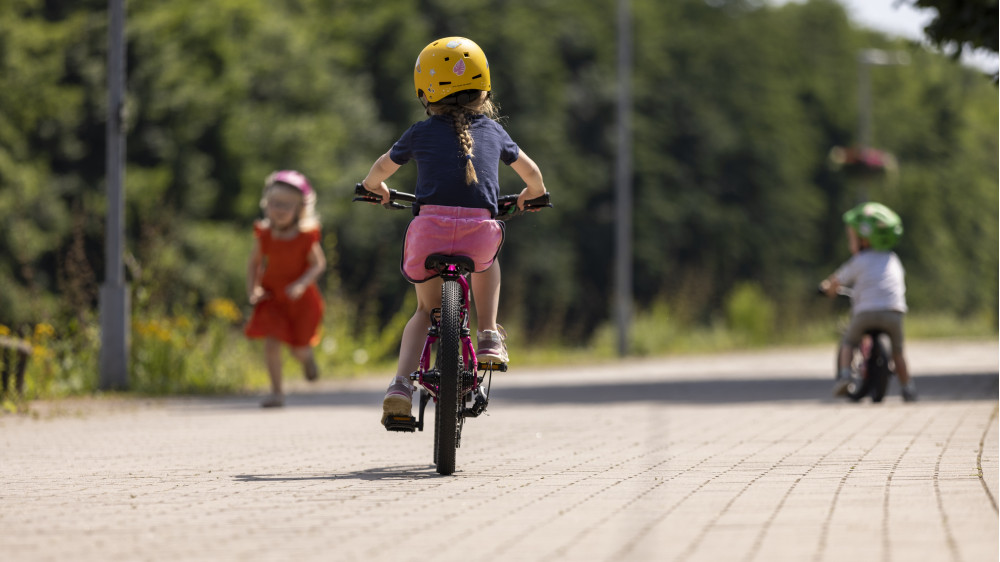
If your child is just starting to discover cycling, it is worth considering a balance bike. It allows children to learn balance and bike control first, before moving on to pedals when they are ready.
Early Rider models designed for this purpose include the Charger and SuperPly. Charger has a lightweight and durable construction, while SuperPly stands out with its wooden frame. When choosing a balance bike, the child's exact age is less important than whether they can comfortably reach the ground and control the bike independently.
Specialized, Bemoov or Early Rider?
Specialized offers kids' bikes designed for different types of riding. Jett focuses on adjustability as the child grows, Riprock on stable riding across varied surfaces, while Rockhopper is aimed at older children and teenagers looking for an MTB bike.
Bemoov places a strong emphasis on low weight and child-specific geometry. The M series covers different stages of a child's growth and versatile riding, while the R series is intended for sportier routes on asphalt and gravel.
Early Rider stands out for lightweight construction and distinctive technical solutions. Belter uses a belt drive, Seeker is designed for riding beyond asphalt, while its balance bikes are made for a child's first kilometres on two wheels.
So it is better to choose a brand based not only on its name, but on the specific model, correct size and where the child will actually ride.
How to choose the right size?
Even a bike that suits the intended type of riding will not be comfortable if it is the wrong size. Start with the child's height, the manufacturer's specific sizing recommendations and the bike's geometry. The child should be able to control the bike confidently, reach the handlebar comfortably and stop safely.
One of the most common mistakes is buying a bike that is too large "to grow into". A bike that is too big can be harder to control and may make it more difficult for the child to gain confidence. It is therefore better to choose a size that fits now rather than one the child still needs to grow into.
What else should you consider before buying?
Bike weight. The weight of a bike matters proportionally much more to a child than to an adult. A lighter bike is easier to get moving, control through turns and stop.
Riding surface. If most riding is on asphalt and cycle paths, very wide tyres with an aggressive tread are not necessary. Wider tyres provide more grip on forest trails and gravel.
Brakes and gears. Controls should be suitable for smaller hands. More gears are not necessarily better either – for a beginner, a simpler system is often easier to understand and operate.
Child's experience. A first bike and a bike for a child who already actively rides forest trails or longer routes serve different purposes. Additional technical features are valuable only when the child will actually use them.
Which kids' bike is right for your child?
The best choice is not simply the most expensive model or the one with the most features. The bike should suit the individual child: their height, riding experience and favourite routes. Easy handling matters most for beginners, while active riders benefit from tyres and components suited to their riding, and older children can choose a bike according to a more specific riding style.

 Gifts
 Discounts