
 Gifts
 Discounts


16-inch kids' bikes are generally suitable for children around 3.5–6 years old. When choosing a 16-inch bike, the most important factors are the child's height, the geometry of the specific model, the bike's weight and the child's riding experience.
16-inch Kids' Bikes


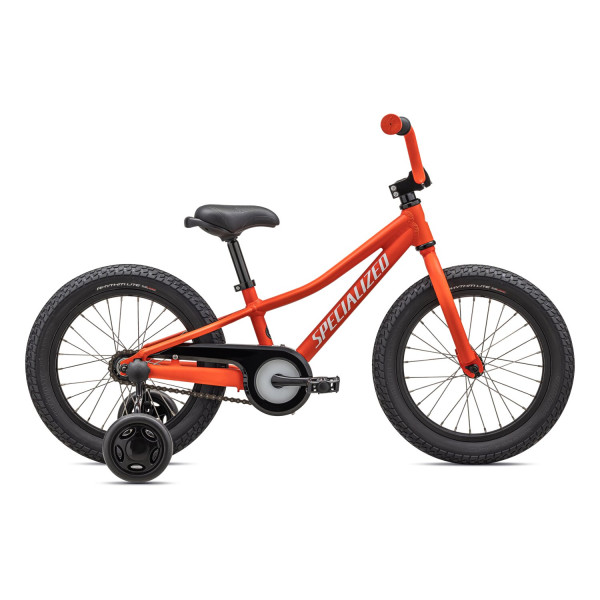


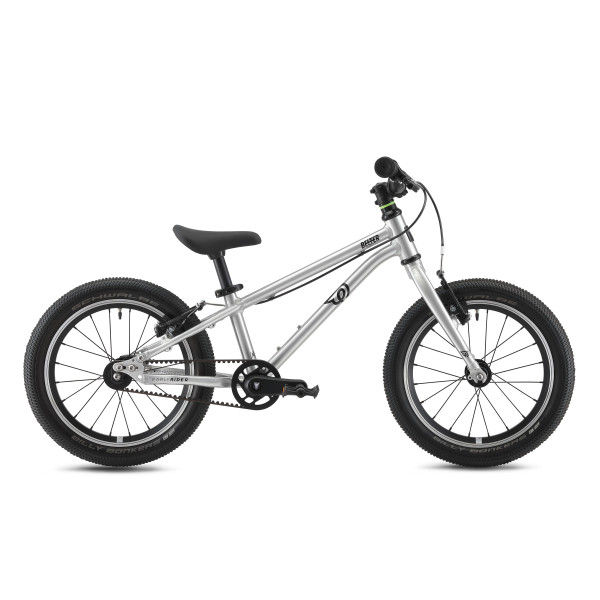
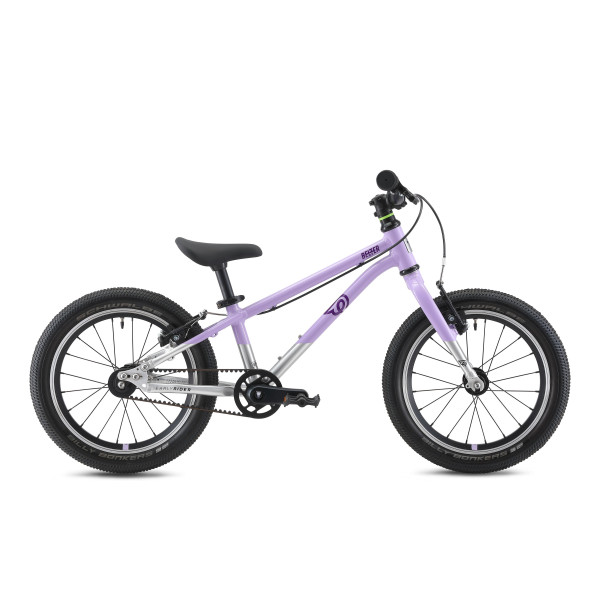
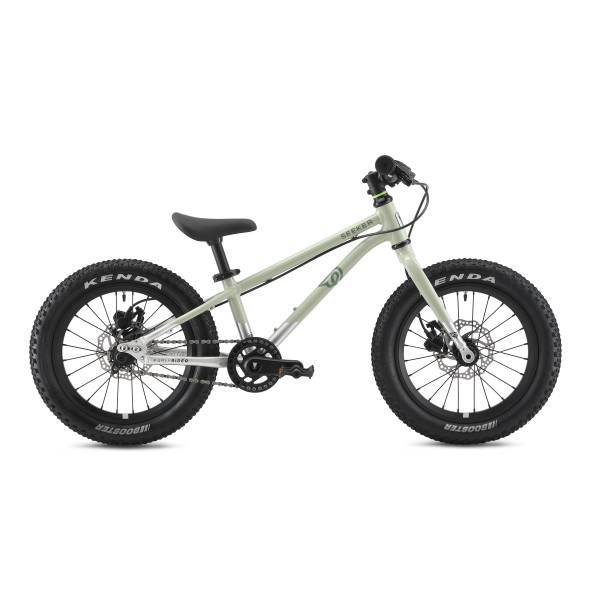
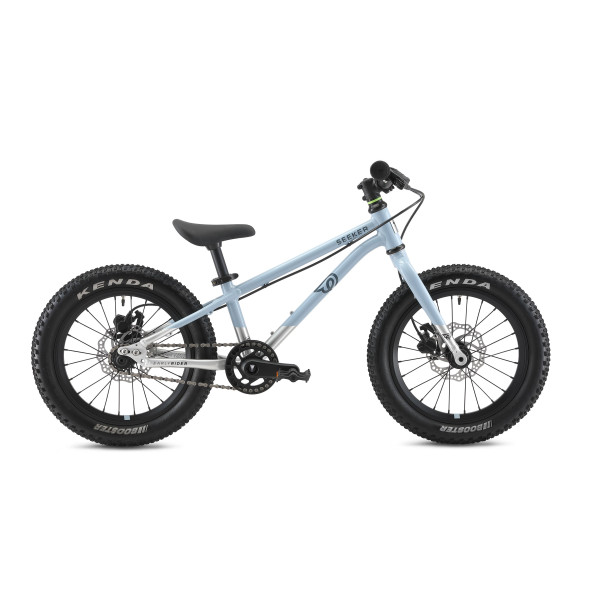
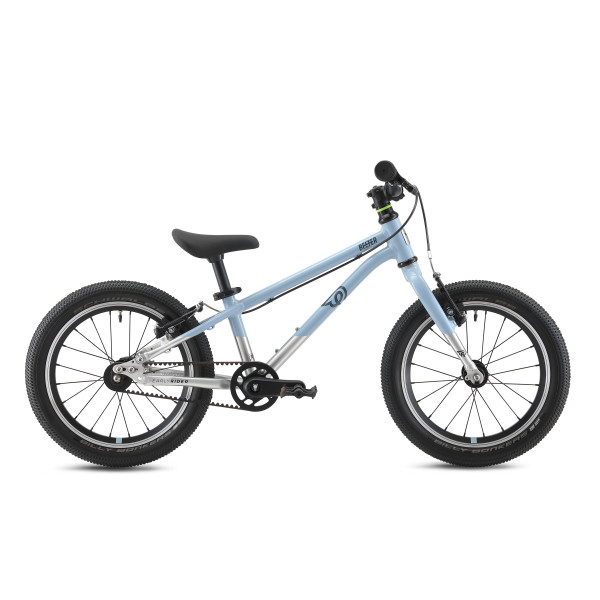
Related Categories
16-inch kids' bikes – who are they suitable for?
A 16-inch bike is often chosen for children from around 3–4 years old, when they can already maintain their balance and are ready to ride more independently. Bikes of this size are generally suitable for children aged 3.5–6, but age is only a guide – the child's height and the sizing recommendations for the specific model are more important.
How to choose the right 16-inch bike?
When choosing a 16-inch kids' bike, the child should be able to comfortably reach the handlebars and brake levers, control the bike easily and stop confidently. Avoid buying a bike that is too large simply so that it will last longer – an oversized bike is more difficult for a child to control.
Why is bike weight important?
A lighter bike is easier for a child to get moving, control through turns and lift. A difference of several kilograms can be particularly noticeable for younger children, so it is worth comparing not only the components of different 16-inch models but also their weight.
If the child is still learning to balance, consider balance bikes. If a 16-inch model has become too small, the next step is usually a 20-inch kids' bike.
It can be, but age alone is not enough to determine the right size. Consider the child's height, inseam length and the manufacturer's recommended height range for the specific bike. The child should be able to control the bike comfortably and stop safely.
Not necessarily. Children who have previously ridden a balance bike and already know how to maintain their balance can often learn to ride a pedal bike without training wheels.
It may be time for a larger bike when the adjustment range of the 16-inch model is no longer sufficient, the riding position becomes too cramped or the child has exceeded the manufacturer's recommended height range.