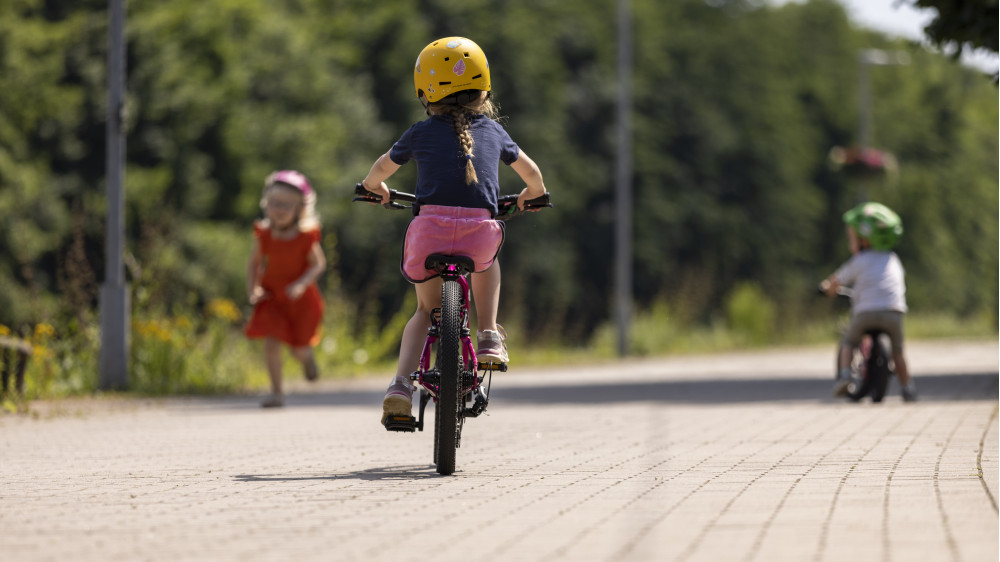
For many of us, childhood is inseparable from the rattling sound of training wheels. It felt like a natural step: first four wheels, then that scary yet exciting moment when a parent finally removed them. But times are changing—and so is our understanding of how children truly learn to ride.
At first glance, training wheels may seem to provide stability, but in reality, the opposite is true. They create a false sense of security while removing the most important element—balance. Instead of learning to control their body weight, children simply rely on a metal structure that can even become unstable and unsafe when turning.
Modern learning methods turn the traditional approach upside down. Instead of forcing a child to pedal and steer right away, the focus shifts to balance first. Once a child understands how to control the bike’s weight and maintain balance, pedaling becomes a natural and easy addition. The result? Children learn to ride independently much faster, without stress and with strong confidence.
Why training wheels actually slow progress
Many parents see training wheels as a safe “first step.” However, the truth is they teach children to ride something closer to a tricycle, not a real bicycle. This misconception leads to learning key skills in the wrong order.
Here are 3 reasons why this “help” becomes a barrier:
-
Balance is more important than pedaling
Many parents focus on pedaling, but in reality, pedaling is easy to learn—it takes just moments. Controlling the bike’s balance, however, is the real challenge. Training wheels interfere with this process by artificially keeping the bike upright, preventing the child from ever experiencing true balance.
A completely different experience comes with a balance bike. Here, the child becomes fully in control of their movement, intuitively learning how weight shifts affect the bike and how to correct it. This is not just learning—it’s developing natural body instincts. Once a child confidently glides while balancing, adding pedals becomes effortless. Balance gives control and safety, while pedaling simply adds speed.
-
False safety often turns into fear
Training wheels create an illusion of stability that disappears the moment they are removed. A child who has “ridden” for years with support suddenly feels like they are starting from scratch, which can lead to stress and frustration.
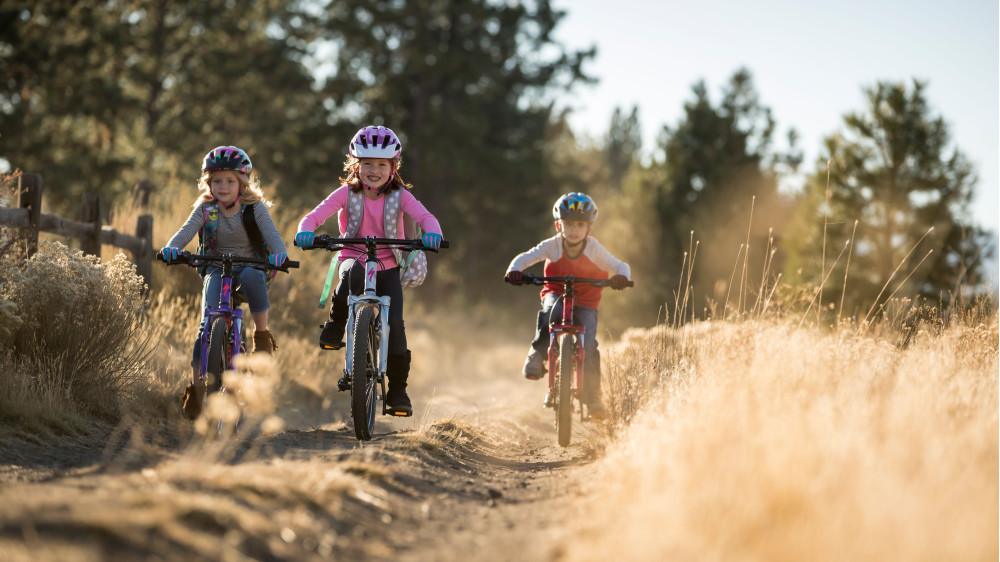
Children who start with balance bikes usually learn to ride independently much earlier (often at age 3–4), while their peers with training wheels may still feel afraid to ride without assistance at age 7.
-
Incorrect turning habits
Have you noticed how a child with training wheels makes a turn? They simply steer the handlebar. In real cycling, however, turning involves leaning the bike. Since training wheels prevent this natural movement, children develop incorrect habits. Even worse, on uneven surfaces, the extra wheels can lift the main wheel off the ground, reducing traction and increasing the risk of falling.
The most effective alternative: balance bike (ages 2–5)
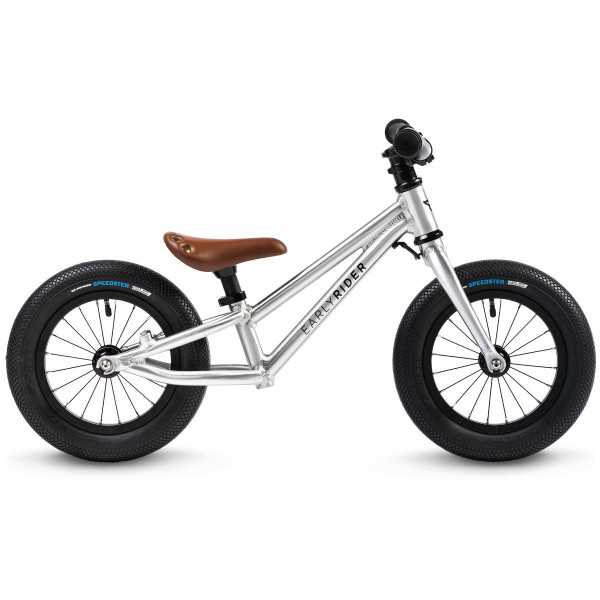
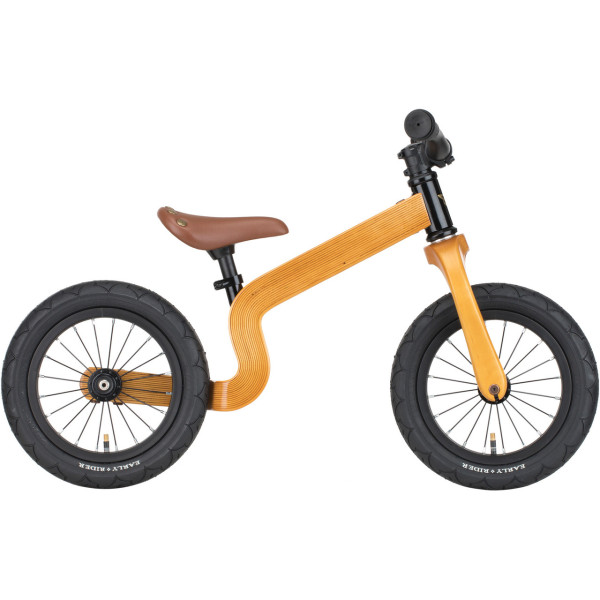
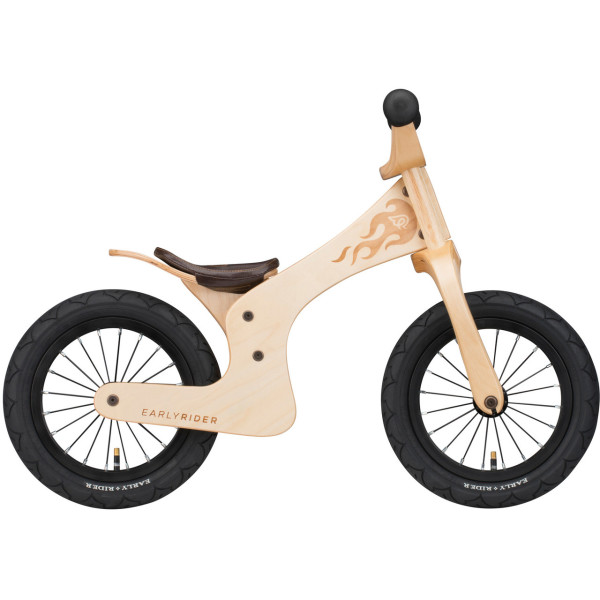
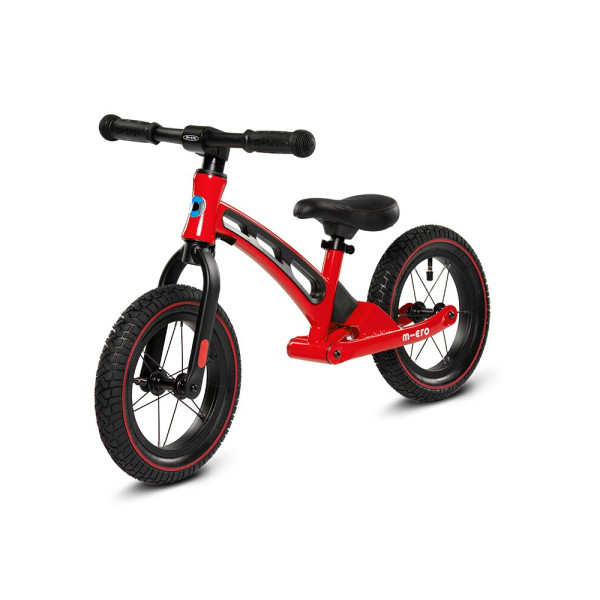
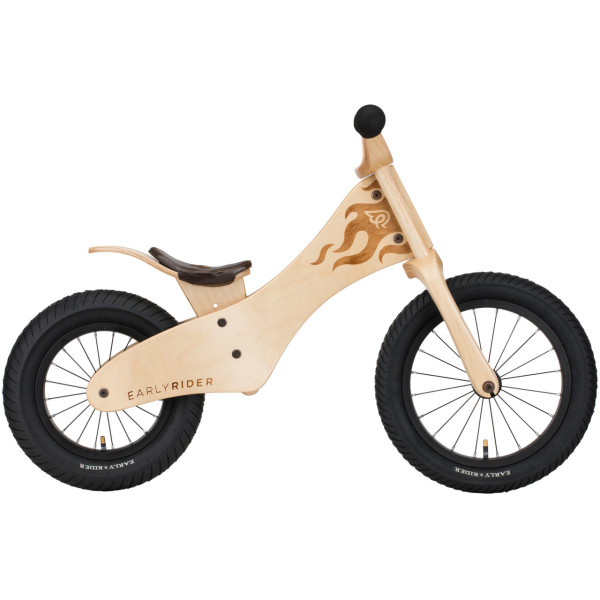
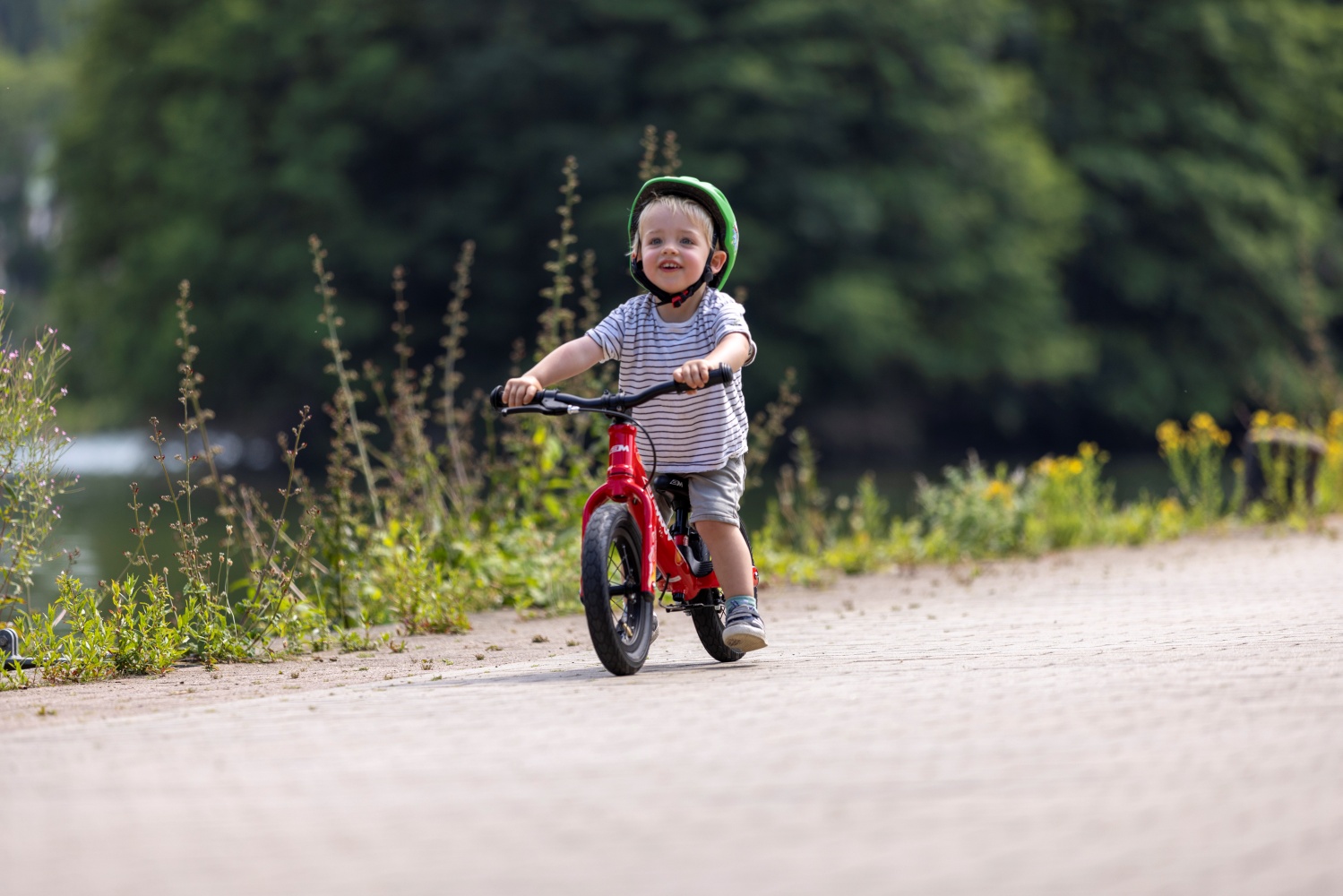
If you're looking for the fastest way to help your child succeed, a balance bike is the answer. This isn’t just a trend—it’s a real revolution in how children learn to ride. With no pedals and a low frame, these bikes allow even very young children (from around 18 months) to feel stable and confident with both feet on the ground.
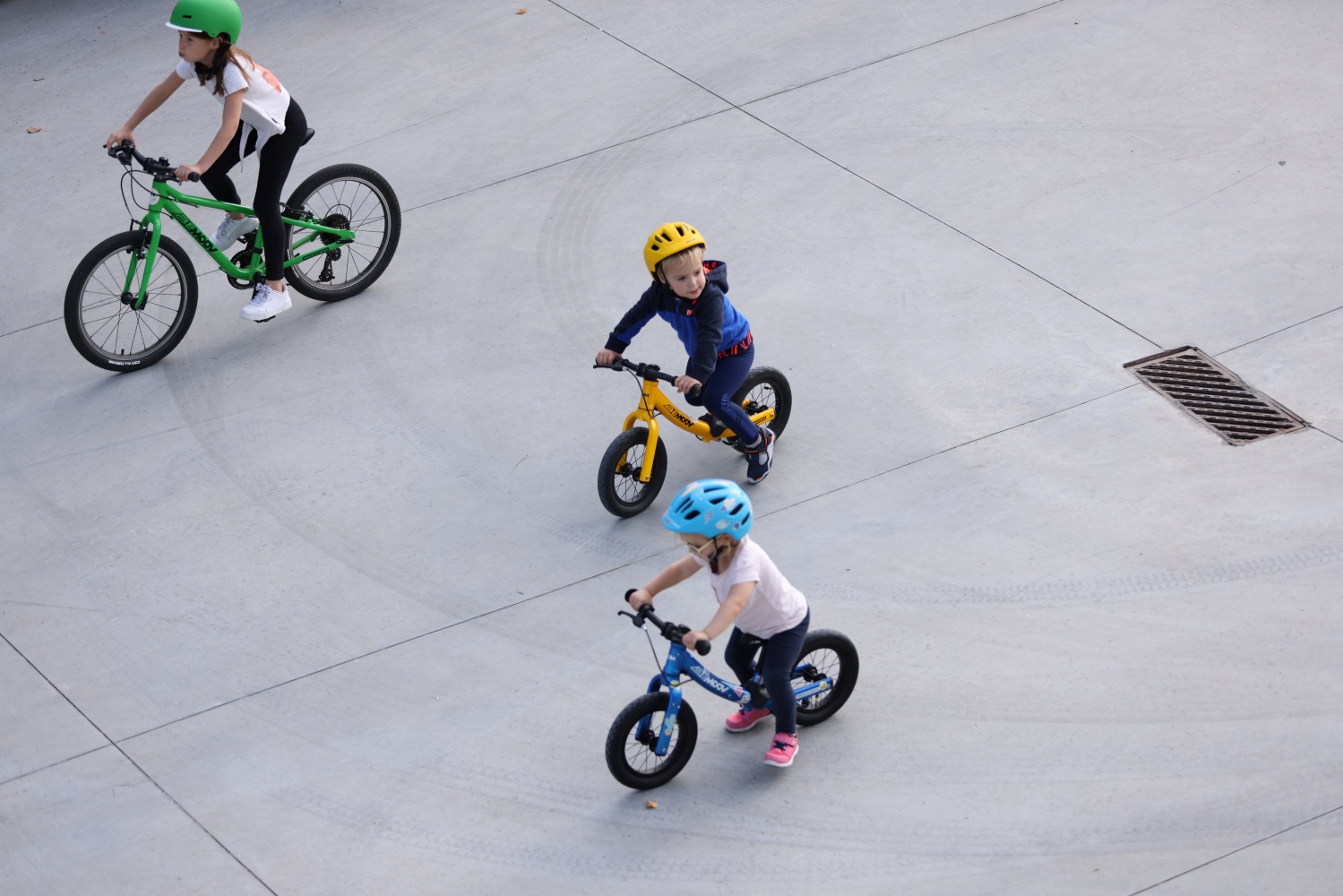
The learning process happens naturally: the child pushes off, gains speed, and gradually lifts their feet while maintaining balance. This builds true control and coordination without fear. Instead of fighting the bike, the child becomes one with it.
Statistics clearly support this method: children who learn on balance bikes transition to pedal bikes without training wheels. Often, they achieve this up to two years earlier than their peers, because they already have the most important skill—confidence.
What if your child is older? (ages 4–7)
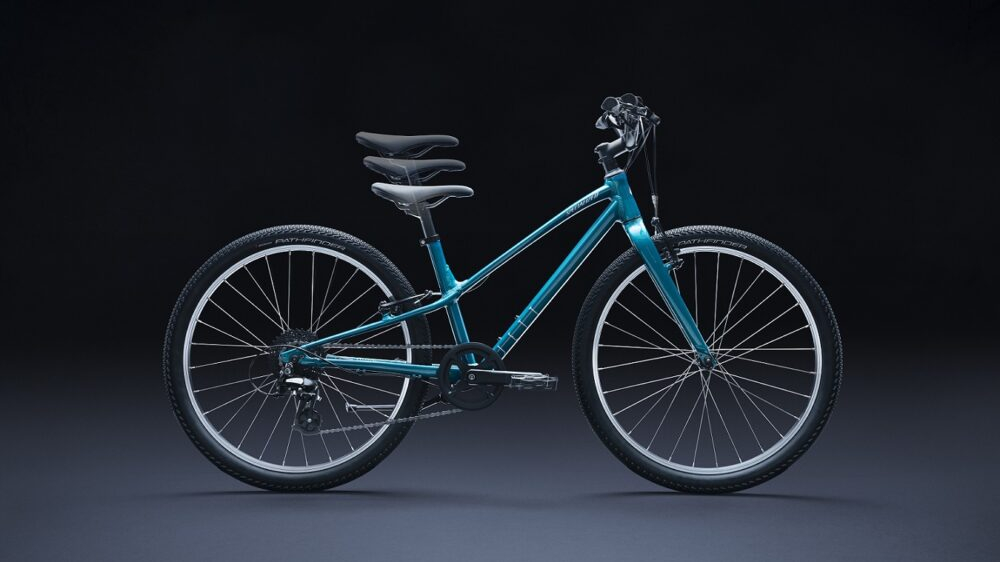
If your child is already five or six and hasn’t used a balance bike—don’t worry. There’s no need to go back to training wheels. You can easily turn a standard kids’ bike into a perfect learning tool in just a few minutes:
- Remove the pedals: Yes, simply take them off. This removes pressure and allows the child to focus purely on balance.
- Lower the saddle: Make sure the child can place both feet flat on the ground. This builds confidence and reduces fear.
- Practice balancing: Encourage the child to push off and glide. Once they can coast confidently and handle turns, it’s time to reinstall the pedals.
In practice, many older children learn to ride in just one or two days on a flat surface.
When is a child ready to ride independently?
Many parents ask what age is best to remove training wheels or introduce pedals. Most children are ready between ages 4–6, but it’s more important to look for these signs:
- Maintains balance: the child can glide with feet off the ground for several seconds
- Controls steering: can make smooth turns without instability
- Shows interest: wants to try riding independently without fear
The key is not to rush the process. Let the child enjoy the experience. Once they feel that moment of control—when the bike responds to their body—confidence replaces fear instantly.
Are training wheels ever useful?
Although experts generally advise against them, in certain situations they may serve as a short-term solution:
- Very cautious children: if a child has a strong fear of falling, temporary use of training wheels may help overcome the emotional barrier—but only for a short time.
- Delayed motor development: some children need more time to develop coordination and balance, and training wheels can help them get used to pedaling while balance develops gradually.
- Parental peace of mind: some families prefer a gradual approach. If used, think in terms of weeks—not months.
Conclusion
Children don’t need training wheels to learn how to ride a bike. In fact, most learn faster and more confidently when they focus on balance first—whether using a balance bike or a regular bike with pedals temporarily removed.
Every child is different. If training wheels help reduce fear or provide initial comfort, they can be used briefly. However, the ultimate goal should always be independent balance. When learning stays fun and pressure-free, children gain not only the ability to ride, but also lasting confidence.

 Gifts
Gifts Discounts