How to Choose the Right Cycling Jersey
Cycling jerseys may look similar at first glance, but the differences become clear once you're on the bike. Some offer a close, aerodynamic fit, while others allow more freedom of movement. Different fabrics are also designed for everything from hot summer rides to cooler conditions. In this guide, we'll explain how to choose the right cycling jersey size, fit and fabric for your riding style.
Why Should You Try On a Cycling Jersey in Your Riding Position?
Cycling jerseys are designed around your position on the bike. That's why they often have a shorter front and a longer back than regular sports tops. This cut helps the jersey sit comfortably when you're leaning forward over the handlebars.
When trying on a jersey, lean forward slightly as though you're holding the handlebars. Check that the fabric doesn't pull across your shoulders, restrict your arm movement or ride up too far at the waist. A cycling jersey should feel comfortable in your riding position, even if the front looks slightly short when you're standing upright.
Race Fit, Regular Fit and Relaxed Fit: What's the Difference?
Cycling jersey fits vary between manufacturers. The three most common styles are:
- Race Fit – a close-fitting, performance-oriented cut. These jerseys minimise fabric flapping at higher speeds and are often chosen for intensive road cycling training and racing.
- Regular Fit – a moderately fitted cut that offers more comfort for riders who don't want an extremely tight jersey. It's a versatile choice for training and recreational rides.
- Relaxed Fit – a looser cut that provides greater freedom of movement. These jerseys can be comfortable for leisurely rides, cycling trips and MTB trails.
These fit descriptions aren't standardised across brands. One manufacturer's Regular Fit may be similar to another brand's more performance-oriented cut. Always check the individual product description and size chart before buying.
How to Choose the Right Cycling Jersey Size
One common mistake is choosing the same size you normally wear in everyday clothing. Cycling jersey sizing and fit can vary not only between manufacturers but also between collections from the same brand.
Before buying, measure your chest and, if required by the size chart, your waist. Compare your measurements with the recommendations for the specific jersey. If you're between sizes, consider your preferred fit and any sizing advice provided by the manufacturer.
Also check the sleeve length and fit. Sleeves that are too tight may put pressure on your upper arms, while loose sleeves can wrinkle or ride up. The right cycling jersey should fit comfortably without restricting movement.
Which Cycling Jersey Fabric Should You Choose?
Fabric plays an important role in comfort, especially during warm-weather rides or intense efforts. Most cycling jerseys are made from technical synthetic fabrics, while some models use merino wool or merino blends.
Technical synthetic fabrics, such as polyester and polyamide, generally dry quickly and help wick moisture away from the skin. Fabrics containing elastane provide stretch and help maintain a close fit. Summer cycling jerseys often feature lightweight materials and additional ventilation panels.
Merino wool and merino blends offer temperature-regulating properties and can stay fresher for longer thanks to their natural resistance to odour build-up. These fabrics can be comfortable on longer rides or in changeable weather. However, their warmth and drying performance depend on the specific fabric composition and weight.
Short-Sleeve or Long-Sleeve Cycling Jersey?
Choose your sleeve length based on temperature, wind and riding intensity. Short-sleeve cycling jerseys are a versatile option for warmer months. On cooler mornings, they can be paired with arm warmers or an additional outer layer.
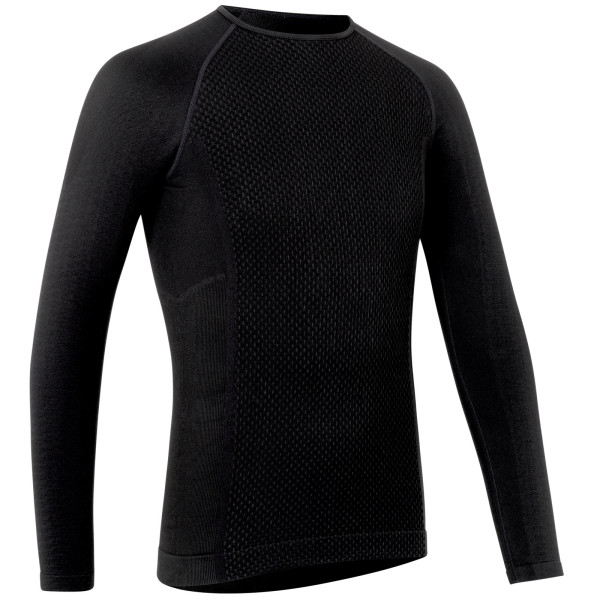
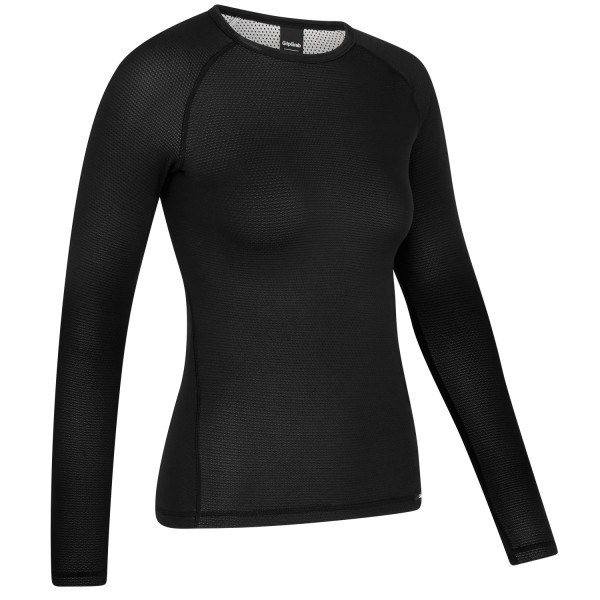
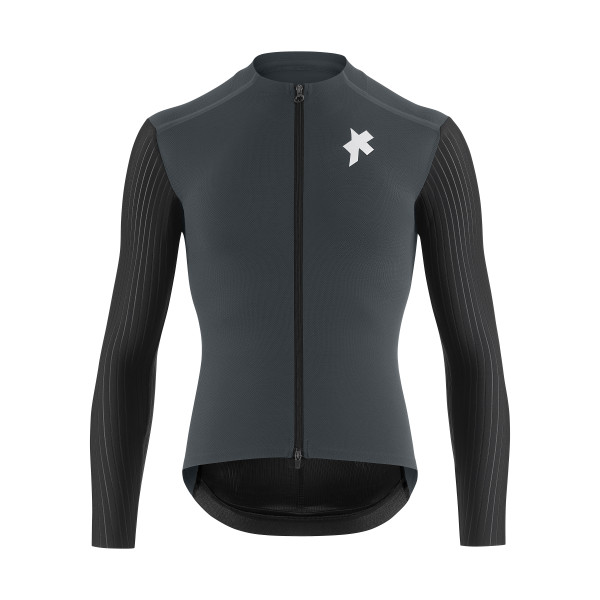
Long-sleeve cycling jerseys range from lightweight designs for transitional seasons to warmer models with insulating inner fabrics. Sleeve length alone doesn't tell you which temperatures a jersey is suitable for, so it's important to consider the material as well.
During an intense ride in cooler weather, a lightweight long-sleeve jersey may be enough. At a slower pace or in stronger winds, you may need an additional protective layer. Avoid overdressing, as damp clothing can quickly feel cold when you stop after sweating.
Which Cycling Jersey Features Matter Most?
When choosing a cycling jersey, look beyond the fabric and fit to consider its practical features:
- Rear pockets. Provide convenient storage for snacks, your phone and other small essentials. Pocket depth and capacity are especially useful considerations for longer rides.
- Full-length zip. Helps you regulate ventilation while riding, particularly on climbs or when temperatures change.
- Silicone hem gripper. Helps keep the bottom of the jersey in place.
- Seam placement. Well-designed seams can reduce friction and improve comfort.
- Reflective details. Improve visibility in low-light conditions but do not replace bicycle lights.
Not every rider needs all these features. Focus on the details that matter most for your usual routes and riding habits.
How to Wash and Care for a Cycling Jersey
Proper care helps preserve the fabric's stretch, colours and technical properties. After an intense ride, avoid leaving a damp jersey in a closed bag for long periods. Before washing, close the zips, turn the jersey inside out and follow the manufacturer's care label.
Technical fabrics generally benefit from a mild detergent and low washing temperatures. Avoid fabric softeners and high drying temperatures unless the manufacturer advises otherwise. Merino wool jerseys may require a gentler wash cycle or specialist care products.
Choose a Cycling Jersey That Suits Your Riding Style
If you ride competitively or train intensively, look for a close-fitting jersey that doesn't restrict movement. If you prefer long, relaxed rides, prioritise overall comfort, useful pockets and fabrics suited to changing weather conditions.
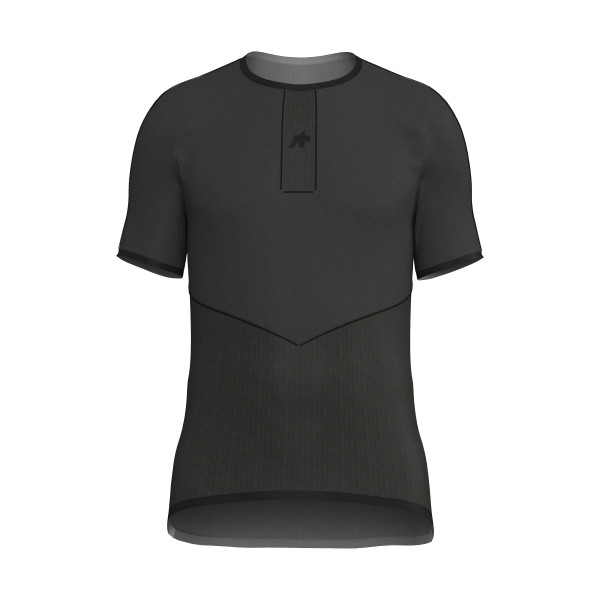
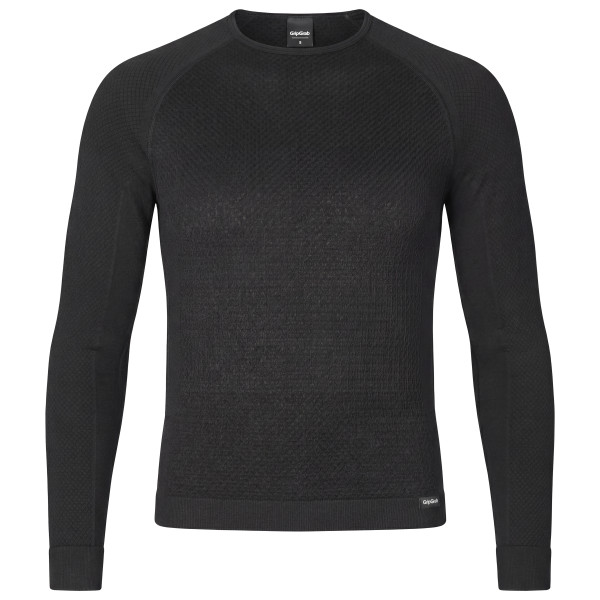
At VELONOVA, you'll find cycling jerseys from ASSOS, GripGrab, Bioracer and Specialized. These brands offer different fits and designs, so it's worth considering how each jersey suits your needs rather than choosing solely by brand or price.
Explore our range of cycling jerseys and find the right fit for your riding style.

 Gifts
Gifts Discounts



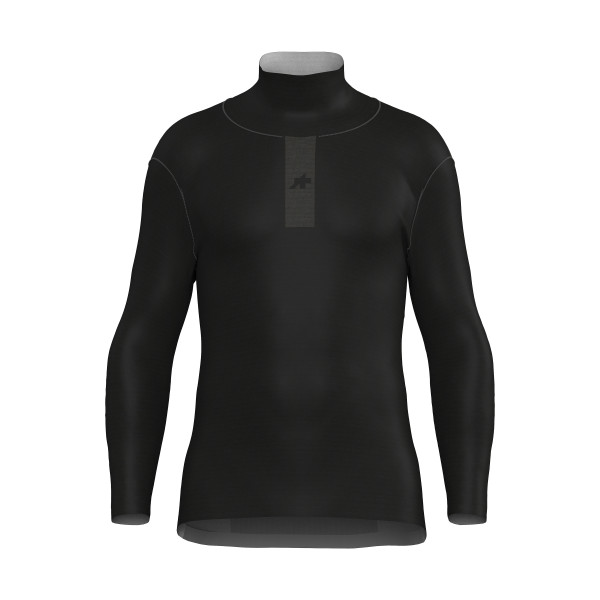
-600x600.jpg "GripGrab RIDE Thermal Long Sleeve Base Layer | Black")