Updated: 2026-10-13
A bicycle helmet is designed to reduce the risk of head injury in a fall or collision. Although many helmets look similar at first glance, their construction, materials and additional protection technologies can vary.
One of the best-known modern helmet technologies is Mips. To understand how it works, it helps to first look at the difference between direct and angled impacts.
Linear and rotational impacts – what's the difference?
When you fall off a bike, your head can strike the ground or another obstacle at different angles. The direction of the impact affects the forces acting on your head.
- Linear impact. The head experiences a sudden change in speed. The impact-absorbing foam liner inside the helmet helps reduce these forces by deforming and absorbing some of the impact energy.
- Rotational motion. When the head strikes a surface at an angle, it may not only slow down suddenly but also rotate. This movement can place additional strain on brain tissue.
In real-world falls, linear and rotational forces often occur together. That's why helmet development considers both the ability to absorb direct impact energy and ways to reduce rotational motion transmitted to the head.
It's important to remember that no helmet can completely prevent head or brain injuries. Its purpose is to reduce the risk of injury in certain types of impact.
What is Mips and how does it work?
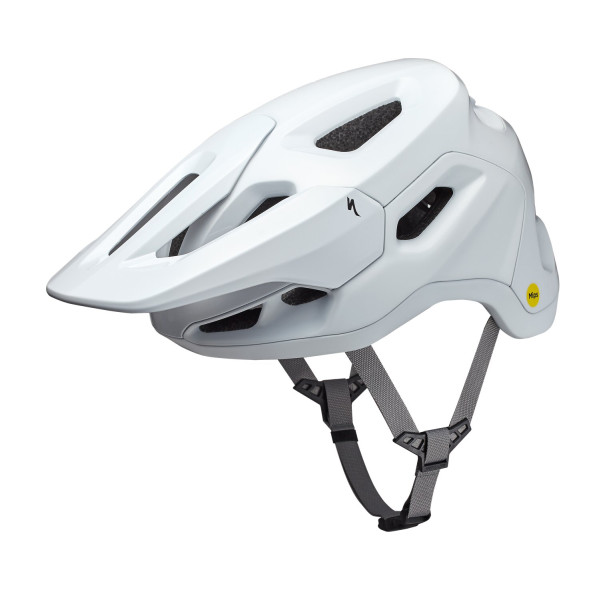
Mips (Multi-directional Impact Protection System) is a helmet protection technology designed to reduce rotational motion transmitted to the head during certain angled impacts.
Its development began in Sweden, where researchers studied how the head and brain respond to impacts. The underlying idea is to allow limited movement between parts of the helmet's construction, helping to reduce rotational forces transferred to the head during an angled impact.
Many Mips-equipped helmets feature a low-friction layer. During certain angled impacts, it allows approximately 10–15 mm of relative movement between the helmet and the head. This small movement is intended to reduce rotational motion transmitted to the head.
Mips is not a separate type of helmet or a material that replaces the traditional impact-absorbing liner. It is an additional technology integrated into the helmet's construction, and its implementation can vary between models.
It's also important to understand that Mips does not guarantee protection against concussion or other injuries. A helmet's overall protective performance depends on its complete construction, correct size, fit and the circumstances of an impact.
Is a helmet with Mips always better?
Mips can be a useful additional protective feature, but its presence alone does not mean that a particular helmet will perform better than another model in every situation.
Different helmets offer different protective characteristics depending on their construction, and Mips is just one of several technologies designed to reduce rotational forces. When comparing models, it's worth considering the helmet as a whole rather than focusing on a single feature.
It's equally important that the helmet meets the relevant safety requirements for its intended use and fits your head correctly. Even advanced technology cannot compensate for the wrong size or poorly adjusted straps.
How do bicycle helmet designs differ?
Most conventional bicycle helmets consist of an impact-absorbing foam liner and an outer shell. However, helmets designed for different types of riding can vary in ventilation, head coverage, weight and additional features.
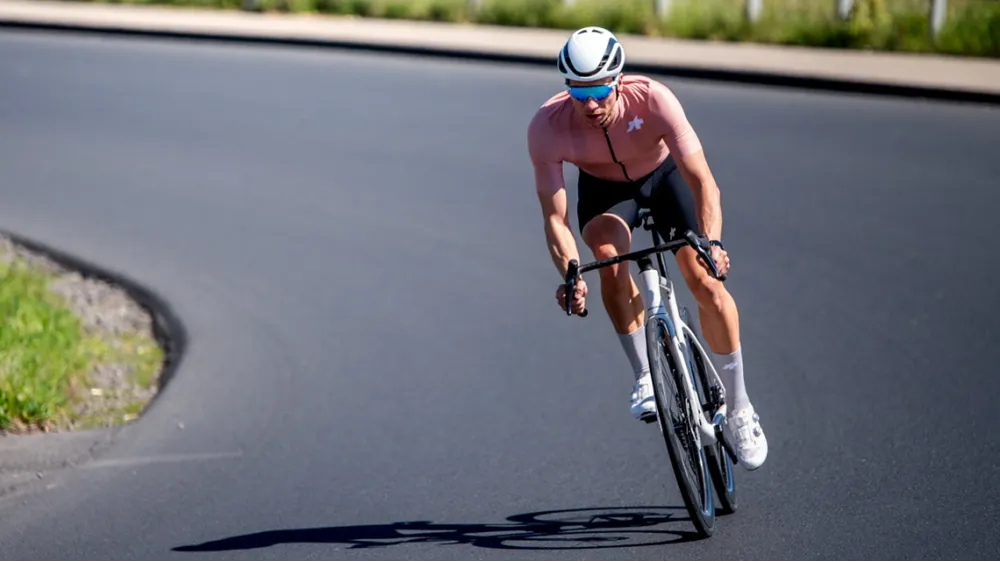
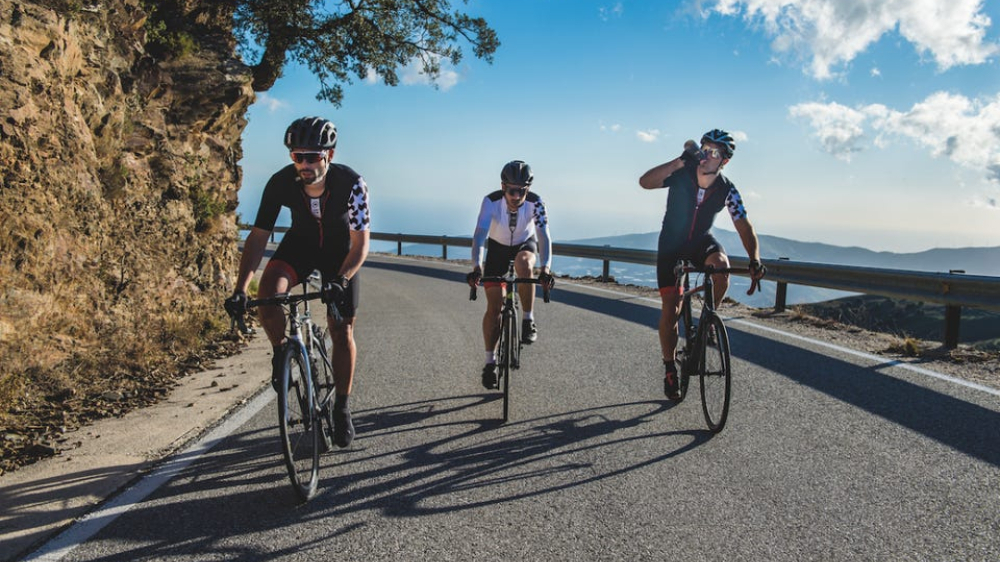
For example, MTB helmets often have a visor and provide greater coverage at the back of the head, while road cycling helmets tend to place more emphasis on ventilation, low weight and aerodynamics. Helmets with chin protection are used in some more demanding off-road disciplines.
These differences go beyond appearance. A helmet's construction should suit its intended use, and the suitability of a particular model should be assessed according to the manufacturer's stated purpose and certification.
What should you know about helmet safety standards?
When choosing a bicycle helmet, check that it meets the safety requirements applicable to its intended use. In Europe, conventional bicycle helmets are covered by the EN 1078 standard, which includes tests for impact absorption, retention systems and other requirements.
However, certification does not mean that a helmet can prevent every injury. Standards define specific testing requirements, while real-world crashes can occur under very different conditions.
Not all helmets are suitable for every sport, either. For example, more demanding mountain biking disciplines with a higher risk of falls may require specialised helmet construction and additional certification requirements.
When can helmet technology fall short?
Even a high-quality helmet that meets the relevant safety requirements may not perform as intended if it is worn incorrectly or has been damaged.
- Incorrect size. A helmet that is too loose may shift during a fall, while one that is too tight can be uncomfortable and may not be worn correctly.
- Poorly adjusted straps. The helmet should sit securely on your head, with the chin strap properly fastened.
- Damaged construction. After a significant impact, the energy-absorbing liner may be damaged even when there are no visible cracks on the outside.
- Unsuitable use. A helmet should only be used for activities specified by the manufacturer.
If a helmet has sustained a significant impact, it generally needs to be replaced in accordance with the manufacturer's recommendations. Regularly inspect the retention system, straps and overall condition.
How do you choose a reliable bicycle helmet?
Start by making sure the helmet is designed for your type of riding, meets the applicable safety requirements and fits correctly. You can then compare additional technologies, ventilation, weight and adjustment features.
At Velonova, you'll find helmets from various manufacturers, including Specialized, Abus and Micro. Individual models may use different constructions and additional protection systems, so choose according to the features of the specific helmet rather than the brand name alone.
To compare models by riding style, size and technology, explore the bicycle helmets at Velonova.

 Gifts
Gifts Discounts