Updated 2026-09-27
Cycling shoes are designed to keep your foot more stable on the pedal, provide proper support and help transfer power efficiently while pedalling. Compared with regular sports shoes, they usually differ in sole construction, stiffness and compatibility with specific pedal systems.
There is no single model that suits every rider. Road, MTB, gravel, triathlon and casual cycling shoes are designed for different needs. When choosing, consider not only the type of bike you ride, but also your pedals, sole stiffness, shoe fit, size and how much walking you expect to do during your rides. In this guide, we explain how to choose cycling shoes based on your riding needs.
Which cycling shoes should you choose for your riding style?
The easiest way to start is by considering where and what type of bike you ride most often. You can find the full selection in our cycling shoes category, while different disciplines benefit from models designed for their specific riding conditions.
Road cycling shoes
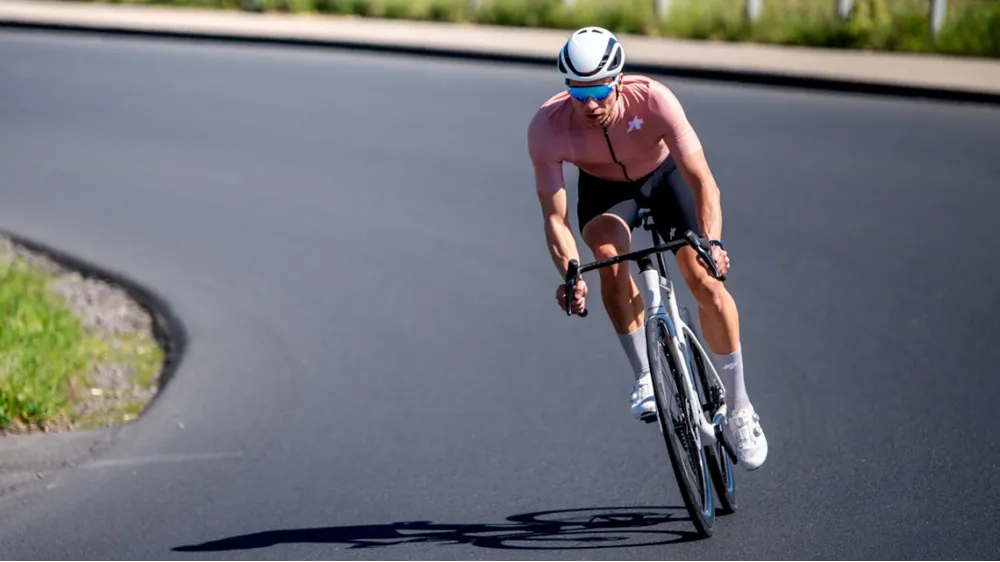
Road cycling shoes are designed for efficient pedalling on asphalt. Their soles are usually smooth and stiff, so they flex less while pedalling. Performance-oriented models often use composite or carbon fibre soles, but maximum stiffness is not necessary for every cyclist – proper fit and comfort are also important, especially on longer rides.
Road cycling shoes most commonly use a three-bolt cleat mounting system designed for road pedal systems. Because the cleat protrudes from the sole and the sole itself is relatively smooth, they are usually less comfortable for walking than MTB or gravel shoes.
MTB shoes
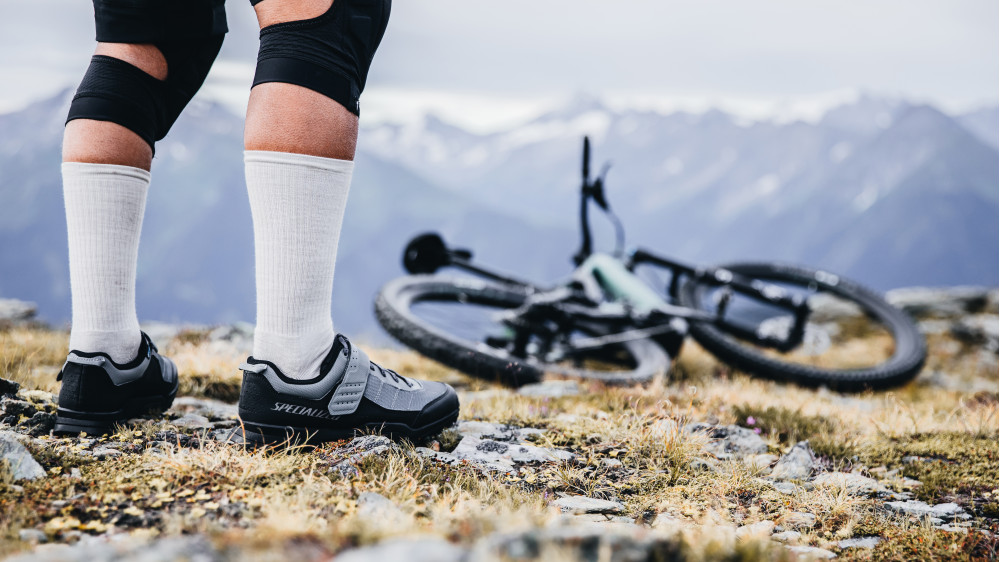
MTB shoes, also known as mountain bike shoes, are designed for forest trails, technical terrain and uneven surfaces. Their soles usually feature tread that provides extra grip when you get off the bike.
Clipless MTB shoes most commonly use a two-bolt cleat mounting system, such as Shimano SPD. The cleat is usually more recessed into the sole than on road cycling shoes, making them more practical for walking. MTB shoes are also available for flat pedals – their soles are designed to grip the pedal surface and pins securely.
Gravel shoes
Gravel shoes are designed for gravel roads, forest roads and mixed surfaces. Their construction is often similar to MTB shoes: many models use a two-bolt cleat system and feature tread, making them practical both for pedalling and walking.
There is no strict boundary between MTB and gravel shoes. Some models work well for both disciplines, so it is worth considering not only the category name, but also sole stiffness, tread, pedal system and how often you need to get off the bike.
Triathlon shoes
Triathlon shoes are similar in construction to road cycling shoes, but they are adapted for quick transitions and efficient pedalling during triathlon training and racing. They often feature quickly adjustable closure systems and other design details that make them easier to put on or remove in the transition area.
Casual cycling shoes
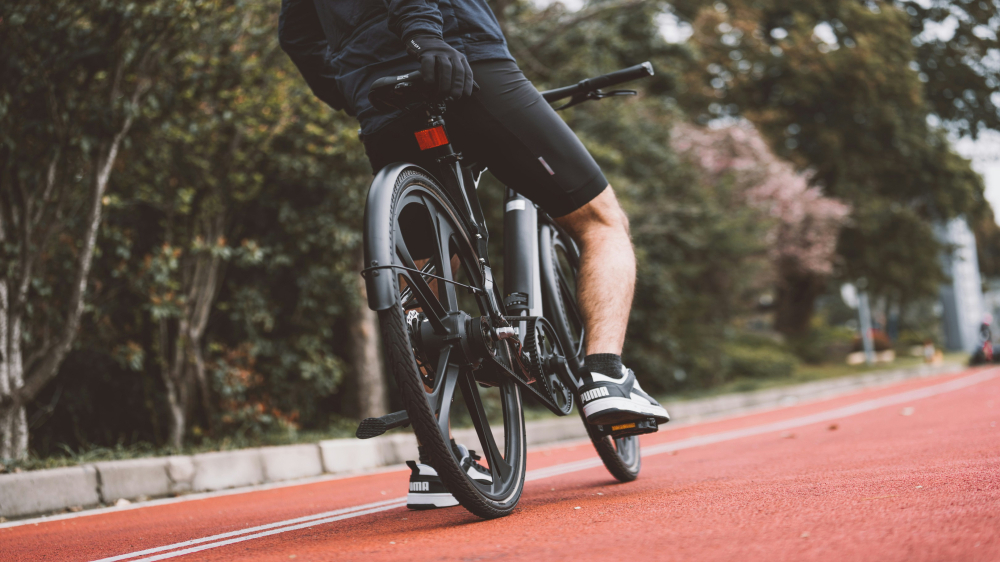
Casual cycling shoes are suitable for everyday commuting, city riding and rides that involve plenty of walking. They often look similar to regular sports shoes, but their soles are designed to provide more stable contact with the pedal. They are a practical choice for commuting, short trips or situations where you do not want to change shoes after getting off the bike.
Winter cycling shoes
Winter cycling shoes provide more thermal insulation and a more enclosed construction, making them better suited for cold, windy or wet conditions. They can be designed for MTB, gravel or road pedal systems. It is important to note that not all winter models are completely waterproof – the level of water protection depends on the materials and construction of the specific shoe.
Clipless or flat pedal shoes?
One of the most important decisions is whether you want your shoes to attach to the pedals. Clipless pedals allow a cleat mounted to the shoe to lock into the pedal. This system helps keep the foot in a stable position and is widely used in road, MTB and gravel cycling.
Shoes designed for flat pedals do not attach mechanically to the pedal. Their soles are designed to grip the pedal surface securely. This setup is popular in MTB, casual and city riding, especially when it is important to move your foot quickly and freely away from the pedal.
If you are new to clipless pedals, it is worth practising in a safe environment and learning to unclip before coming to a stop.
Pedal systems: what should you know before buying cycling shoes?
Cycling shoes and pedals need to be compatible through the cleat, so before buying it is important to know which pedal system you use or plan to use.
- Two-bolt systems are most commonly used with MTB and gravel shoes. Shimano SPD is one of the best-known examples.
- Three-bolt systems are typical of road cycling shoes and are used with corresponding road pedal systems, such as Shimano SPD-SL, SPD-SLR and other compatible systems.
- Flat pedals do not require cleats – the main factor is grip between the shoe sole and the pedal surface.
Cleats are usually supplied with pedals rather than with shoes, so it is worth checking the compatibility of the specific shoes, pedals and cleats before ordering.
The position of the cleats on the shoe is also important. If you are unsure how to install and adjust them correctly, Velonova offers a cleat fitting service. Correct cleat positioning helps keep the foot stable while pedalling and makes clipless pedals more comfortable to use.
How stiff should the sole be?
A stiffer sole flexes less while pedalling and provides firmer support for the foot. This is why performance-oriented road, XC MTB and gravel models often use stiffer composite or carbon fibre soles.
However, the stiffest sole is not necessarily the best choice for every cyclist. If you walk frequently, go on long trips or value comfort more than maximum performance feel, a slightly more flexible sole may be more practical.
A simple rule of thumb: for more performance-oriented riding, choose a stiffer sole; for more versatile riding and frequent walking, choose a more flexible one.
BOA, straps or laces?
Cycling shoes use different closure systems. None is universally best – the most important thing is that the shoe holds the foot evenly and comfortably.
- BOA dials allow quick and precise adjustment of the fit. Depending on the specific BOA system, they can also be convenient to fine-tune while riding.
- Straps are simple and easy to use. They are found on different types of cycling shoes and are especially common on triathlon models.
- Laces distribute tension evenly, but they are less convenient to adjust while riding.
Some models combine several closure systems, so when choosing it is important to consider not only the closure type but also how the specific shoe fits your foot.
How to choose the right cycling shoe size?
A properly fitting cycling shoe should hold the heel and foot securely without causing pressure. There should be enough room for the toes, while the foot should not slide around inside the shoe while pedalling.
Your usual everyday shoe size is not enough on its own. Sizing and shoe shape can vary between manufacturers, so before ordering we recommend:
- measuring your foot length;
- considering your foot width;
- checking the specific manufacturer's size chart;
- if possible, trying the shoes on with the socks you normally wear while cycling.
It is not a good idea to automatically choose a much larger size “for extra room”. A shoe that is too large may hold the foot poorly, while one that is too small can cause pressure and discomfort on longer rides.
Foot width and shoe shape – why size alone is not enough
Two feet of the same length can have different widths and shapes, so the same shoe size will not necessarily fit two people equally well. Differences exist not only between manufacturers, but also between different shoe ranges from the same brand.
A shoe that is too narrow may press against the sides of the foot or toes, while one that is too wide may not hold the foot securely enough. That is why it is worth considering not only the number on the box, but also the shape of the specific model and the manufacturer's sizing recommendations.
Is it worth replacing cycling shoe insoles?
The standard insole supplied with the shoes does not always match the anatomy of every foot perfectly. If you want more support or a more precise fit inside the shoe, you can choose cycling shoe insoles with different levels of arch support.
For a more individual assessment of foot support and a solution tailored to the specific characteristics of your feet, you can use Velonova's custom insole service.
However, an insole cannot correct a poorly fitting shoe. If the shoe is too short, too narrow or its shape does not suit your foot, the first step should be to choose a more suitable shoe model and size.
Winter cycling shoes or overshoes?
If you ride regularly in cold weather, dedicated winter cycling shoes provide integrated insulation and better protection from harsh conditions. If you only occasionally ride in cold, windy or rainy weather, cycling overshoes worn over regular cycling shoes can be a practical alternative.
The right choice depends on temperature, precipitation, ride duration and your individual sensitivity to cold. Riders who cycle throughout the year may find it practical to have both winter shoes and lighter overshoes for different conditions.
Common mistakes when choosing cycling shoes
- Choosing shoes without checking the pedal system. An incompatible cleat mounting system may mean the shoes and pedal system simply will not work together.
- Focusing too much on sole stiffness alone. Stiffness matters for performance riding, but proper fit and comfort are just as important.
- Choosing a size that is too large. A bigger shoe is not necessarily more comfortable – the foot may move inside it and the heel may lift.
- Ignoring walking needs. If you often need to get off the bike, an MTB- or gravel-style sole is usually more practical than a road sole.
- Ignoring foot width and shoe shape. The correct length does not automatically mean the shoe shape will suit your foot.
In short: which cycling shoes should you choose?
| Riding type |
Usually suitable choice |
What to consider |
| Road |
Road cycling shoes |
Stiff sole, road pedal system, fit |
| MTB / forest trails |
MTB shoes |
Tread, 2-bolt system or flat pedals |
| Gravel / mixed surfaces |
Gravel or suitable MTB shoes |
Walking comfort, tread, pedal system |
| Triathlon |
Triathlon shoes |
Quick entry, practical closure, road pedal system |
| City / everyday commuting |
Casual cycling shoes |
Walking comfort and pedal grip |
| Cold season |
Winter cycling shoes |
Thermal insulation, wind and moisture protection |
If you are still unsure which cycling shoes to choose, contact Velonova – we will help you find a suitable model based on your bike, pedal system, riding style, foot size and shape.

 Gifts
 Discounts