
 Gifts
Gifts Discounts

Cycling Gloves Guide – How to Choose the Right Pair?
 Vytautas Kaupas
Updated: 2026-10-08
Cycling gloves help you hold the handlebars more comfortably, improve grip and can protect your palms from abrasions in the event of a fall. They're useful in more than just cold weather – in summer, they can reduce friction and make longer rides more comfortable. However, different riding styles and weather conditions call for different types of gloves. How do you choose the right pair?
What types of cycling gloves are available?
Cycling gloves vary in finger length, materials, palm construction and weather protection. When choosing a pair, consider both the season and the type of riding you do most often.
Summer cycling gloves are usually made from lightweight, breathable materials. Fingerless cycling gloves are popular among road cyclists, but thin full-finger gloves are also suitable for summer, particularly on forest trails and gravel roads.
Winter cycling gloves are designed to protect your hands from cold temperatures and wind. Look at insulation, water resistance and how easily you can operate the brakes while wearing them. In particularly cold conditions, lobster-style cycling gloves can be useful. They group some fingers together to help retain warmth.
MTB gloves are often full-finger designs with thinner palms for better handlebar feel. Some models offer additional knuckle protection. A secure fit and reliable grip are especially important on technical mountain bike trails.
Road cycling gloves are available in both fingerless and full-finger designs. Some riders prefer padded palms for longer distances, while others choose thinner gloves for a more direct feel. The key is finding a pair that doesn't create pressure points and remains comfortable in your usual riding position.
Which cycling glove features matter most?
Gel and foam padding. Padding can help distribute pressure across your palms during longer rides. However, thicker padding doesn't automatically mean greater comfort. Some cyclists prefer thinner gloves that provide more direct contact with the handlebars.
Handlebar grip. Grippy palm materials and silicone details can improve your hold on the handlebars, particularly when your hands are sweaty or conditions are wet.
Breathability. In warm weather, gloves should help moisture escape and prevent your hands from overheating. Lightweight, stretchy and breathable fabrics are commonly used for this purpose.
Wind and rain protection. Windproof gloves aren't necessarily waterproof. If you regularly ride in the rain, check the water protection offered by the specific model.
Touchscreen compatibility. Some full-finger cycling gloves allow you to use a smartphone or touchscreen bike computer without taking them off. This is particularly convenient in cooler weather.
How do you choose the right cycling glove size?
Even high-quality cycling gloves can be uncomfortable if they don't fit properly. Gloves that are too large may bunch up in the palm and shift when gripping the handlebars, while gloves that are too small can feel restrictive and limit finger movement.
Before buying, measure your hand circumference and compare it with the manufacturer's size chart. Sizing and glove shape can vary between brands.
If possible, try the gloves on while holding a bicycle handlebar. You should be able to reach the brake levers comfortably, and the palm material shouldn't bunch up or create uncomfortable pressure. Summer gloves should also remain comfortable if your hands swell slightly in hot weather.
Cycling gloves with gel padding or without?
If you ride long distances and experience pressure on your palms, padded cycling gloves may improve comfort. However, if you prefer a direct feel for the handlebars, particularly on technical MTB trails, gloves with thinner palms may suit you better.
Remember that hand comfort depends on more than gloves alone. Your riding position, weight distribution, handlebar grips and ride duration all play an important role. If your hands frequently go numb, thicker padding alone may not solve the problem.
Which cycling glove brands should you consider?
Different brands offer gloves designed for a range of riding styles and seasons.
ASSOS of Switzerland offers performance-oriented cycling gloves with a strong focus on fit, materials and comfort. These features are particularly relevant to road cyclists and riders covering longer distances.
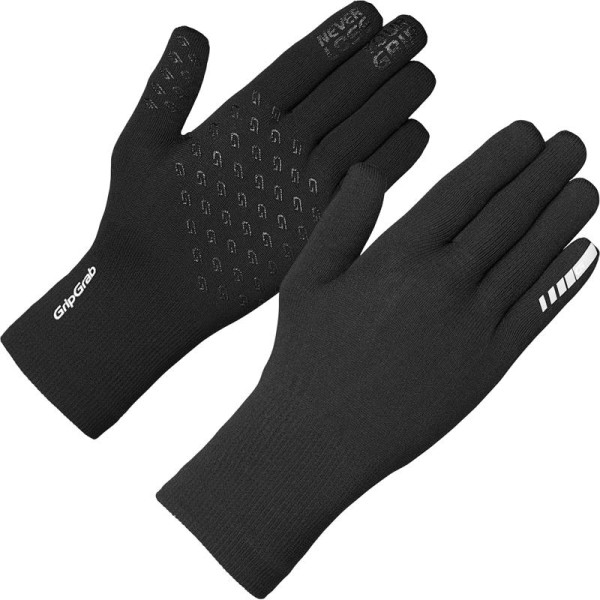
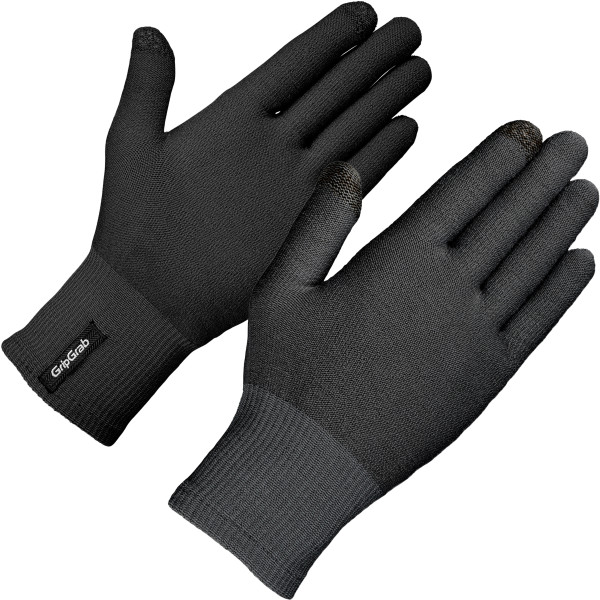
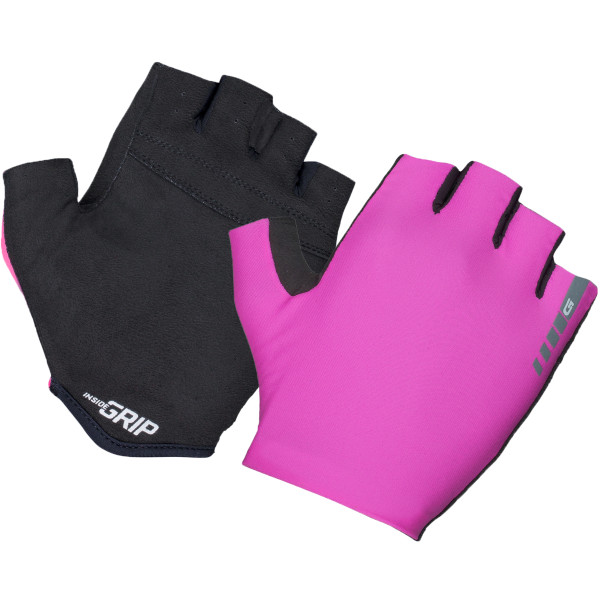
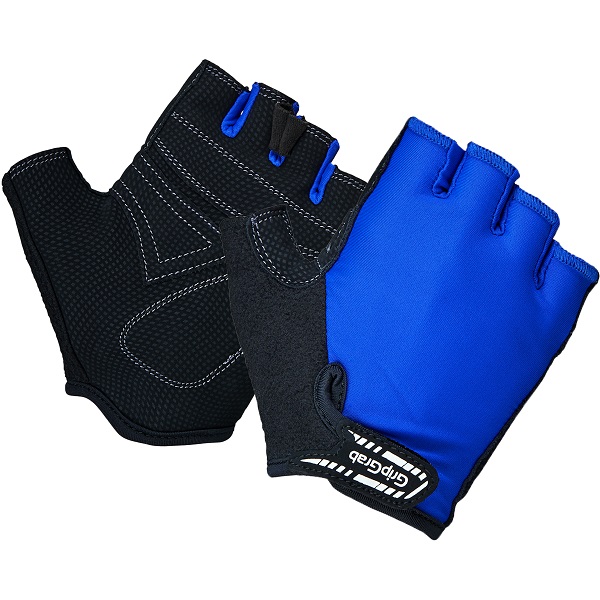
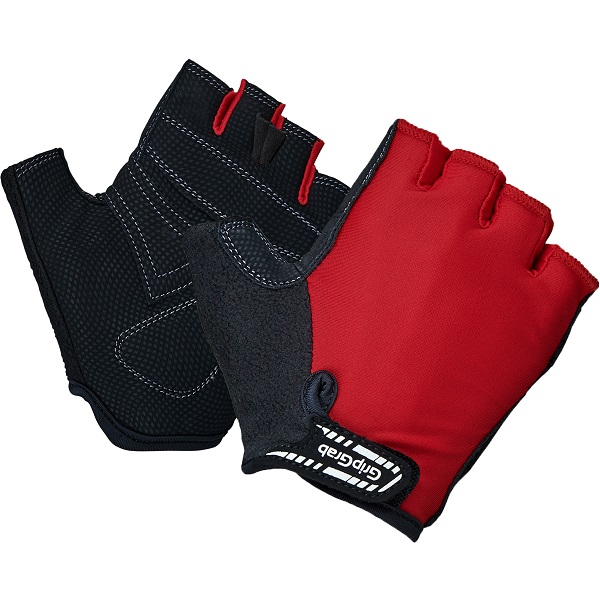
GripGrab offers cycling gloves for different seasons, from lightweight summer models to insulated designs with wind or water protection.
Fist Handwear focuses primarily on MTB and BMX gloves. The brand is known for colourful designs and gloves developed to provide a direct handlebar feel.
When comparing brands, focus first on the intended use, fit and features of each individual model rather than the brand name alone.
How should you care for cycling gloves?
Regular care helps maintain the comfort and performance of your cycling gloves.
Allow your gloves to dry after every ride, especially if they've become damp from sweat or rain. Wash them according to the manufacturer's care instructions, using a suitable mild detergent. Unless the manufacturer advises otherwise, avoid high temperatures, harsh cleaning products and drying gloves directly on a radiator.
Before the next riding season, check the palm fabric, stitching and grip details. If the materials are heavily worn or the gloves no longer provide adequate grip, it's worth replacing them.
How do you find the best cycling gloves for your needs?
Start by considering the weather conditions and terrain you ride in most often. Then compare fit, palm construction, weather protection and additional features. The right gloves should let you hold the handlebars comfortably and operate your bike's controls without restriction.
Explore the VELONOVA range of cycling gloves and choose a pair that suits your riding needs.
Related Products
Related Posts

How to Choose the Right Cycling Jersey?
How do you choose the right cycling shorts, and why is padding important? Learn the differences between bib shorts and regular cycling shorts, how to wear them and how to care for them for more comfortable rides...
How to Choose Cycling Overshoes?
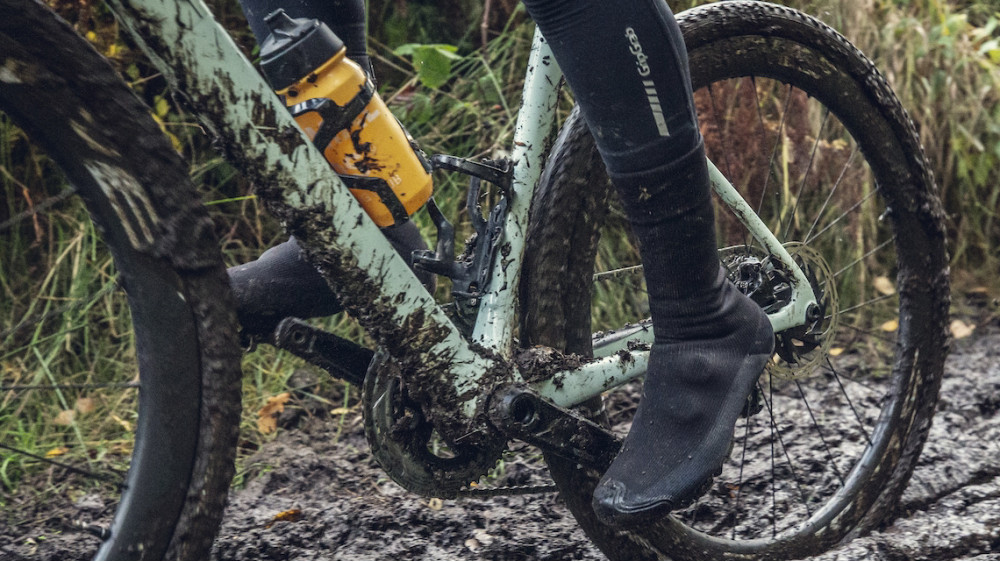
How do you choose cycling overshoes to stay warmer and more comfortable in different weather conditions? In this guide, we explain what to consider when riding in different temperatures, wind and rain, how to choose the right size, and why it is important to match your overshoes to the cycling shoes..
How to Choose and Wear Cycling Shorts Correctly?
How do you choose the right cycling shorts, and why is padding important? Learn the differences between bib shorts and waist shorts, how to wear them correctly, and how to care for them to make every ride more comfortable...

Cycling in winter? Dress smart, not warm
Cycling in winter can be great fun. As long as the temperature is around 0 °C and doesn't drop below -5 °C, you can get on your bike, although enthusiasts ride in colder temperatures. One problem with cycling in winter is how to dress properly? The main thing is that cycling is a very different ther..
Bicycle Helmet Guide: Protection, Mips Technology and Choosing the Right Helmet
How does a bicycle helmet protect your head? Learn about different types of impacts, how Mips technology works and what to look for when choosing a helmet...