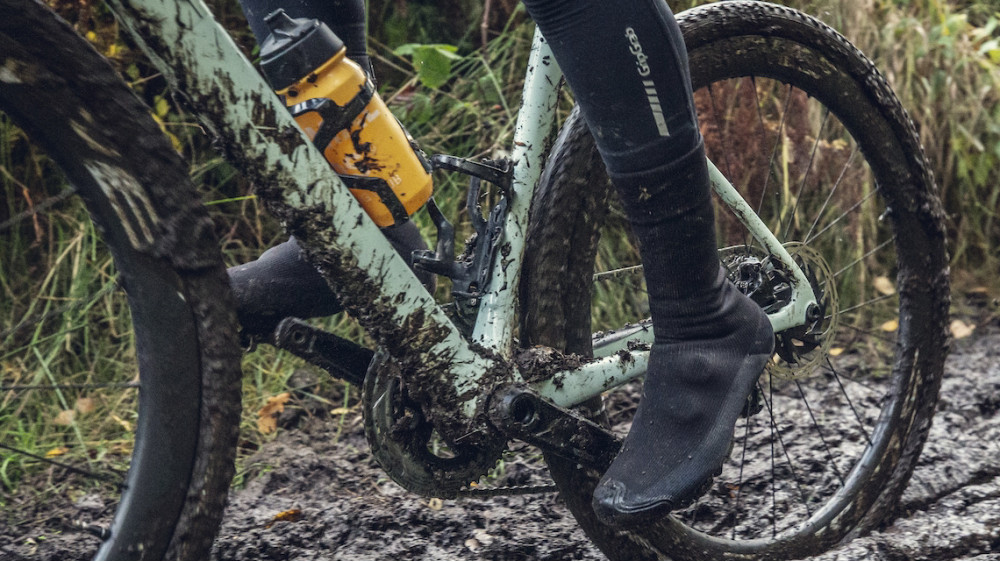
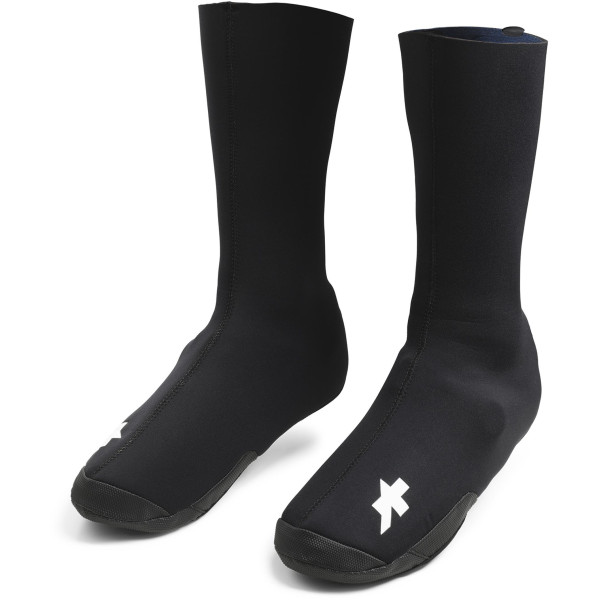
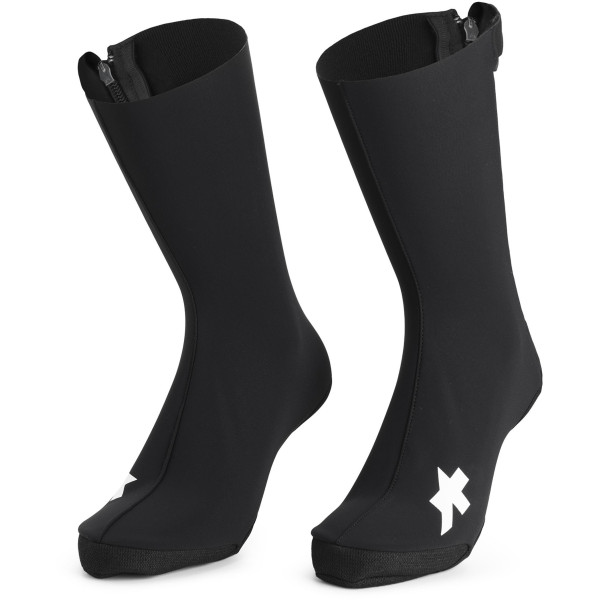
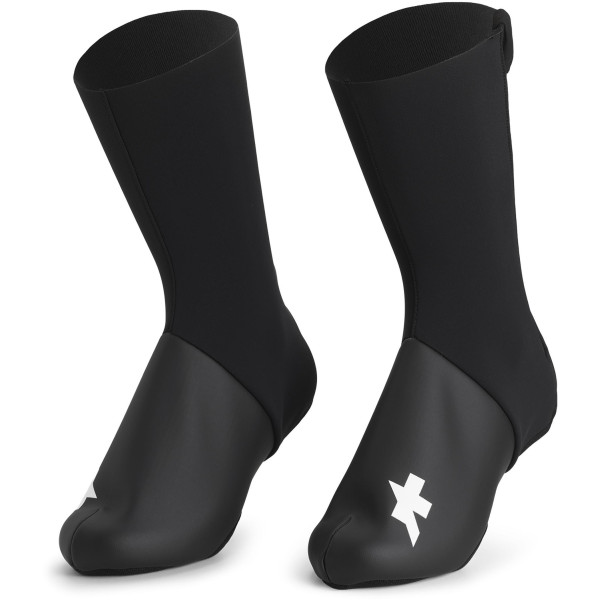
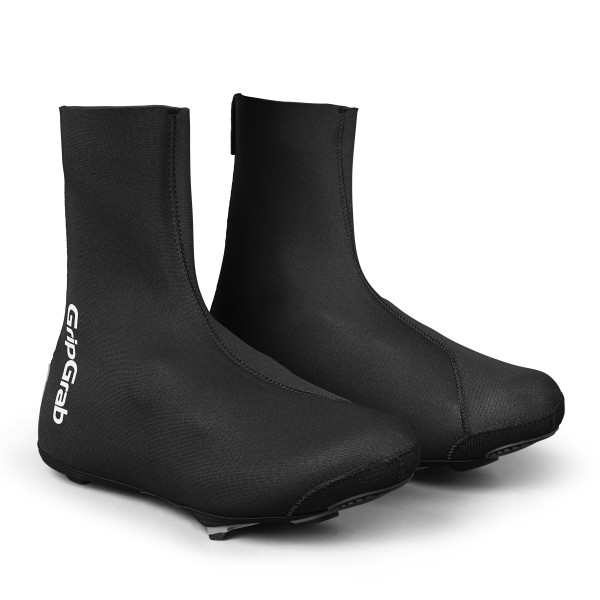
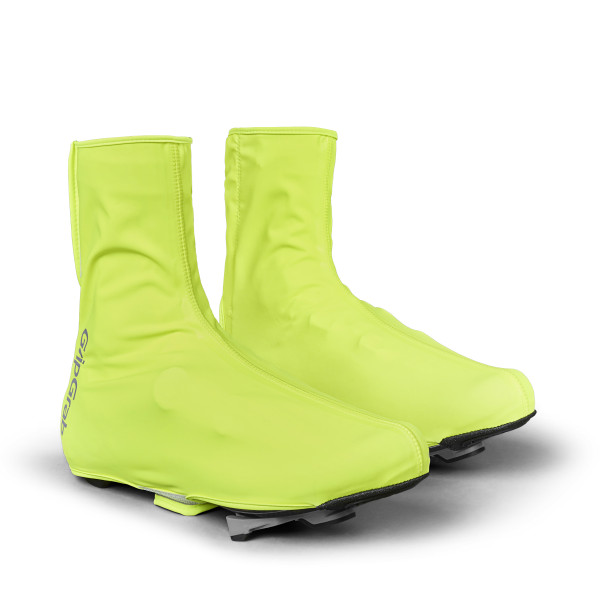
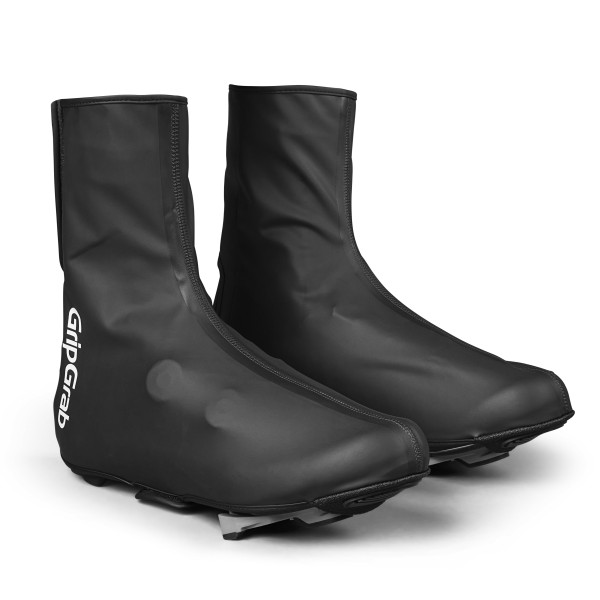
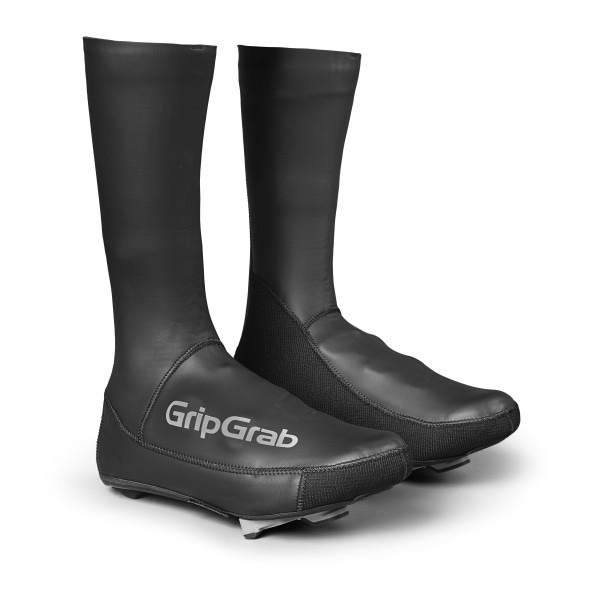
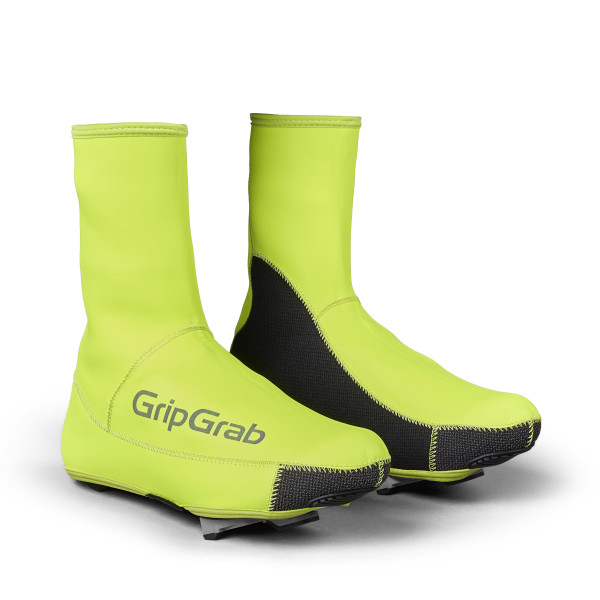
When riding in cool, windy or rainy weather, your feet are among the parts of the body that can get cold more quickly. Cycling overshoes are worn over cycling shoes and, depending on their construction, can help protect your feet from wind, cold, rain, road spray and dirt.
However, different overshoes are designed for different conditions. Some models focus primarily on wind protection, others on warmth, while others are intended for wet weather. In this guide, we explain how to choose cycling overshoes based on weather conditions, the shoes you use, size and your type of riding.
Which cycling overshoes should you choose for different weather conditions?
When choosing overshoes, it is better to start with the conditions you ride in most often rather than the type of bike you use. Temperature, wind and precipitation are the main factors that determine the level of protection you need.
Windproof overshoes
Wind can quickly cool your feet while cycling even when the outside temperature is not particularly low. Windproof overshoes are usually made from materials designed to reduce the flow of cold air through the upper part of your cycling shoes.
These models can be a practical choice for cool autumn or spring days when thick thermal insulation is not yet necessary.
Rain overshoes
When riding in wet weather, not only the material of the overshoe matters, but also its overall construction. Water can enter through seams, closures, the upper opening or areas around the shoe sole, so a water-resistant material alone does not necessarily mean that the entire overshoe is completely waterproof.
If you frequently ride in the rain, consider the level of water protection specified by the manufacturer as well as design features intended to reduce water entering the shoe.
Warm and winter overshoes
Models designed for cold weather usually have a thicker construction and provide better thermal insulation. Neoprene and other materials that help protect against cold and wind are commonly used.
However, a thicker overshoe does not automatically mean it will be comfortable at every temperature. A model that is too warm can cause your feet to sweat in milder conditions, so the level of insulation should be matched to the actual weather in which you ride.
Are waterproof cycling overshoes really waterproof?
The terms “water-resistant” and “waterproof” do not mean exactly the same thing. A material can provide very good water resistance, but overshoes have openings for the shoe sole, cleat and leg, so during long rides in heavy rain, water may still enter through other areas.
For this reason, you should not choose overshoes based solely on the wording used on the product. Check how the seams, closure and upper section are constructed and what weather conditions the manufacturer recommends the specific model for.
For short periods of rain and wet roads, lighter protection may be sufficient. For longer rides in the rain, it is worth choosing a model specifically designed to provide a higher level of water protection.
Road, MTB or gravel overshoes – what is the difference?
Overshoes should be matched not only to your cycling discipline, but primarily to the construction of the cycling shoes you use.
For road cycling shoes
Road cycling shoes usually have a smooth, stiff sole and a protruding cleat. Overshoes designed for them can have a streamlined fit, with sole openings adapted to the construction of road cycling shoes.
For MTB shoes
MTB shoes generally have more pronounced tread and are designed to be more practical for walking, so the underside of the overshoe needs to leave enough space for the shoe's contact areas. The overshoe should also not interfere with the cleat engaging with the pedal.
For gravel shoes
The sole construction of many gravel shoes is similar to MTB shoes, so in some cases the same overshoes can work for both. However, gravel shoes vary in design, so before buying it is worth checking whether the specific overshoe is compatible with the construction of your shoes.
Therefore, labels such as “Road”, “MTB” or “Gravel” should not be treated as the only selection criterion. The most important thing is that the overshoe's sole openings, shape and size are compatible with your specific cycling shoes.
How to choose the right cycling overshoe size?
Overshoes should fit closely enough around the shoe that they do not slip or flap in the wind while riding. However, a model that is too small can be difficult to put on, while excessive stretching can place additional strain on the seams, closures and edges of the sole openings.
When choosing a size, it is important to follow the specific overshoe manufacturer's size chart. Shoe size alone is not always enough, as road and MTB shoes of the same size can differ considerably in their external shape and sole construction.
If your shoe size falls between two overshoe sizes, you should not automatically choose the smaller one simply to achieve a tighter fit. In this situation, follow the manufacturer's recommendations and consider the construction of the cycling shoes you use.
What materials are cycling overshoes made from?
The performance of cycling overshoes depends not on one particular material but on their overall construction. Different models may use neoprene, stretch synthetic fabrics, membranes, wind-resistant outer layers or combinations of several materials.
- Neoprene is commonly used in models designed for colder conditions because of its insulating properties.
- Thinner synthetic fabrics can be suitable when wind protection is the main priority and significant additional warmth is not required.
- Water-resistant materials and membranes are used in models designed for wet conditions, but overall rain protection also depends on the seams, openings and construction of the overshoe.
For this reason, it is better to consider the intended use and performance characteristics specified by the manufacturer rather than looking for a single “best” material.
Winter cycling shoes or overshoes?
Overshoes are a practical way to extend the season in which you can use your regular cycling shoes. You can put them on when additional protection is needed and remove them when the weather becomes warmer.
If you ride regularly and for long periods in cold weather, dedicated winter cycling shoes may be a more practical solution. They feature integrated thermal insulation and a construction specifically designed for lower temperatures and challenging weather conditions.
Overshoes are often more suitable when you want to use your existing cycling shoes more flexibly during autumn, spring or milder winter days. Riders who cycle throughout the year may find both solutions useful.
How to put on cycling overshoes correctly?
It is worth putting overshoes on carefully, especially if the model is stretchy and fits closely around the shoe. Pulling too hard on one area can place unnecessary strain on the material or seams.
The correct method depends on the specific construction. Some models are first pulled over the leg before putting on the cycling shoe, while others are stretched directly over the shoe after it has been put on. It is therefore best to follow the manufacturer's instructions for the specific model.
Once the overshoes are on, check that they do not interfere with the cleat, cover important contact areas of the sole or become twisted around the closure or heel.
How to care for cycling overshoes?
After a wet or muddy ride, it is worth cleaning the overshoes and allowing them to dry naturally. Washing methods and permitted temperatures depend on the materials used, so always follow the manufacturer's care instructions.
Overshoes should not be dried very close to a radiator or another strong heat source unless the manufacturer specifically recommends it. High temperatures can damage stretch fabrics, bonded components or water-resistant layers.
It is also worth regularly checking the sole openings, seams and closures, as these areas generally experience the most mechanical wear when walking and putting the overshoes on.
Common mistakes when choosing cycling overshoes
- Choosing only by shoe size. Road and MTB shoes with the same stated size can have very different external shapes.
- Assuming “waterproof” means absolute protection. Water can enter not only through the material but also through openings, seams or the upper part of the overshoe.
- Choosing a model that is too thin for winter. Wind protection does not necessarily provide enough thermal insulation in low temperatures.
- Choosing a size that is too small for a tighter fit. Excessive stretching can make the overshoes harder to put on and place additional strain on the material.
- Ignoring the construction of the shoe sole. The overshoe openings need to be compatible with the shoe sole and cleat position.
In short: which cycling overshoes should you choose?
| Riding conditions |
What to look for |
What to consider |
| Cool and windy |
Wind protection |
Fit and wind-resistant construction |
| Rain and wet roads |
Higher level of water protection |
Material, seams, closure and openings |
| Cold weather |
Warmer or winter overshoes |
Thermal insulation and wind protection |
| Road cycling shoes |
A model compatible with road shoe construction |
Sole and cleat openings |
| MTB / Gravel shoes |
A model designed around tread and walking needs |
Open sole areas and cleat compatibility |
If you are unsure which overshoes will suit your cycling shoes and the conditions you ride in most often, you can find the full selection in our cycling overshoes category. If you need help, contact Velonova – we will help you choose a suitable model based on your cycling shoes, size and riding conditions.

 Gifts
Gifts Discounts