
 Gifts
Gifts Discounts

Updated 2026-09-29
An electric bike can make everyday journeys easier and help you tackle longer distances or steeper climbs, but the right model depends on where and how you plan to ride. In this guide, we explain how to choose an electric bike, how the main types differ, and what you need to know about the motor, battery, range, bike size and components.
How to Choose an Electric Bike? A Complete Guide

2024-03-14
 Viktorija Kaupienė
Viktorija Kaupienė
Which electric bike is best?
There is no single best electric bike for everyone. The right choice depends on how you plan to use it: comfort and practical equipment are important for city riding, versatility matters for longer mixed-surface routes, while handling, suspension and motor system characteristics become more important on forest trails and steeper climbs.
Before comparing battery capacities or motor specifications, first decide where you will ride most often. This will help you narrow down your options considerably.
Which type of electric bike should you choose?
Electric city bike – for everyday journeys
Electric city bikes are designed for everyday journeys, commuting to work, shopping and leisure rides around town. They typically offer a comfortable riding position, while some models come equipped with lights, mudguards, a rear rack or other practical equipment for daily use.
Electric hybrid bike – for versatile riding
Electric hybrid bikes are suitable for riders who want to go beyond city streets. They can be a good choice for tarmac, cycle paths, longer rides and easier unpaved roads.
Electric mountain bike (MTB) – for trails and climbs
Electric mountain bikes (MTB), also known as e-MTBs, are designed for more challenging terrain, forest trails and steeper climbs. Motor assistance helps you cover more distance and elevation while retaining the handling and riding characteristics of a mountain bike.
Electric gravel bike – for tarmac and gravel roads
Electric gravel bikes are designed for mixed-surface routes. They are a good option for riders who want to combine tarmac, gravel roads and easier forest tracks while maintaining a sportier riding position.
How does an electric bike work?
An electric bike has a motor, battery and control system that provides additional assistance while you pedal. Selecting a higher assistance level makes riding easier but uses battery energy more quickly. A lower assistance level means the rider does more of the work and generally helps conserve battery power.
An electric bike is therefore not simply a bike that “rides for you”. Its electrical system supplements the rider's pedalling effort, while the way assistance is delivered depends on the specific system and selected riding mode.
How to choose an electric bike motor?
When comparing electric bikes, motor power alone does not tell the whole story. You should consider the complete system: motor position, torque, assistance control and the type of riding the bike was designed for.
What does torque (Nm) mean?
Torque, measured in newton metres (Nm), helps indicate how strongly the motor can assist you while pedalling. Higher torque can be particularly useful on steeper climbs, challenging terrain or when carrying a heavier load.
However, a higher Nm figure does not automatically mean a better bike. For city and recreational riding, smooth and natural assistance may be more important, whereas an e-MTB can benefit from stronger assistance on technical climbs.
Is a more powerful electric bike always better?
No. Motor characteristics should be chosen according to how you intend to use the bike rather than simply looking for the highest number. It is also important to distinguish electric bikes from other electrically powered vehicles, as their technical and legal requirements may differ.
Which electric bike battery should you choose?
Battery capacity is usually expressed in watt-hours (Wh). In general, a higher Wh figure means more stored energy, but it is also important to consider the bike's weight, intended use and the efficiency of the complete electrical system.
For short everyday journeys, you may not need the largest available battery. If you are planning longer routes, plenty of climbing or frequent use of higher assistance levels, a larger battery capacity may be more practical.
How far can an electric bike travel?
There is no single exact figure. Real-world range is affected by battery capacity, the selected assistance mode, terrain, rider and luggage weight, air temperature, wind, tyres, tyre pressure and riding speed.
For this reason, the manufacturer's stated maximum range should be treated as a guideline rather than a guarantee that you will cover exactly that distance in all conditions.
How much does an electric bike cost?
The price of an electric bike depends on more than just its motor or battery. Frame material, drivetrain, brakes, wheels, suspension, integrated equipment and the electrical system itself can all affect the price.
As a result, two electric bikes that look similar can have very different prices. Rather than comparing only price or battery capacity in Wh, consider the complete specification and whether it suits the way you intend to ride.
How to choose the right electric bike size?
The correct frame size is important for comfort, handling and efficient pedalling. Height alone is not always enough because geometry can vary between manufacturers and between bikes designed for different types of riding.
Start by following the size chart provided by the specific manufacturer. If you fall between two sizes, you should also consider your body proportions, riding style and the geometry of the particular model.
Which electric bike is suitable for older riders?
There is no single electric bike that is universally best for older riders. The most important factors are usually a comfortable and stable riding position, easy mounting and dismounting, simple controls, the correct frame size and smooth motor assistance.
Electric city or hybrid bikes are often practical choices for everyday riding. A lower or step-through frame can make getting on and off easier, but the right model should be selected according to the rider's mobility, height and planned routes.
Which electric bike manufacturer should you choose?
The brand name is only one part of the decision. It is more important to consider the intended use of the specific model, its geometry, electrical system, components, warranty conditions and the availability of servicing and replacement parts in the future.
Different manufacturers may also offer electric bikes with very different characteristics – from lighter, sportier models to bikes designed for comfort or demanding off-road riding. It is therefore better to compare individual models rather than choose solely by brand.
Is it worth converting a regular bike into an electric bike?
Technically, some conventional bikes can be converted using dedicated electric conversion kits, but the result is not always equivalent to an electric bike designed as such from the factory. You need to consider the suitability of the frame and components, braking system, additional weight, installation of the electrical system and overall compatibility.
It is also important to ensure that the modified vehicle complies with the applicable technical and legal requirements. Before carrying out a conversion, consider not only the price of the kit but also the safety of the complete setup and whether the end result will meet your needs.
Does an electric bike need to be registered?
Registration and other legal requirements depend on the technical characteristics of the specific vehicle. Not every vehicle sold or described as an “electric bike” necessarily falls into the same legal category.
You should therefore check the specifications of the particular model and the regulations currently applicable in the country where the bike will be used, especially if the vehicle can travel without pedalling or its specifications exceed the limits applicable to conventional pedal-assist electric bikes.
What else should you consider before buying?
In addition to the motor and battery, consider the brakes, drivetrain, tyres, suspension, bike weight and practical equipment. Integrated lights, mudguards and a rear rack can be important for city riding, while suspension, tyre grip and braking performance become more important on forest trails.
Also think about where you will store and how you will transport the bike. Electric models are often heavier than conventional bikes designed for similar purposes, so weight can be an important factor if you need to carry the bike upstairs or regularly lift it onto a car bike rack.
So, how do you choose an electric bike?
Start by choosing the type of bike that best suits your most common routes. Then compare the motor system, battery capacity, frame size and overall specification. City riding, versatile everyday journeys, forest trails and gravel routes all require different characteristics, so the largest battery or most powerful motor does not necessarily mean the best choice for you.
If you would like to compare specific models, browse our electric bikes or contact the VELONOVA team – we can help you choose a model based on your height, riding style and planned routes.
Related Products
New
-15%
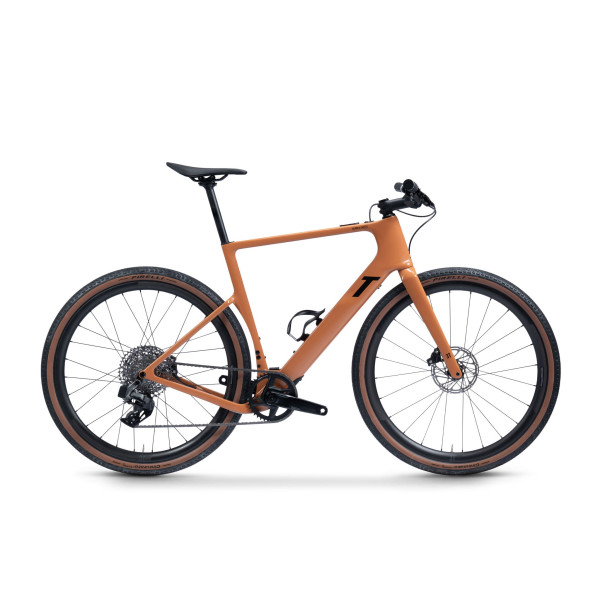
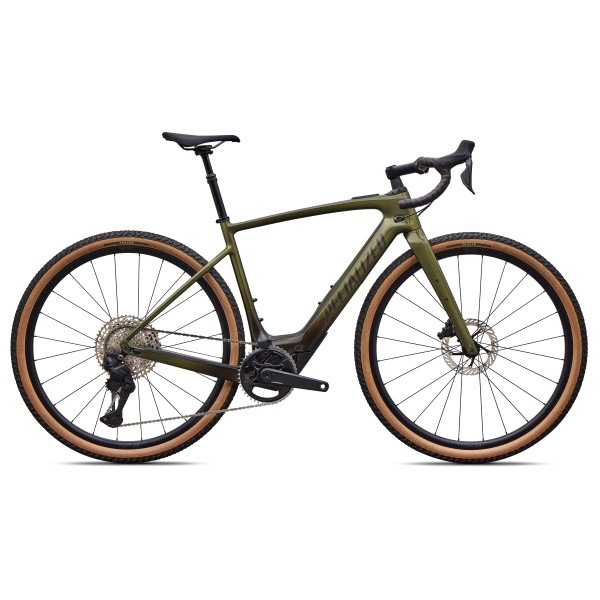
3T E-Ultra WPNT Electric Bike | SRAM Rival XPLR AXS 1x12 | FB DISCUS i28 | Pesca
5,100.00€
6,000.00€
New
-15%
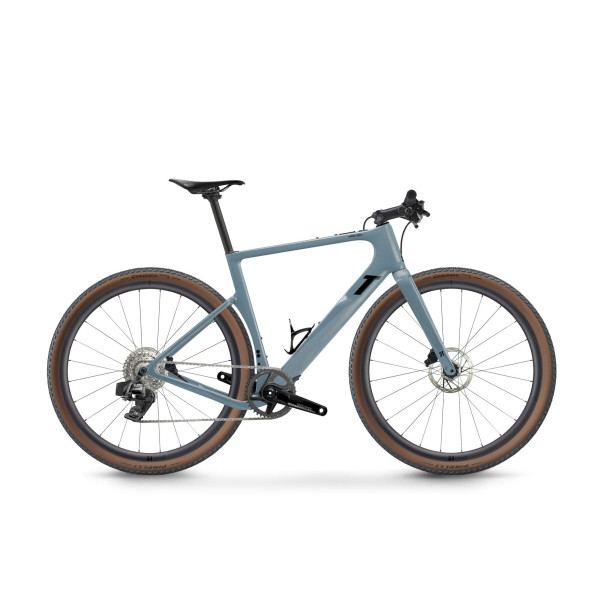
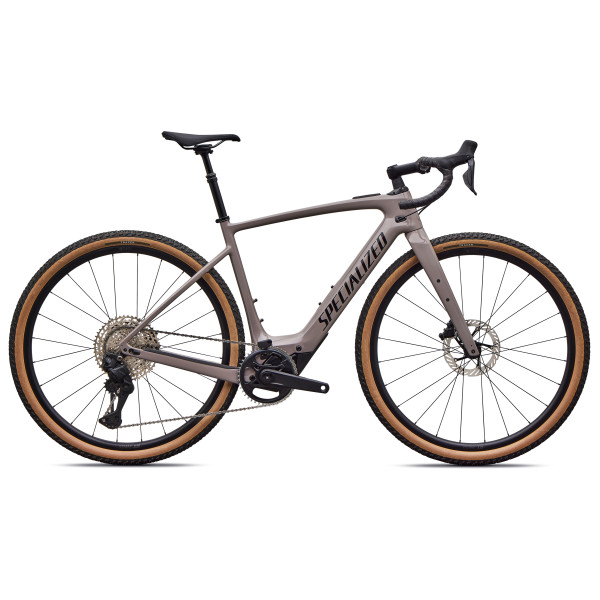
3T E-Ultra WPNT Electric Bike | SRAM Rival XPLR AXS 1x12 | FB DISCUS i28 | Grigio Perla
5,100.00€
6,000.00€
Fast delivery
-21%
TOP
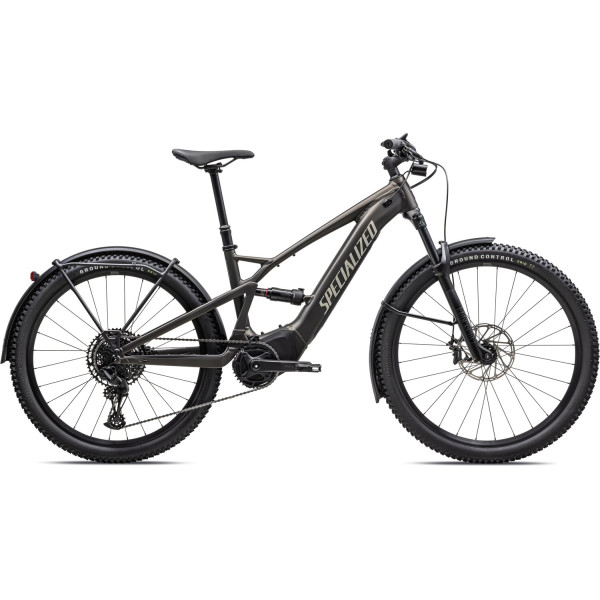
Specialized Turbo Tero X 4.0 E-Bike | Gunmetal - White Mountains
2,700.00€
3,400.00€
New
-15%
3T E-Ultra WPNT Electric Bike | SRAM Rival XPLR AXS 1x12 | FB DISCUS i28 | Pesca
5,100.00€
6,000.00€
New
-15%
3T E-Ultra WPNT Electric Bike | SRAM Rival XPLR AXS 1x12 | FB DISCUS i28 | Grigio Perla
5,100.00€
6,000.00€
Fast delivery
-21%
TOP
Specialized Turbo Tero X 4.0 E-Bike | Gunmetal - White Mountains
2,700.00€
3,400.00€
Related Posts
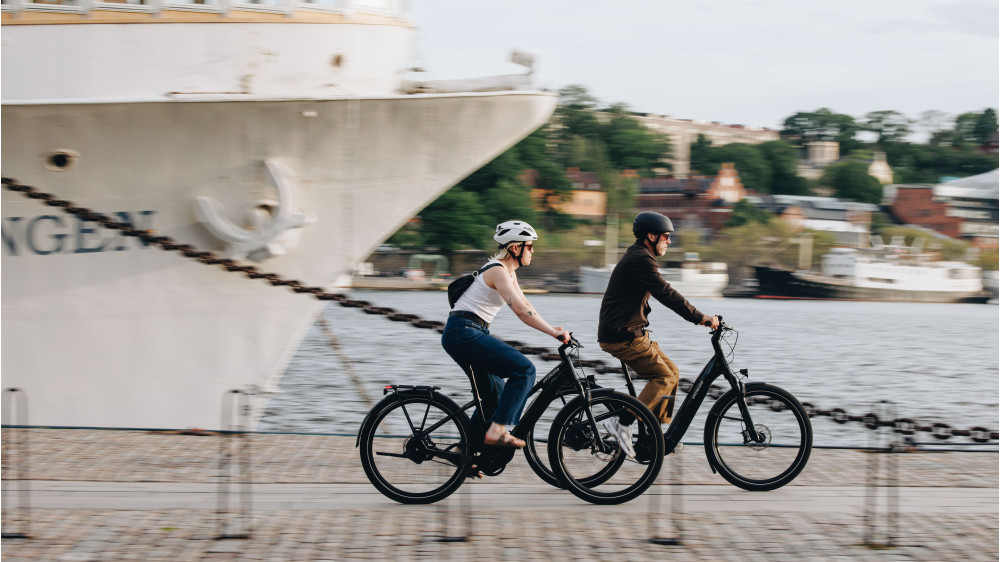
Men's or Women's Bicycle: Why Geometry and the Right Size Are Key
Are you looking for a men's or women's bike? The right answer lies somewhere in between—learn about how bikes are tailored to different genders and make a smart choice!..
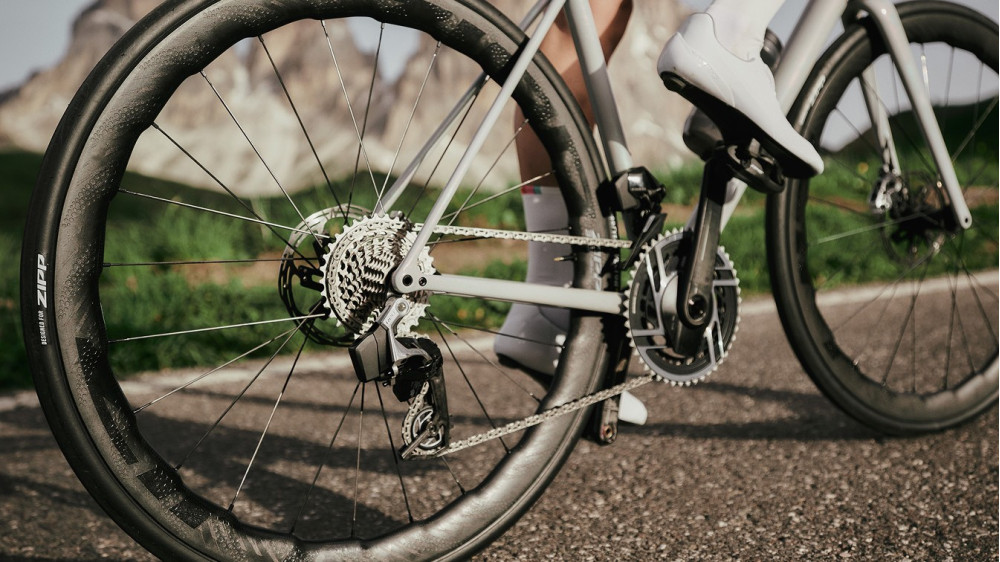
Electronic or mechanical bicycle shifters?
This article compares mechanical and electronic bicycle drivetrain systems, their advantages, disadvantages, maintenance requirements, and which system is best suited for different riding styles...
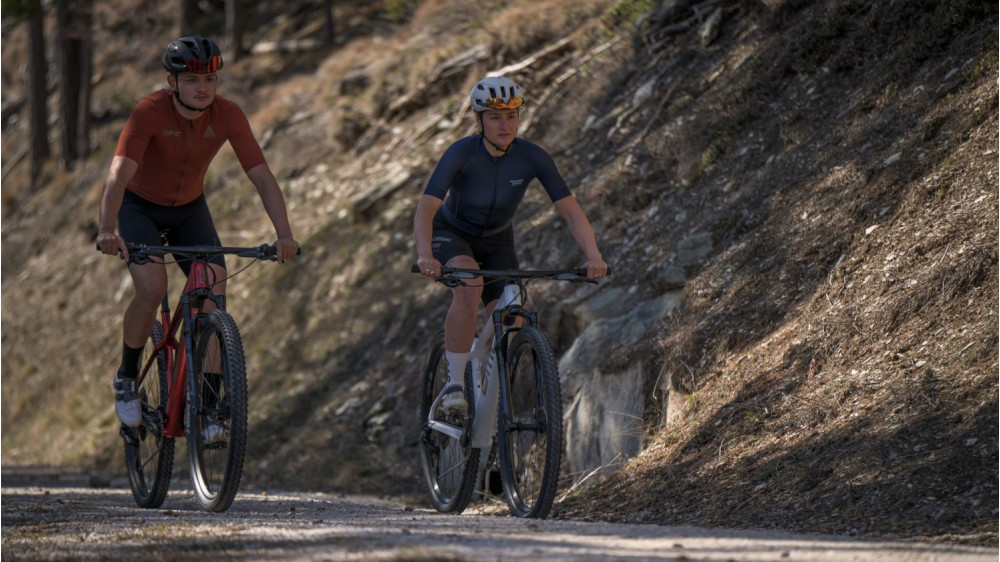
Electric mountain bikes (e-MTBs) or standard MTBs?
If you enjoy adventure, spending time in nature, challenging climbs, and extreme descents on forest trails, then MTB is the discipline for you. However, with the recent rise in popularity of e-MTB bikes, more and more cyclists are wondering which is better: a classic or electric mountain bike. In th..

Electric bikes in winter: what do you need to know before riding?
The cold season should not be a reason to say goodbye to your electric bike until spring. If you prepare properly, you can use your e-bike even in sub-zero temperatures. This guide contains all the information you need to know before riding your e-bike in winter – from battery maintenance to safe ri..