What is a mechanical derailleur?
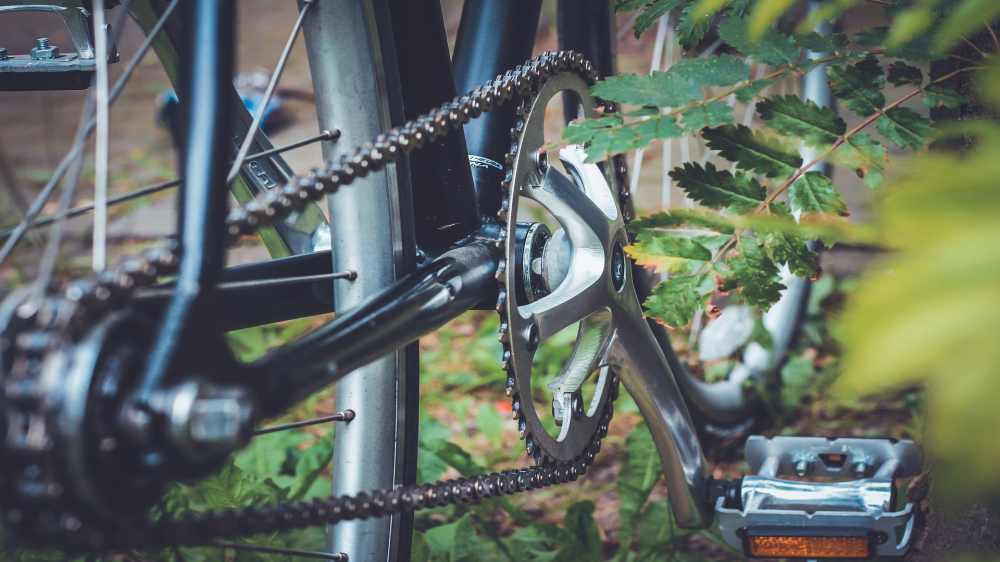
A mechanical derailleur is a bicycle mechanism that allows you to change gears while riding. It works using cables and cable housing. When you press the shifter lever, the cable pulls the derailleur, moving the chain onto another sprocket or chainring. This solution has been used for decades and remains extremely popular today.
Mechanical shifting systems are reliable, relatively affordable and easy to repair. One of their biggest advantages is that many issues can be fixed even during a ride. If a cable stretches or adjustment is needed, a little experience and a few basic tools are usually enough to handle the repair yourself.
However, mechanical systems are not completely maintenance-free. Over time, cables wear and stretch, which means the gears need to be adjusted more often. Mechanical shifting is also more sensitive to dirt, dust and moisture, which can increase friction inside the cable housing.
What is an electronic derailleur?
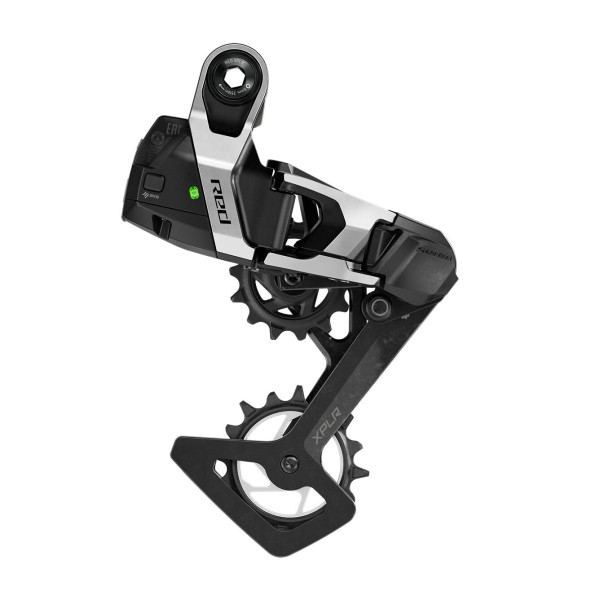
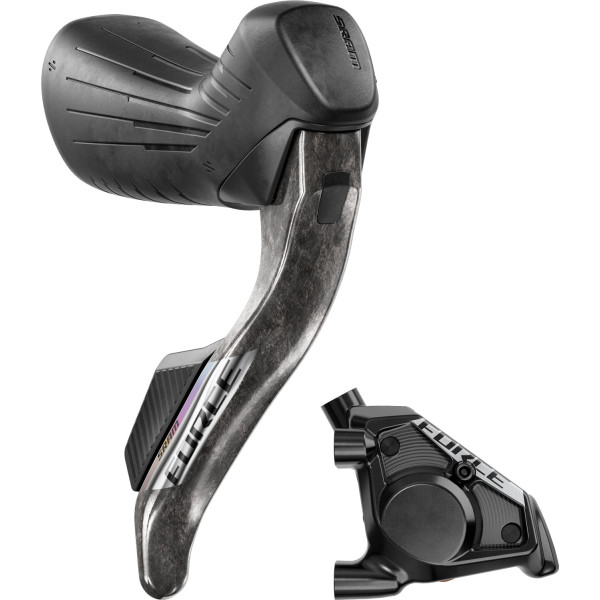
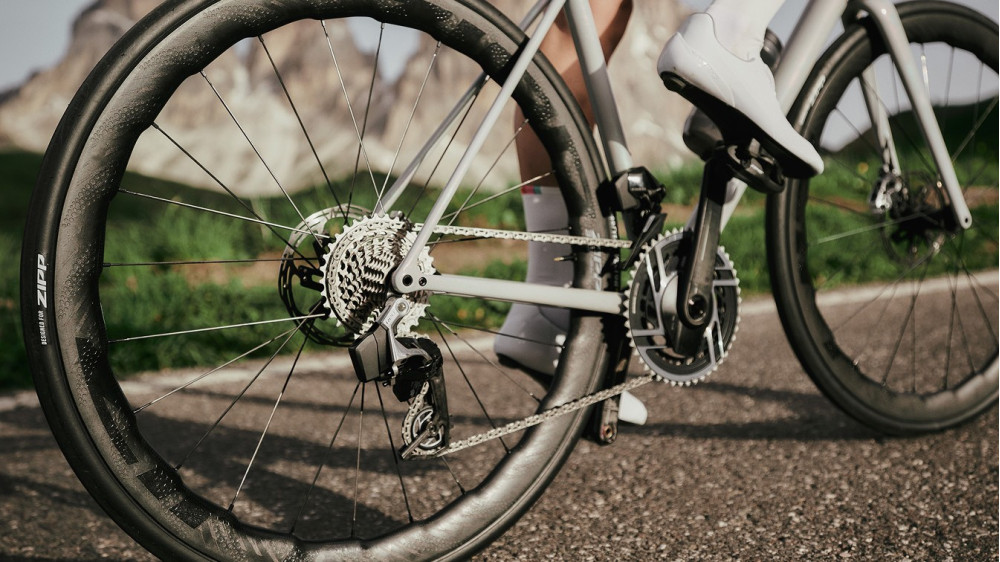
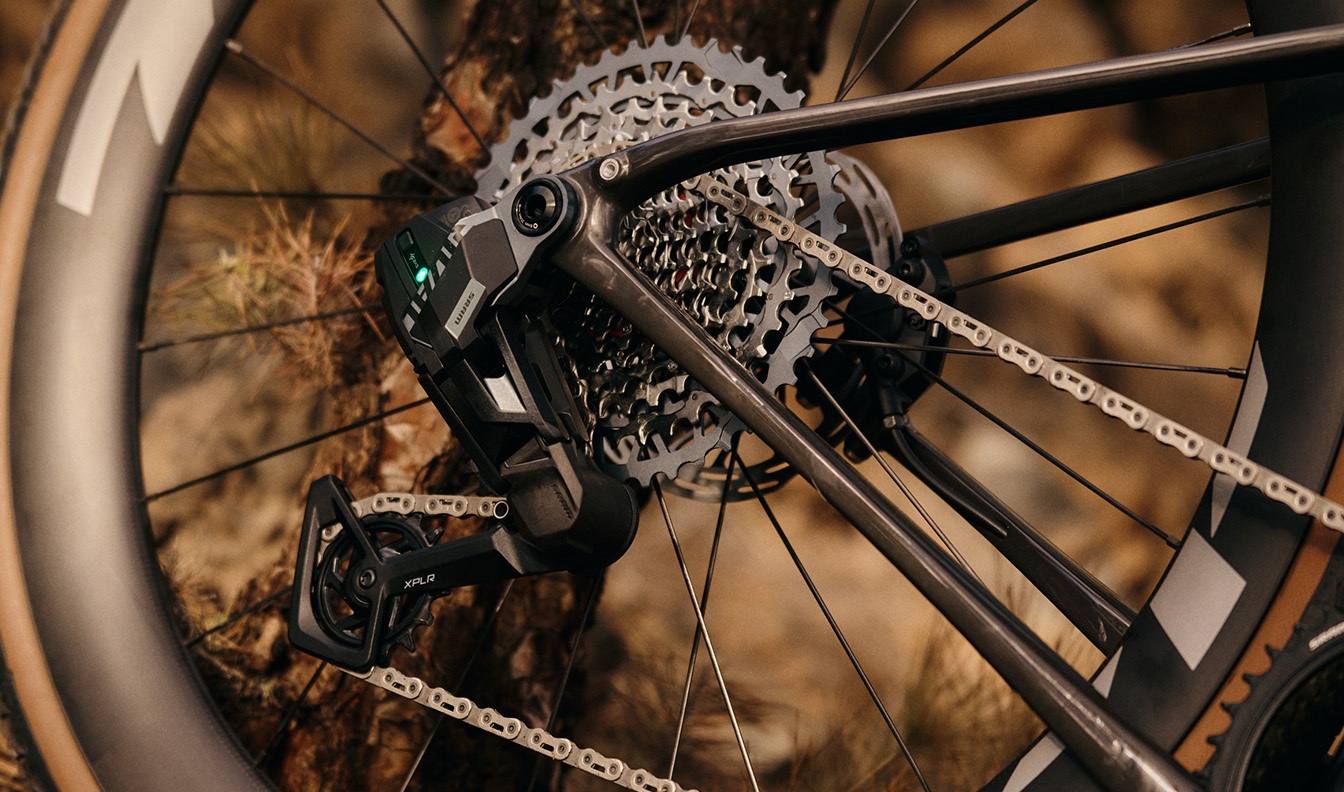
An electronic derailleur is a bicycle mechanism that shifts the chain not through a mechanical cable, but through an electronic signal. Gears are changed with the press of a button. Each press sends the same consistent signal, so the system works precisely regardless of weather conditions or component wear.
When properly installed, an electronic shifting system can work for a long time without additional adjustments. Many models also allow you to customise button functions or monitor the system status on your phone.
The other side of the coin is the higher price. Electronic groupsets cost more than mechanical ones, and repairs usually require specialised equipment. In addition, an electronic system only works when it has enough power, so battery charging becomes part of regular bicycle maintenance.
Main differences between electronic and mechanical shifting
Before making a decision, it is worth comparing the key aspects of both systems. If your main priorities are precision and minimal maintenance, an electronic system has the advantage. If you value a lower price, simplicity and the ability to service everything yourself, a mechanical system is an excellent choice.
| Electronic vs mechanical shifting |
| Feature |
Electronic shifting |
Mechanical shifting |
| Shifting precision |
Very precise and consistent |
Depends on adjustment condition |
| Maintenance needs |
Minimal |
Requires periodic adjustment |
| Weight |
Usually slightly heavier |
Usually lighter |
| Weather resistance |
Works very well in rain and mud |
Can be affected by cable contamination |
| Compatibility with other components |
Limited between different manufacturers |
Often more flexible |
| Price |
Higher |
Lower |
| Ability to repair yourself |
Limited |
Very good |
Which system suits which bicycle?
-
Road bikes
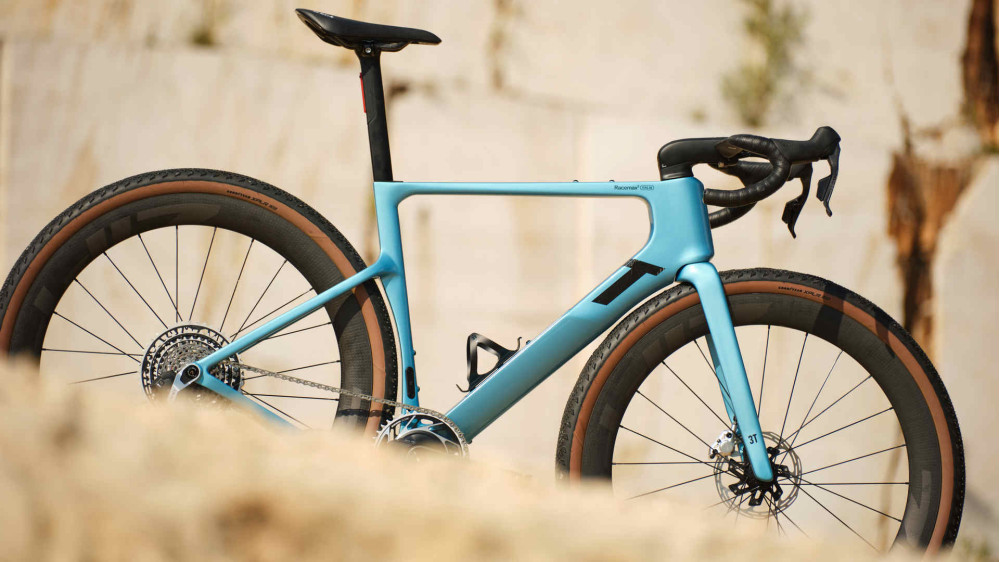
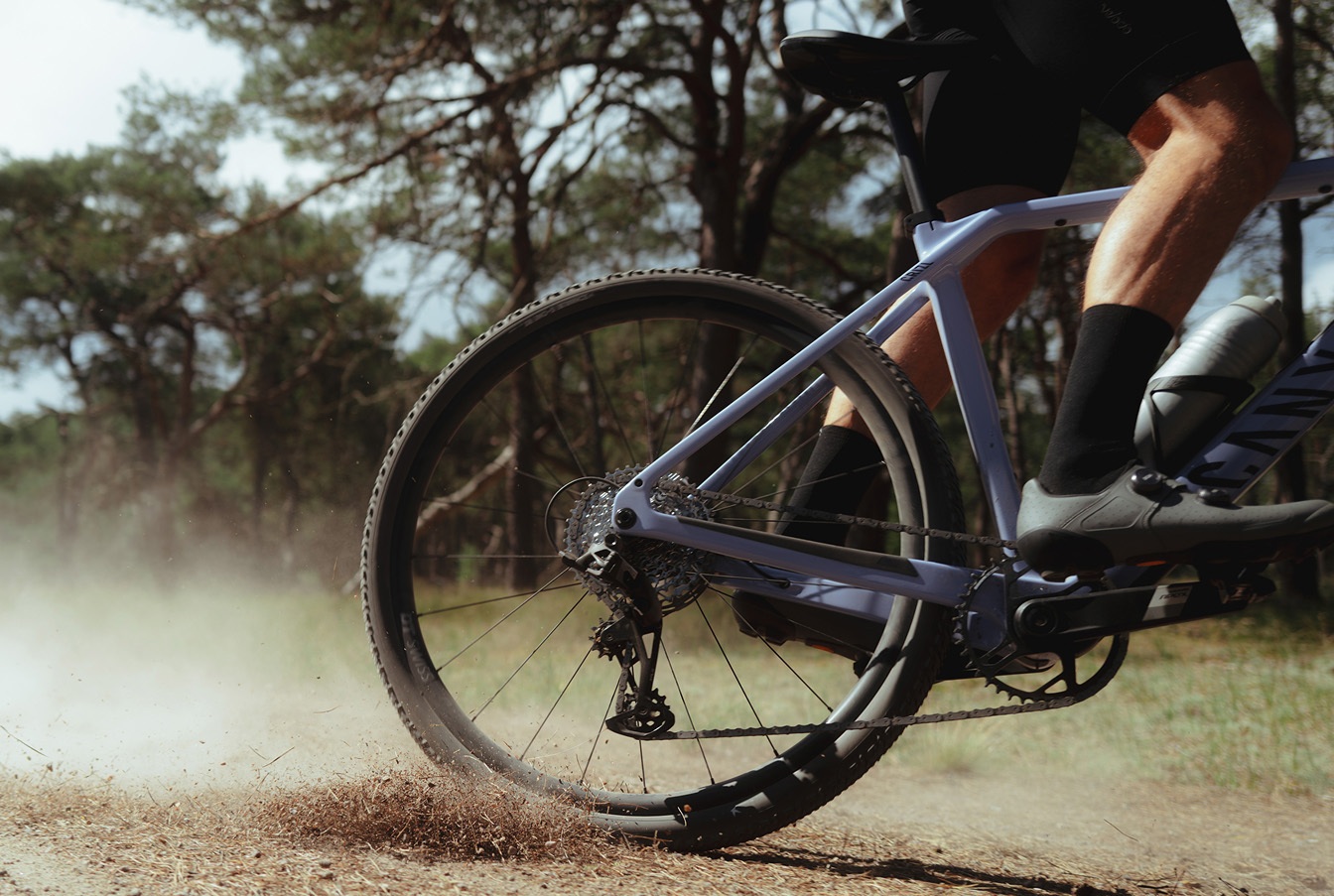
Electronic gears are becoming increasingly popular on road bikes. In races or intensive training sessions, fast and precise shifting helps maintain pace more efficiently and allows the rider to focus on performance. Mechanical systems are still often chosen because of their lower price, but electronic shifting is becoming a more common standard on higher-end road bikes.
-
Gravel bikes
Both systems are used on gravel bikes. Electronic gears are ideal for long distances and competitions, where precision and reliability are highly valued. For remote routes and bikepacking trips, many riders still choose mechanical shifting – if repairs are needed during the ride, a mechanical system is much easier to fix.
-
Mountain bikes (MTB)
In the mountain bike segment, mechanical systems remain very popular because of their simplicity and resistance to impacts. However, modern electronic systems also handle mud, dust and demanding riding conditions very well, which is why they are appearing more often on higher-end MTB models.
-
City bikes
City bikes are increasingly focused on comfort and minimal maintenance. When electronic systems are combined with internal gears, riding becomes almost adjustment-free. However, most city bikes are still equipped with mechanical systems due to their simpler construction and lower price.
Price comparison
One of the most important differences between these systems is the price. Mechanical gear components are significantly cheaper (from €10 to €120), both to buy and to maintain. Cables, cable housing and other wear parts are inexpensive, and replacing them usually does not require complicated procedures.
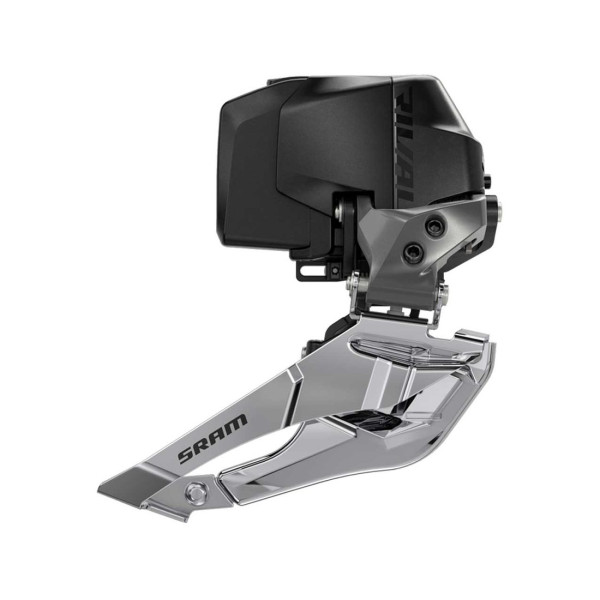
Electronic systems cost more (from €100 to €450). Derailleurs, batteries, control modules and other electronic parts are more expensive. If repairs are needed, the costs are also often higher. The most cost-effective way to switch to electronic shifting is to buy a bicycle that already has it installed from the factory. Upgrading an existing bike can often cost more than it may seem at first glance.
Installation and maintenance
Mechanical systems are the most user-friendly option for riders who like to maintain their own bike. Replacing a cable, adjusting cable tension or making small corrections can usually be done with simple tools.
Electronic systems require less attention in everyday use, but their installation can be more complex. You need to ensure frame compatibility, install batteries correctly and configure the system. Some manufacturers also offer software updates, so occasionally the system may need to be connected to a phone or computer.
Battery life for electronic shifting systems
One of the most common questions about electronic gears is how long the battery lasts. With a Shimano Di2 system, you can ride up to 1000 km on a single charge, while SRAM AXS batteries usually last around 20–25 riding hours.
The exact battery life depends on air temperature, shifting frequency and riding conditions. In cold weather, batteries usually drain faster. If you are planning a longer ride or a multi-day cycling trip, it is worth fully charging the system in advance. SRAM users often carry a spare battery as well – it is small, lightweight and takes up very little space.
Electronic or mechanical: which should you choose?
There is no single correct answer – it all depends on what you expect from your bike. If you value the latest technology, want extremely precise gear shifting, minimal maintenance and a clean bicycle design without extra cables, an electronic system will most likely meet your expectations.
If your main priorities are a lower price, the ability to perform repairs yourself and reliability when riding farther away from the city, a mechanical system is an excellent choice.
The good news is that both technologies are highly developed today. Both mechanical and electronic gears can serve for many years and ensure smooth cycling. The most important thing is to choose the solution that best matches your needs.

 Gifts
Gifts Discounts




/ed-red-axs-e1-sjd-frt-lft-f0-700-c-caliper-3q-s-v01-600x600.png "SRAM Red AXS HRD Brake/Shift Lever with Caliper | 2-speed | Left | Front")
/ed-red-axs-e1-sjd-frt-lft-f0-700-c-caliper-3q-s-v01%20-%20Copy-600x600.png "SRAM Red AXS HRD Brake/Shift Lever with Caliper | 12-speed | Right | Rear")