When searching for that one perfect gravel bike, your research will likely come down to a key question sooner or later: an aluminum frame or a carbon (carbon fiber) frame? Some riders prioritize low weight and comfort on long routes, while others care more about durability, versatility, and price. In this guide, we’ll help you decide which frame is the better fit based on weight, ride feel, long-term reliability, and your budget.
Aluminum vs Carbon: the key differences
Aluminum and carbon frames differ not only in material, but also in how the bike feels on the road and on gravel.
| Criteria |
Carbon frame |
Aluminum frame |
| Weight |
0.7–2 kg, noticeably lighter than an aluminum frame. |
1–2.5 kg, weight depends on frame size. |
| Comfort (vibration damping) |
Absorbs vibrations well, reducing fatigue on longer rides. |
A more direct feel of the surface and bumps. |
| Riding efficiency |
More efficient power transfer, better at maintaining speed. |
Stable and reliable, but typically requires a bit more effort. |
| Durability |
Strong, but more sensitive to hard impacts. |
Resists everyday loads and intensive use very well. |
| Price |
From €2,300 to €13,200 |
From €1,300 to €2,800 |
| Best for |
Long distances, performance riding, comfort, and speed. |
Everyday riding, travel, and bikepacking. |
- Carbon fiber frame. A carbon frame is noticeably lighter, which means climbing will take less effort—something your legs will appreciate after long, demanding kilometers. However, carbon is most valued for how well it dampens vibrations. On longer rides over gravel or rough surfaces, your hands, shoulders, and lower back take less strain than on an aluminum bike, so overall fatigue builds up more slowly. Because of these benefits, carbon fiber is often chosen by performance-focused riders and anyone who wants maximum comfort and speed.
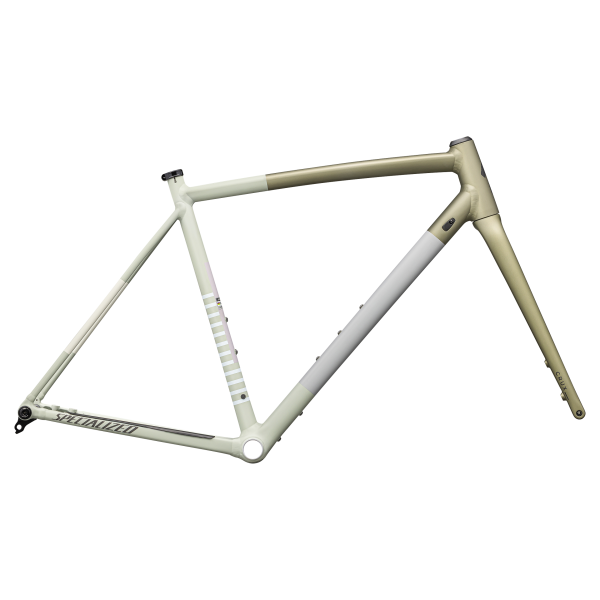
- Aluminum frame. An aluminum frame is known for strong durability and an excellent price-to-performance ratio. Modern aluminum frames are far more advanced than older generations—they’re lighter, better suited for longer rides, and still improving every year. Bikes using DSW technology can be exceptionally light; for example, the CRUX DSW model stands out as the world’s lightest aluminum gravel bike frame—its size 56 frame weighs just 1,399 grams. That said, on average aluminum frames are still around 40–50% heavier than carbon. Aluminum is also often seen as the more practical choice for riders who want one versatile bike for daily use and adventures in varied conditions.
A brief history of gravel bike frames
Gravel bikes emerged as a compromise between road-bike speed and mountain-bike confidence—a bike you can ride comfortably on pavement and keep going when the asphalt ends. The category started to take shape in the early 2000s in the United States, alongside the growing popularity of gravel road racing. A major milestone was the launch of “Unbound Gravel” in 2006 (formerly “Dirty Kanza”), which highlighted that riding hundreds of kilometers on rough surfaces calls for bikes designed specifically for that purpose (learn more).
Early gravel bikes were most commonly made from steel or aluminum. Steel delivered long-term durability, while aluminum offered lower weight and strong resistance to intensive use. A turning point came in 2012, when the first models purpose-built for gravel riding appeared on the market. From that moment, frame materials evolved quickly. Brands increasingly adopted carbon fiber, which made it possible to reduce weight, improve vibration damping, and fine-tune stiffness in different areas of the frame.
Is an aluminum gravel bike worth it?
An aluminum gravel bike is a popular choice for riders looking for a dependable, versatile, and budget-smart option for commuting, training, and longer routes. Below are the main advantages and drawbacks of an aluminum frame.
| Pros |
Cons |
| A strong, impact-resistant frame that works well for everyday riding and winter conditions. |
Compared to carbon fiber, aluminum absorbs small bumps and vibrations less effectively. This comfort difference is especially noticeable on long-distance rides. |
| Excellent value for money. |
An aluminum frame is heavier than a carbon frame. |
| Not as heavy as many expect—modern aluminum frames are significantly lighter. |
Less ideal for riders focused on racing or maximum performance. |
| Great for loaded riding, bike touring, and bikepacking. |
Fewer models come with top-tier components. |
Can you ride an aluminum gravel bike on the road?
Gravel bikes are often associated with gravel roads and forest paths far away from pavement. So it’s natural to ask whether a gravel bike is truly suitable for road riding—especially if the frame is made from aluminum.
Aluminum gravel bikes are highly versatile and work great on tarmac. With wider, all-round tires and a robust frame, many cyclists choose an aluminum gravel bike as a winter road bike or a comfortable daily commuter. Still, if outright speed is the goal, maintaining a high pace can be harder due to the bike’s weight.
Is an aluminum bike better than a carbon bike?
There’s no single right answer—it depends on your priorities and riding goals. Aluminum and carbon frames meet different needs. Aluminum clearly wins on price: you get a reliable, durable, and versatile frame for a smaller investment.
Carbon fiber is more often chosen for performance riding and racing, where every gram matters. A carbon frame with comparable strength will usually be lighter than aluminum and better at damping vibrations, making long or intense rides more comfortable.
Both materials meet the same safety, strength, and longevity standards, so the difference isn’t about durability—it’s about ride feel and price. That’s also reflected in the fact that the same top-level brands produce both aluminum and carbon gravel bikes, such as Specialized and BMC.
Are aluminum frames stronger than carbon frames?
In practice, both aluminum and carbon fiber frames are very strong and are engineered to handle the same real-world loads. The main difference is how they respond to impacts.
With a hard hit, aluminum tends to bend or deform. This is often visible to the naked eye, so you immediately know what kind of damage you’re dealing with. Carbon behaves differently: a heavy impact—such as a crash onto rocks—can crack the frame. Still, it’s worth noting that carbon fiber, despite being much lighter than aluminum, handles constant loads and vibration extremely well.
When used and maintained properly, frames made from both materials are equally dependable.
Is carbon fiber suitable for gravel bikes?
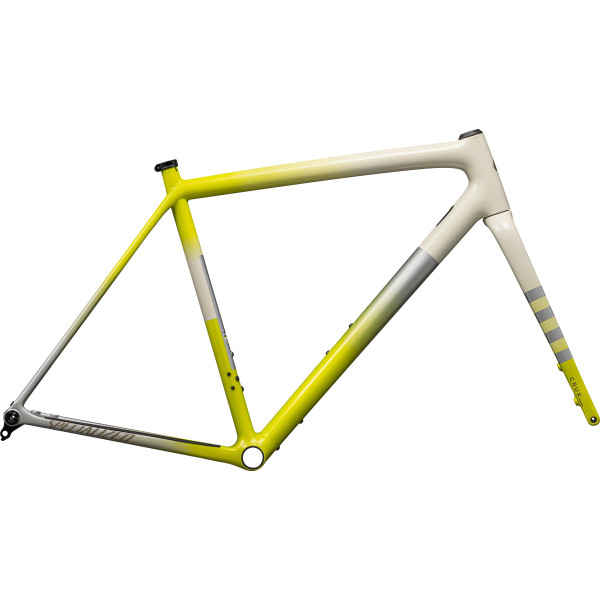
Carbon fiber is chosen for gravel bikes when lower weight and higher comfort over long distances are the priority. A carbon frame dampens vibrations better and transfers power more efficiently, which helps reduce fatigue. However, these benefits come with a few trade-offs worth considering—outlined in the table below.
| Pros |
Cons |
| Low weight means less energy needed for acceleration and climbing, with more efficient power transfer. |
Carbon frames require more precision and quality control to manufacture, which makes them more expensive than aluminum. |
| Excellent impact and vibration damping on gravel and rough terrain, reducing strain on hands and back. |
After a bigger crash, repairs can be more complex. Many brands replace cracked frames. |
| Frame stiffness and flex can be optimized very precisely during production. |
|
| Often paired with higher-end components. |
|
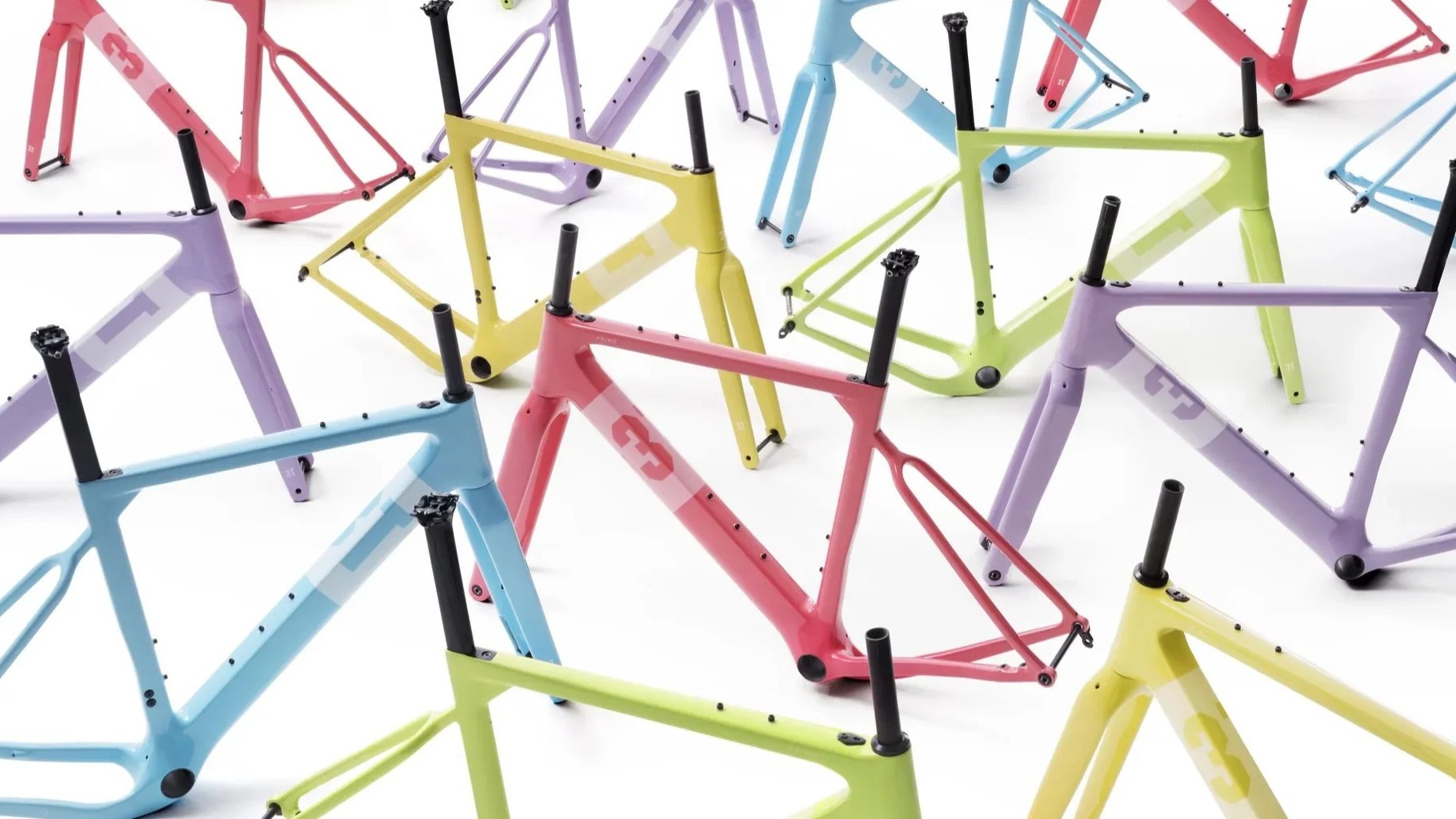
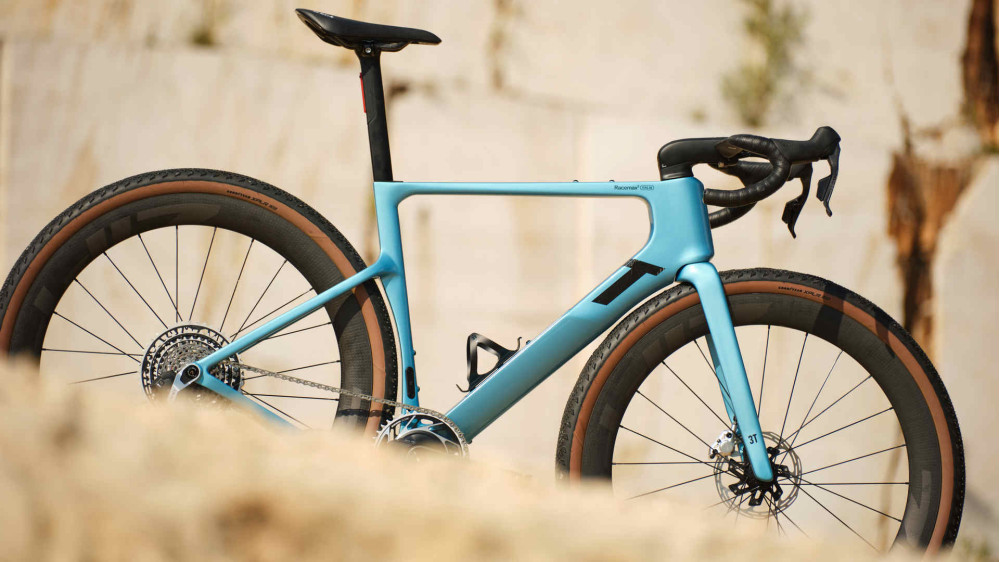
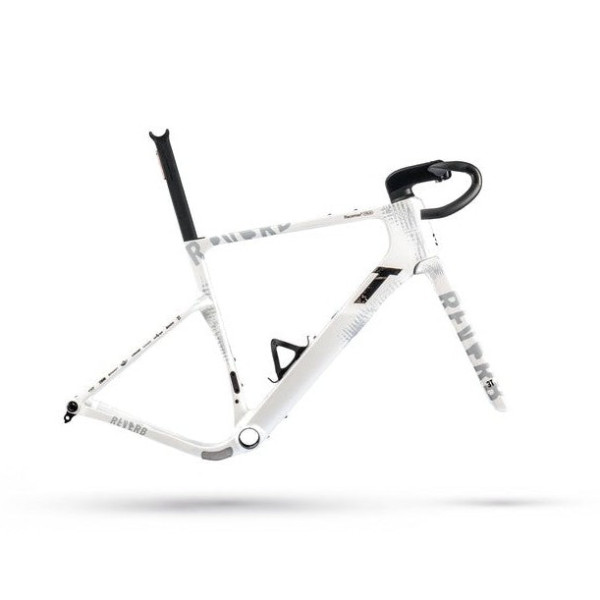
It’s also worth noting that some manufacturers—such as 3T and Colnago—offer carbon frames only.
How long can a carbon gravel bike last?
With proper use and maintenance, a carbon gravel bike can last around 8–12 years or even longer. Carbon fiber doesn’t “fatigue” in the same way metal can—long distances and rough roads aren’t a problem for it, and regular cleaning helps prevent minor damage from becoming an issue.
Comfort and ride feel: carbon fiber vs aluminum
On gravel, the difference between carbon and aluminum is usually easy to notice. Carbon bikes offer excellent vibration damping, resulting in a smoother ride with less fatigue—especially on longer routes where tiredness builds gradually.
Aluminum bikes are naturally stiffer, so you feel a more direct connection to the surface and its imperfections. Some riders see that as a downside, while others consider it a positive.
Conclusion: aluminum or carbon frame?
When choosing between an aluminum and a carbon gravel frame, the most important thing is to match the bike to your needs. If you want durability, versatility, and strong value, aluminum is an excellent choice. If your priorities are low weight, comfort, and long-distance riding, carbon fiber is worth considering.
If you’re unsure, it’s always a good idea to speak with specialists. At the VELONOVA store at J. Baltrušaičio g. 1, Vilnius, you can test different models and make a decision based on real ride feel, not just specifications. You can also reach out online—together we’ll help you choose the gravel bike that fits you best.

 Gifts
Gifts Discounts



/Rėmai/3T_primo_1386-600x600.jpg "3T Racemax WPNT Integrale Frameset | Camo")
/Rėmai/3T_primo_1392-600x600.jpg "3T Racemax WPNT Integrale Frameset | Indaco")

/Rėmai/3T_primo_1369-600x600.jpg "3T Racemax WPNT Integrale Frameset | Mare")
/Rėmai/3T_primo_1377-600x600.jpg "3T Racemax WPNT Integrale Frameset | Malva")


-1000x562.jpg "Aero handlebar: is it worth the investment?")