Women’s bike – a marketing concept or a genuinely functional choice? The answer is not that simple. Gender-specific bicycles have existed for a long time, as we will discuss later, but choosing a bike should not be based solely on whether it is labelled for men or women.
The most important characteristic of any bicycle is simple – comfort. Is the bike easy to pedal? Does your back remain comfortable while riding? Can you easily reach the pedals and handlebars? Is the saddle suitable for your body? Questions like these make it clear that bike geometry is one of the most important factors when choosing the right bicycle.
Since everyone has different body proportions regardless of gender, dividing bicycles into only two categories and expecting a men’s bike to always fit a man and a women’s bike to always fit a woman is overly simplistic. So why does the concept of a women’s bicycle exist in the first place?
Where Did the Idea of Women’s Bikes Come From?
The history of bicycles designed for women dates back to the 19th century. At the time, it was uncommon for women to wear trousers, so bicycles had to accommodate long skirts.
This led to the development of low-step bicycle frames that made it easier for women to get on and off a bike while wearing long, flowing skirts. It was a practical and functional design solution. In the 21st century, this requirement is far less relevant, although step-through bicycles are still widely used and it is certainly still possible to see cyclists riding while wearing long skirts.
As bicycles and cycling technology developed, manufacturers also began experimenting with other aspects of bike geometry that could better suit the average female body shape, such as shorter height, arms, and torso. These changes included narrower handlebars, shorter crank arms and brake levers, shorter stems, women-specific saddles, and suspension systems designed for lighter riders.
The goal was understandable – to create bicycles better suited to roughly half of the world’s population. But have these gender-specific design approaches really proved necessary?

Do Men and Women Really Need Different Bikes?
Men and women do not necessarily need different bicycles. On average, women tend to be shorter and have a smaller build than men, but does that really justify dividing bikes by gender?
Gender-based bike categories can significantly limit choice. Not every woman wants to ride a stereotypical women’s bicycle, and exactly the same applies to men.
The general consensus is therefore simple – first and foremost, a bicycle should be comfortable for the person riding it. Today, there is a huge variety of bicycle types, sizes, and frame geometries available. What matters most is that the bike fits the rider’s body proportions, including leg, torso, and arm length. Gender itself plays only a minor role.
Today, most bicycle shops primarily offer unisex bikes suitable for both men and women. Instead of separating bicycles by gender, manufacturers increasingly offer different frame sizes. This provides greater flexibility for both retailers and customers: riders are not restricted by gender labels and can choose whichever bike fits them best, while retailers can offer the same bicycle model to a much wider range of customers.
Why Are Bicycle Manufacturers Moving Away From Men’s and Women’s Bikes?
When you see cyclists riding past, how often do you actually think of a bicycle as being specifically for men or women? Most people probably do not consider this distinction at all, and many modern bicycle manufacturers take a similar approach.
Every person has different body proportions, even among people of the same gender, so it is much more practical for bicycle manufacturers to offer a broad range of frame sizes rather than separate bikes by gender. Depending on the type of bicycle, size ranges can be extremely wide, from 5XS all the way to 2XL.
It is also important to remember that bicycle components can be changed and adjusted relatively easily. Depending on the type of bike, there are many possibilities. Larger components such as the handlebars and saddle can be replaced, while smaller parts such as crank arms or brake levers can also be adapted. The same bicycle model may therefore suit both a taller man and an average-height woman. For this reason, many manufacturers increasingly avoid gender-based bike classifications.
Bike Geometry: What Really Affects the Ride?
We have already established that neither a “men’s” nor a “women’s” label will necessarily help you find the best bicycle. So what should you actually pay attention to when choosing a bike?
You do not need to understand every bike geometry measurement, but knowing the following key terms can help you understand what affects riding comfort, handling, and position:
- Stack – the vertical distance from the bottom bracket to the top of the head tube. A higher stack generally supports a more upright and comfortable riding position, while a lower stack is commonly associated with a sportier and more aerodynamic position.
- Frame reach – the horizontal distance from the bottom bracket to the centre of the upper part of the head tube. Choosing the correct reach helps create a comfortable riding position and can reduce excessive strain on the back.
- Rider reach – the distance a cyclist needs to reach the handlebars while seated on the bicycle.
- Top tube length – the length of the bicycle’s upper frame tube. Put simply, it influences how stretched out your riding position feels.
- Head tube angle – an important geometry measurement that influences steering stability and manoeuvrability. A steeper angle generally provides quicker, more responsive steering, while a slacker angle can improve stability over rough terrain and at higher speeds.
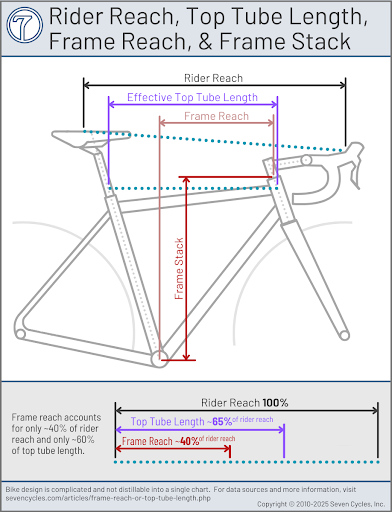
It is important to ask yourself what kind of riding you plan to do. Is speed your priority? Do you value agile handling, or are comfort and stability more important? These characteristics are heavily influenced by bicycle geometry.
Of course, you do not need to know exactly which frame size and geometry are perfect for you before buying a bicycle – a bike specialist can carry out the necessary assessments and measurements. However, the more you understand about bicycle geometry, the clearer it becomes that dividing modern bikes purely by gender is often unnecessary for both manufacturers and customers.
How Technology Is Changing Bike Sizing
Bicycle technology continues to develop just like technology in many other industries. Today, riders can buy or build bicycles tailored closely to their individual needs. Let’s look at two modern approaches used to find the right bicycle setup.
Bike Sizing
When we talk about bike size, we are primarily referring to the bicycle frame. The appropriate frame size is selected according to factors such as your height and inseam length. Choosing the right frame is not only about comfort – it can also help reduce the risk of injury, improve cycling efficiency, and minimise discomfort after long rides.
Bike Fit
Almost every bicycle can be adjusted by changing components and adapting them to the rider’s needs and body measurements. You can adjust saddle height or replace the saddle, change handlebar height or the handlebars themselves, adjust brake lever reach if the controls are difficult to access, and make many other modifications. Just like choosing the correct frame size, these adjustments can be important for improving cycling performance, increasing comfort, and reducing the risk of injury.
Different Bike Sizes: Road, MTB, Gravel and Hybrid Bikes
We have already discussed bicycle sizing in detail, but it is important to remember that sizing systems are not universal across different bike categories.
Here is what you should know about sizing for the main types of bicycles:
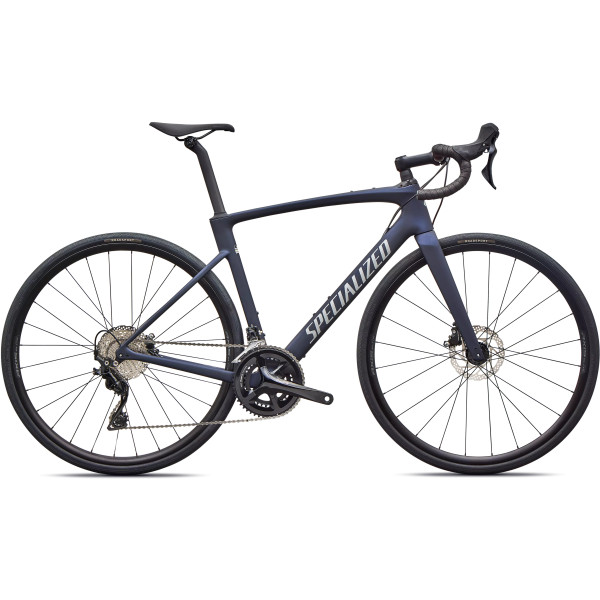
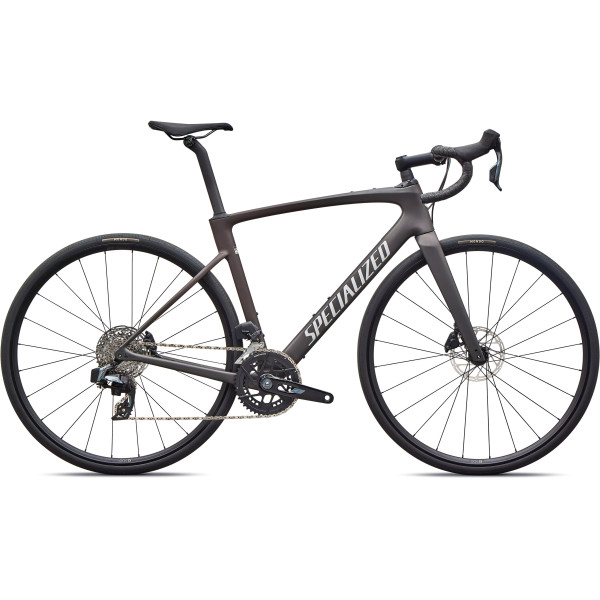
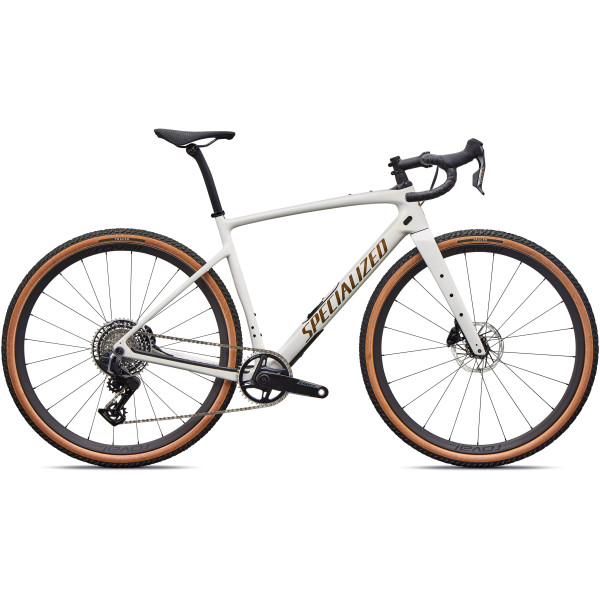
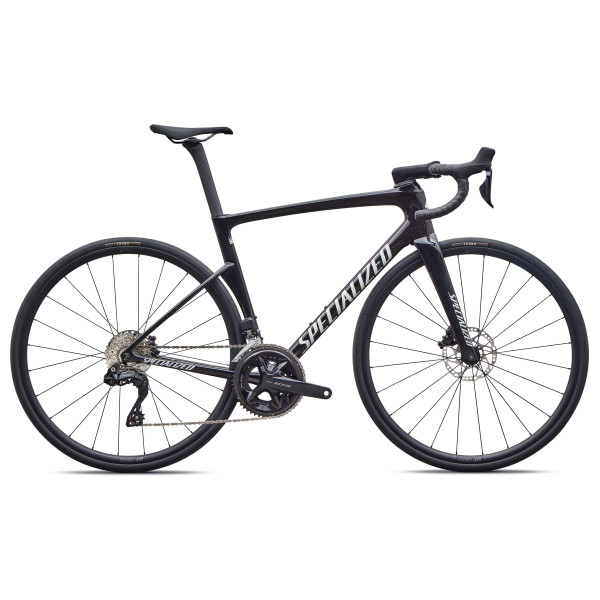
- Road bikes often have a wide range of sizes expressed in centimetres, such as 52 cm, 54 cm, or 56 cm. Traditionally, these sizes are associated with frame measurements such as seat tube length, and choosing the right road bike generally requires more precise fitting.
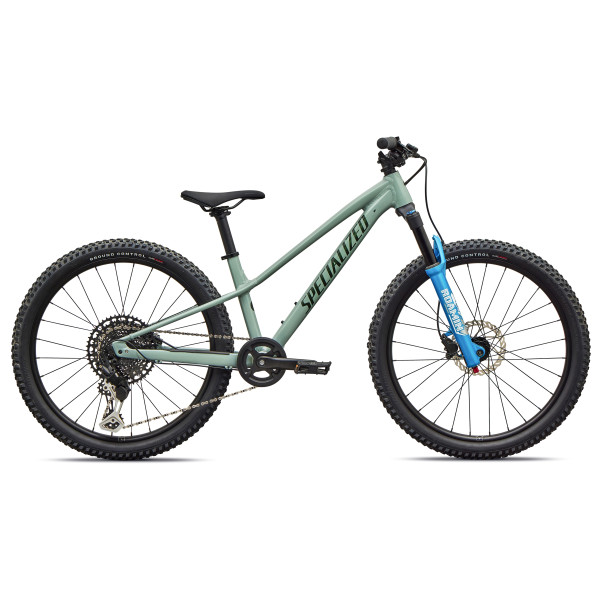
- Mountain bikes often use a simpler size range than road bikes, typically based on an XS–XL scale.
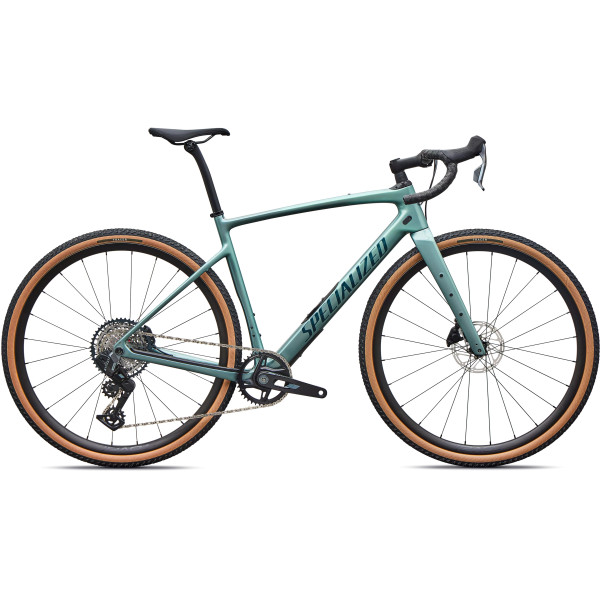
- Gravel bikes do not use one universal sizing system. Depending on the brand, frame size may be expressed in centimetres or with an S/M/L-based scale.
- Hybrid bikes commonly use an S/M/L/XL sizing system. As expected from a hybrid bicycle, their sizing approach often falls somewhere between road, mountain, and other recreational bike categories.
Height is therefore one of the main measurements used to choose the correct bicycle size, but inseam length is equally important. We will look at this in more detail in the next section.
Height and Inseam Length: Two Key Measurements for Choosing the Right Bike Size
Put simply, two of the most important body measurements when choosing a bicycle are your height and inseam length.
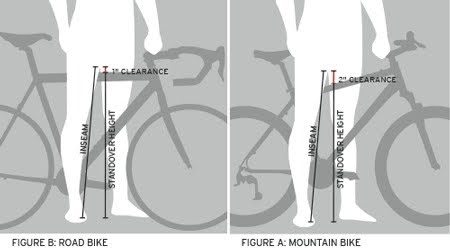
Inseam length is particularly important for getting on and off the bicycle comfortably and safely. The frame should not be excessively high, as sufficient clearance helps improve comfort and reduce the risk of injury when mounting or dismounting the bike.
It is also important to remember that different types of bicycles use different frame designs. Mountain bikes and city bikes, for example, often provide more clearance between the top tube and the rider’s crotch. When choosing a bicycle, this standover clearance should generally be at least 2.5–5 cm.
Knowing your height and inseam length makes it much easier to choose an appropriate frame size, regardless of the type of bicycle you are considering.
Frequently Asked Questions
Are Women’s Bikes Smaller Than Men’s Bikes?
Many manufacturers no longer divide bicycles strictly into men’s and women’s models. Instead, bikes are offered in a range of frame sizes so riders of different heights and body proportions can find a suitable option regardless of gender. For comfortable and efficient cycling, it is more important to choose the correct bike size and geometry and adjust the bicycle properly to the rider.
Why Is It Important to Fit a Bike to Your Body Proportions?
Proper bike fit based on body proportions such as leg, torso, and arm length is about more than comfort. A correctly adjusted bicycle can provide a more comfortable pedalling position, help reduce back and other body discomfort after long rides, improve cycling efficiency, and reduce the risk of injury.
What Should You Consider When Choosing a Bike Size?
When choosing a bicycle size, the two most important body measurements are your height and inseam length. You should also consider the type of bicycle you are buying, whether it is a road, MTB, gravel, or hybrid bike. Different bicycle categories use different sizing systems and frame geometries.

 Gifts
Gifts Discounts