Menu
0
Liked

Gravel or hybrid bike: which one should you choose?

Gravel or hybrid bike: which one should you choose?
2026-04-14 Viktorija Kaupienė

At first glance, both may seem versatile, but choosing between a sporty gravel bike and a comfortable hybrid can determine whether you enjoy every kilometer—or struggle with your bike on the road.


If you're looking for a bike that rolls equally well on asphalt and isn’t afraid of forest trails, you’ve likely come across two categories: Gravel and Hybrid (city/fitness) bikes. While their purpose is similar, the riding experience can feel like night and day.

1. Handlebar and ergonomics: control vs aerodynamics

This is the key difference you’ll notice immediately:

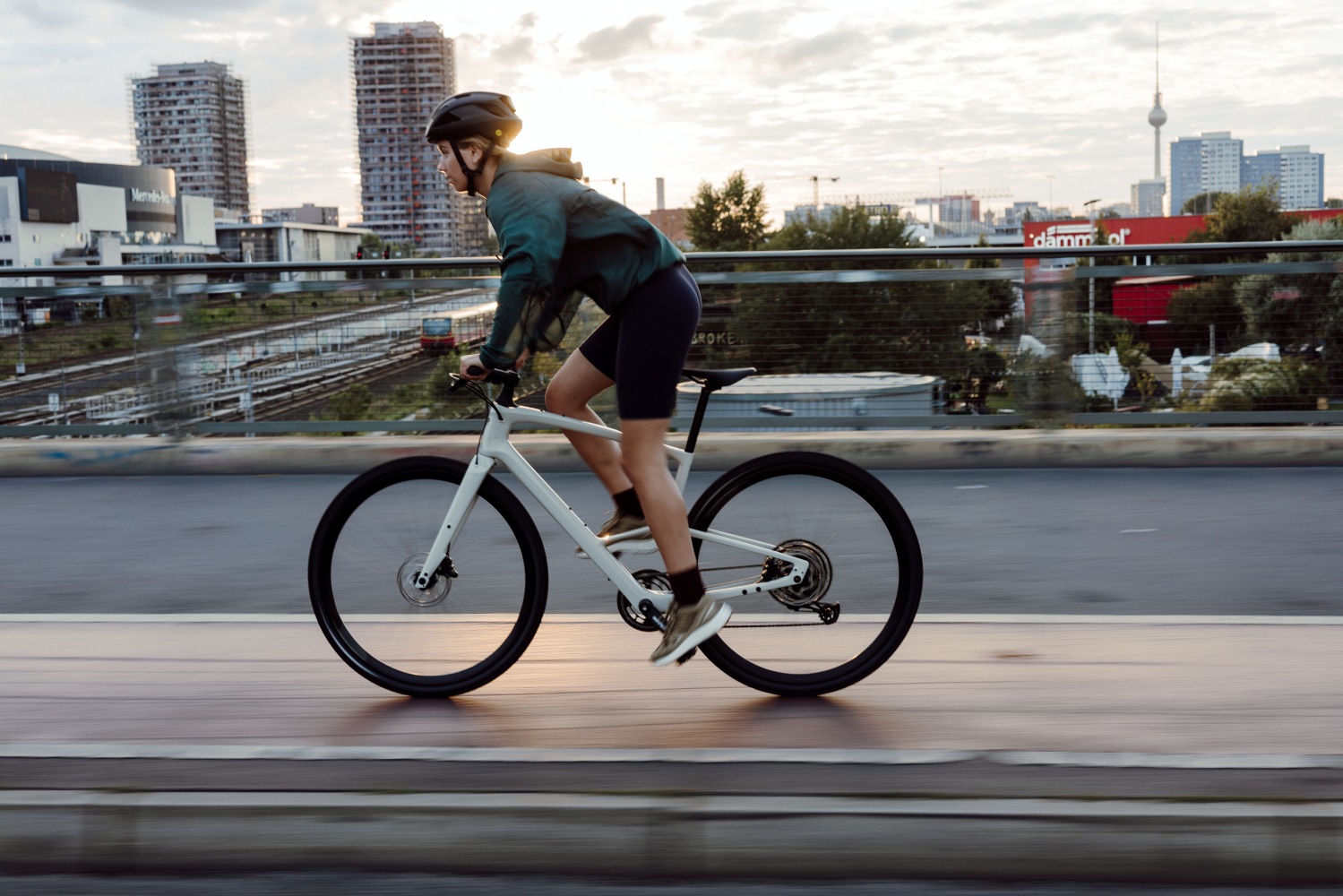
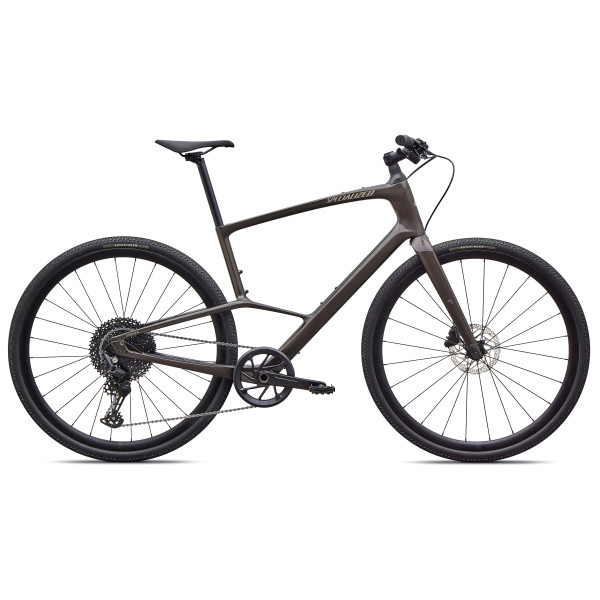
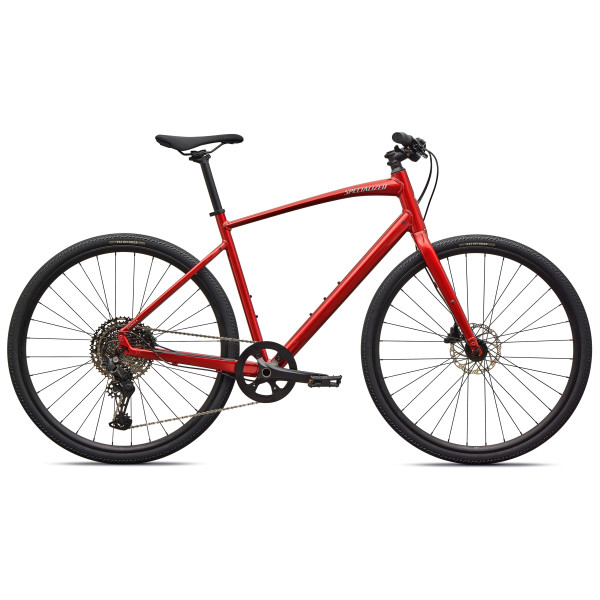
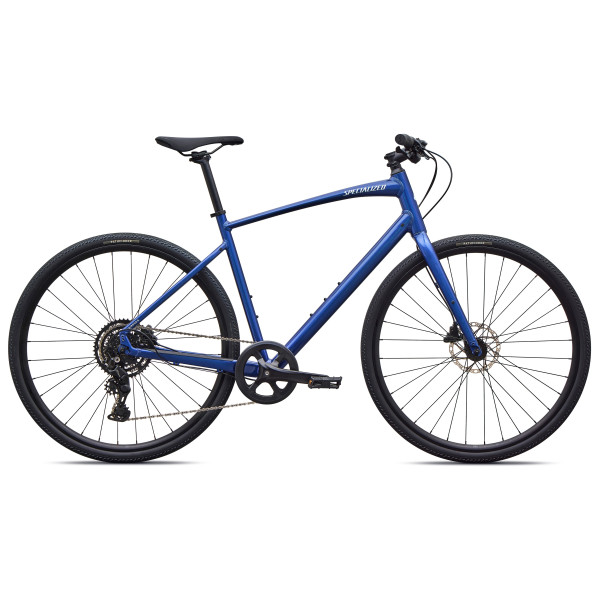
  • Hybrid bike (e.g., Specialized Sirrus X): features a flat handlebar. The riding position is neutral and semi-upright, meaning less strain on your wrists and neck, while providing excellent visibility in traffic. This is ideal for riders who don’t like leaning forward too much and want confident control in urban environments.
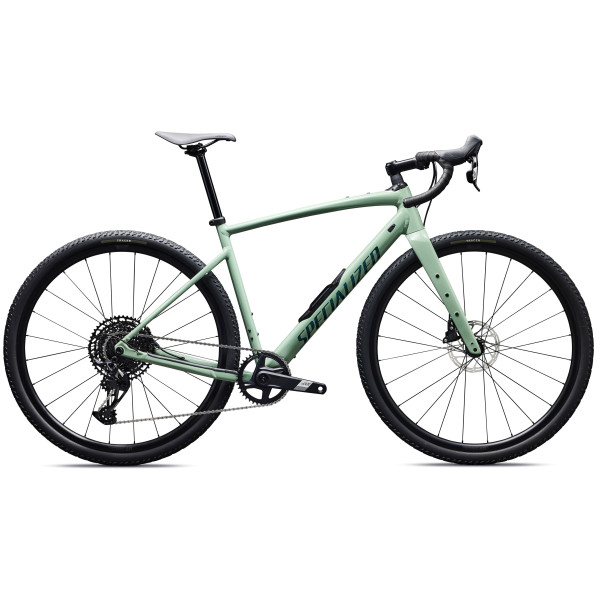
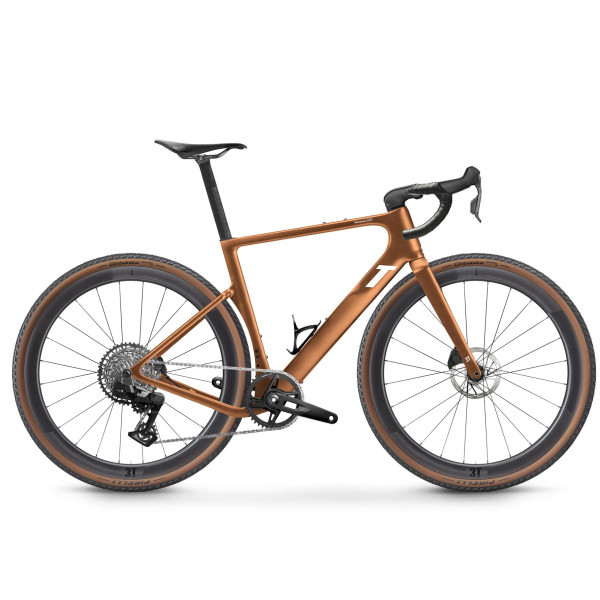
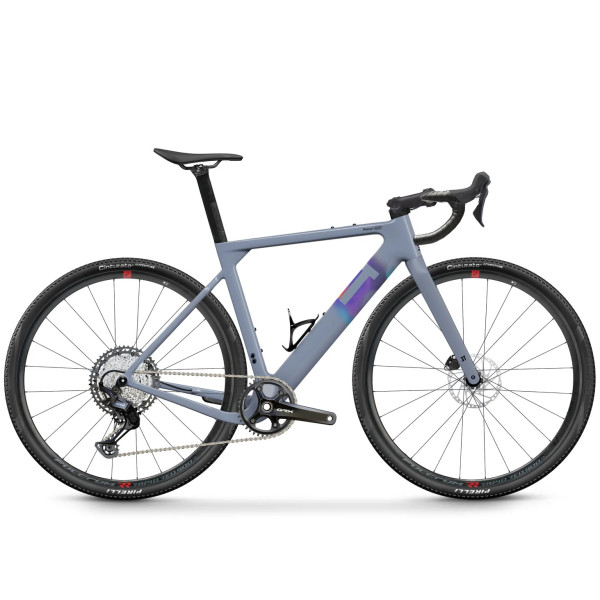
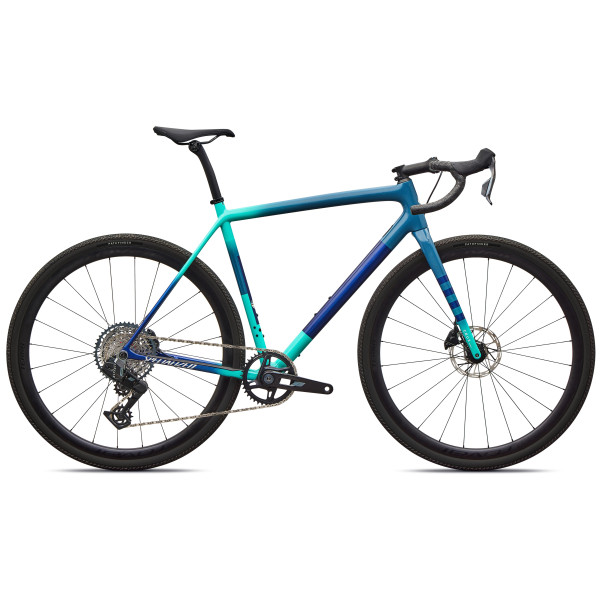
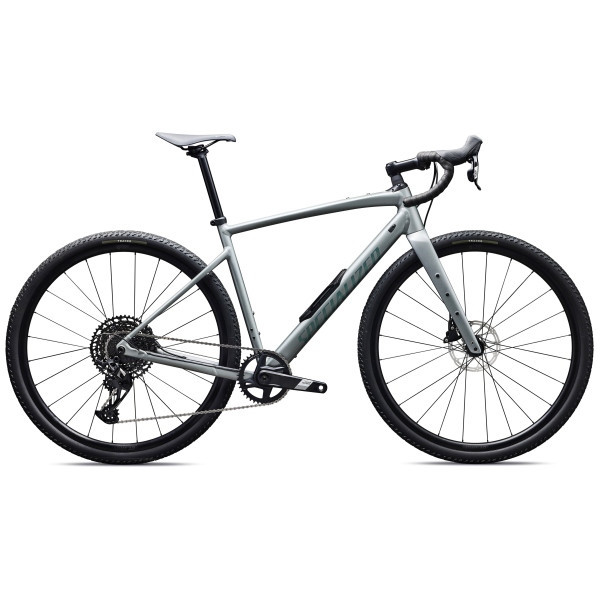
  • Gravel bike: uses a drop handlebar. The riding position is lower and more stretched (aerodynamic). While this helps you ride faster into the wind, it may feel unusual at first. However, multiple hand positions make it perfect for long-distance rides.
Woman riding a hybrid bike

2. Efficiency and speed

If speed matters, gravel bikes take the lead. They are lighter, have no suspension forks (which absorb part of your pedaling energy), and feature stiffer frames. Hybrid bikes are typically heavier and designed for relaxed riding rather than chasing personal records.


3. Suspension: not weight, but technology

Let’s forget traditional heavy suspension forks that only add weight and reduce efficiency. Specialized offers a much more advanced solution found in both categories:

  • Future Shock system: found in higher-end Fitness models (e.g., Sirrus X 4.0) and Gravel flagships (e.g., Diverge). This micro-suspension system, integrated below the handlebar, absorbs road vibrations directly under your hands while keeping the frame stiff and efficient. This allows you to ride faster with less fatigue, whether on rough asphalt or gravel.
  • Tire volume: the second “suspension” element. Gravel bikes typically allow wider tires (up to 47 mm or more), which act as additional cushioning on loose terrain. Fitness bikes use slightly narrower tires that roll faster on asphalt and offer better maneuverability in the city.

4. Drivetrain: simplicity vs versatility

The drivetrain determines how easily you climb and how the bike performs across different terrain. Here, both categories share modern trends:

  • 1x drivetrain (single chainring): increasingly common on both Gravel (e.g., Diverge) and Fitness (e.g., Sirrus X) bikes. It offers lower weight, fewer mechanical issues, and intuitive shifting—simply shift up or down.
  • Component groups: gravel bikes use groupsets designed for dirt and rough conditions (e.g., Shimano GRX or SRAM Apex/Rival) with clutch mechanisms to keep the chain stable. Fitness bikes often use road or higher-end MTB components optimized for smooth shifting on paved surfaces.
  • Gear range: gravel bikes typically offer a wider range of low gears for steep climbs or loaded rides. Fitness bikes are optimized for maintaining a comfortable cadence in urban environments.

5. Budget: what are you really paying for?

The price difference between gravel and fitness bikes usually comes down to technology and materials rather than bike type. Both can range from entry-level to high-performance machines.

  • Fitness investment: with flat bars and simpler controls, you often get higher-end components or a lighter frame for the same price. This makes it a rational choice for riders looking for value.
  • Gravel investment: drop bars and integrated brake/shift levers are more complex and expensive. Additional investment goes into frame durability and off-road capability—offering maximum versatility and long-distance potential.
  • What costs the most? in both categories, carbon frames, electronic drivetrains, and Future Shock systems significantly increase the price while directly improving ride quality.
Three men riding gravel bikes

Verdict: which one should you choose?

  • Choose a hybrid if you ride shorter distances in the city, prefer an upright position, want comfort over rough roads, and are looking for a more budget-friendly option.
  • Choose a gravel bike if you want one bike for everything, enjoy speed, plan longer weekend rides, and value lightweight performance and modern technology.

Still not sure? Visit the Velonova store—we’ll let you test both. A real ride will quickly show what suits you better: a sporty drop bar or a relaxed upright position.
Related Products

Related Posts

Is a gravel bike just a marketing trick?

Is a gravel bike just a marketing trick?

In this article, we’ll explain how a gravel bike differs from a road bike and a mountain bike, discuss wheel and tire options, its versatility for different routes, and its suitability for touring...


How do I choose a bicycle?

How do I choose a bicycle?

Choosing a bike these days can be harder than picking out a new car, so we’ve put together a simple guide to help you find the one bike that won’t just gather dust in your garage, amidst all the shiny frames and complicated jargon...

Choosing a bike: a guide to hybrid bikes

Choosing a bike: a guide to hybrid bikes

If you're looking for a versatile bike for commuting, outdoor riding and sports, here are some tips on how to choose the right hybrid bike for you...

Choosing a bike: the complete guide to Gravel bikes

Choosing a bike: the complete guide to Gravel bikes

Gravel bikes are one of the most versatile bikes because they can be ridden on a wide range of surfaces. With a bike in this category, you can easily adapt it to suit your needs, whether you're riding on gravel roads, off-road, city streets or forest paths. However, if you're interested in Gravel bi..