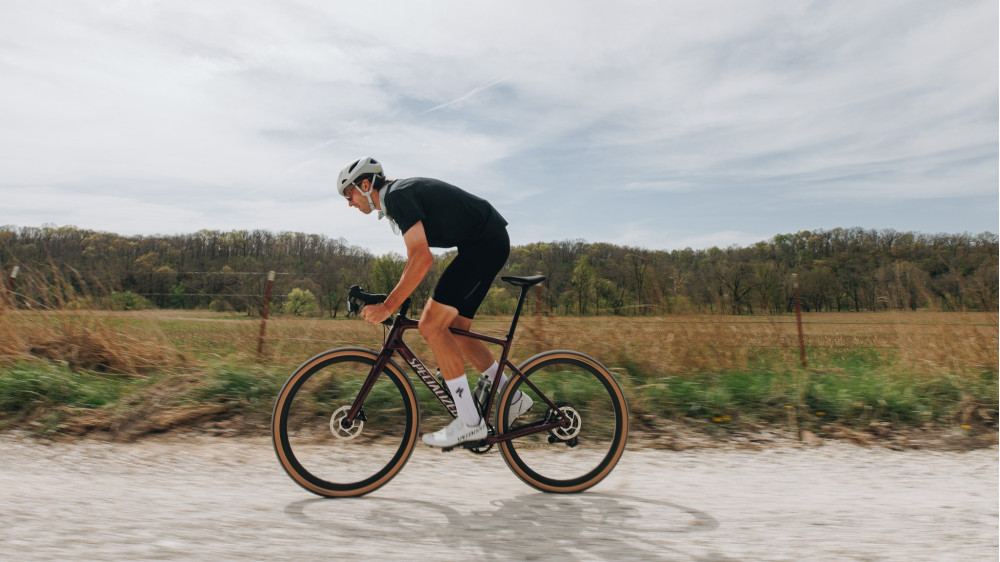
Skeptics often say that a gravel bike is just a repackaged 90s mountain bike. At first glance, it may seem like nothing more than a marketing trick.
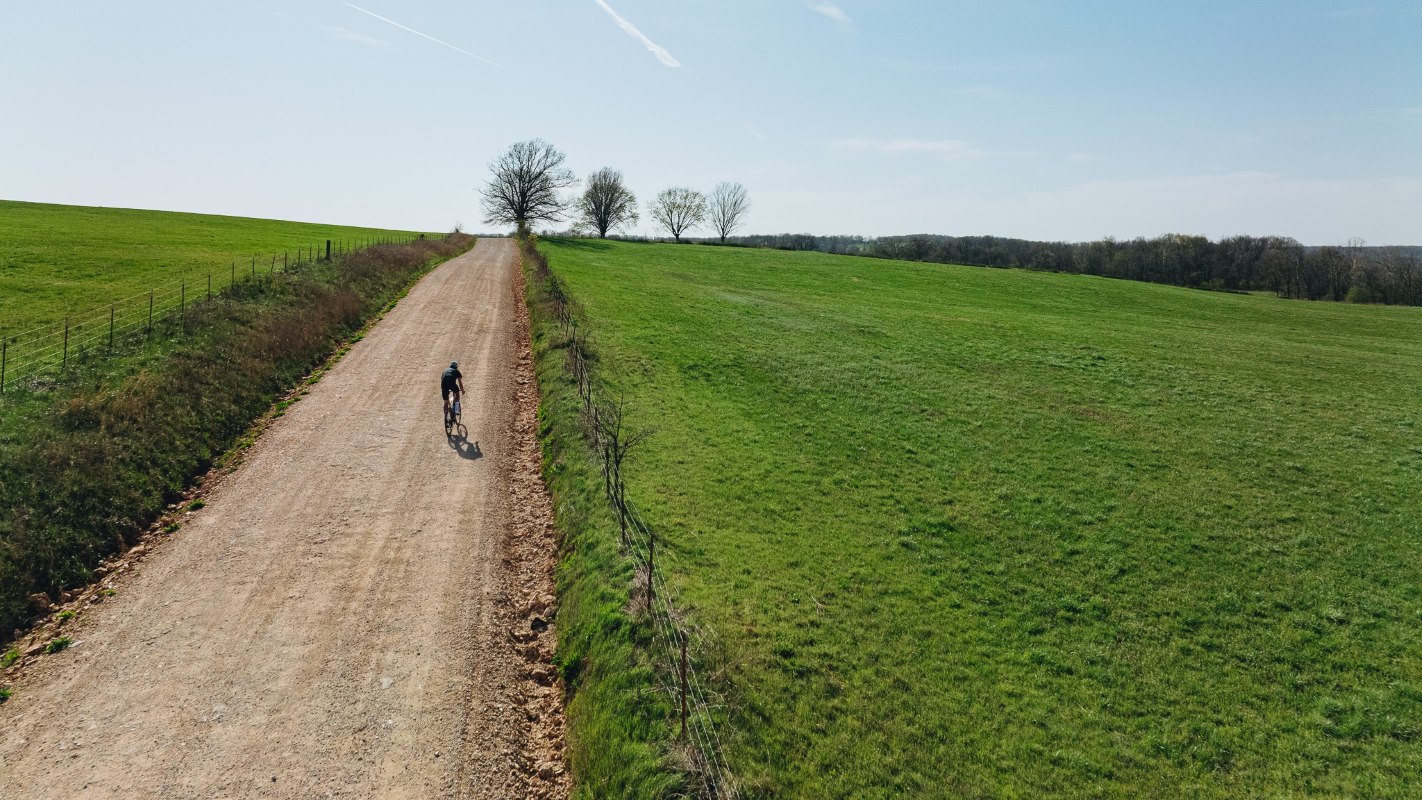
However, after just a few days riding on gravel roads or forest trails, your perspective quickly changes. You begin to understand why this category of bikes was created. Gravel bikes weren’t designed for marketing—they were built so cyclists no longer have to choose between a road bike and a mountain bike.
That said, not all gravel bikes are the same. Models range from comfort-oriented to faster, race-focused designs. In most cases, versatility—not maximum speed—becomes the key factor when choosing a gravel bike.
In this article, we’ll explain in simple terms whether a gravel bike truly deserves the title of the most versatile bicycle.
Versatility: why choose a gravel bike over an MTB?
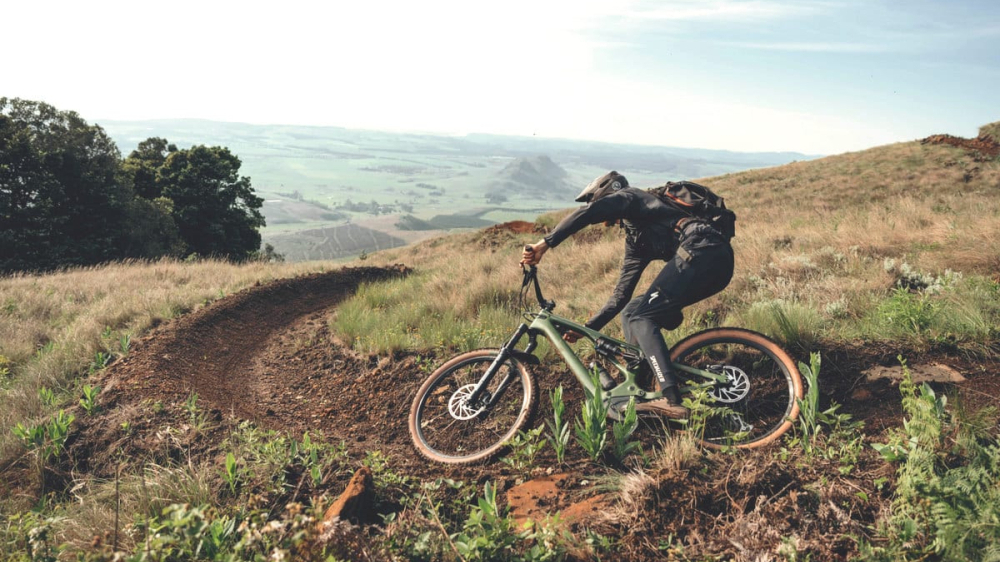
Every bike has its strengths. A mountain bike (MTB) is unbeatable on true off-road terrain—where rocks, roots, and steep descents dominate. A road bike, on the other hand, is designed for maximum speed on smooth asphalt.
In Lithuania, highly technical trails are relatively rare, and most cyclists prefer mixed routes—combining asphalt, gravel, and forest roads in a single ride.
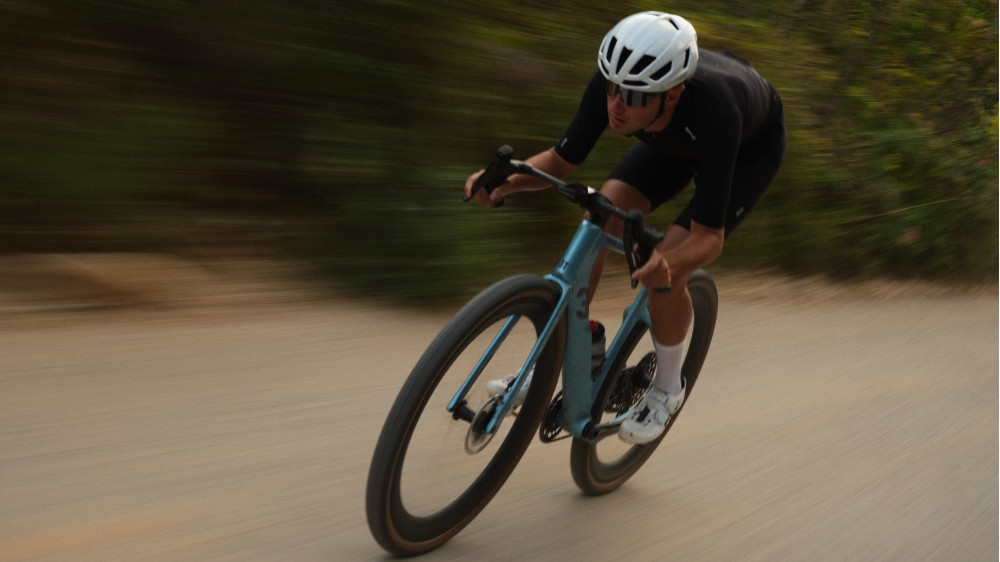
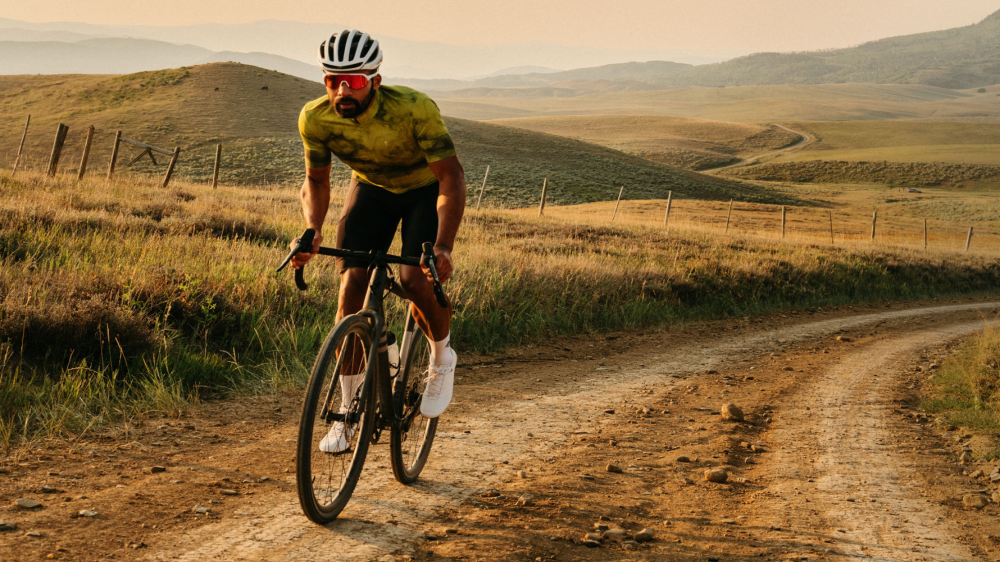
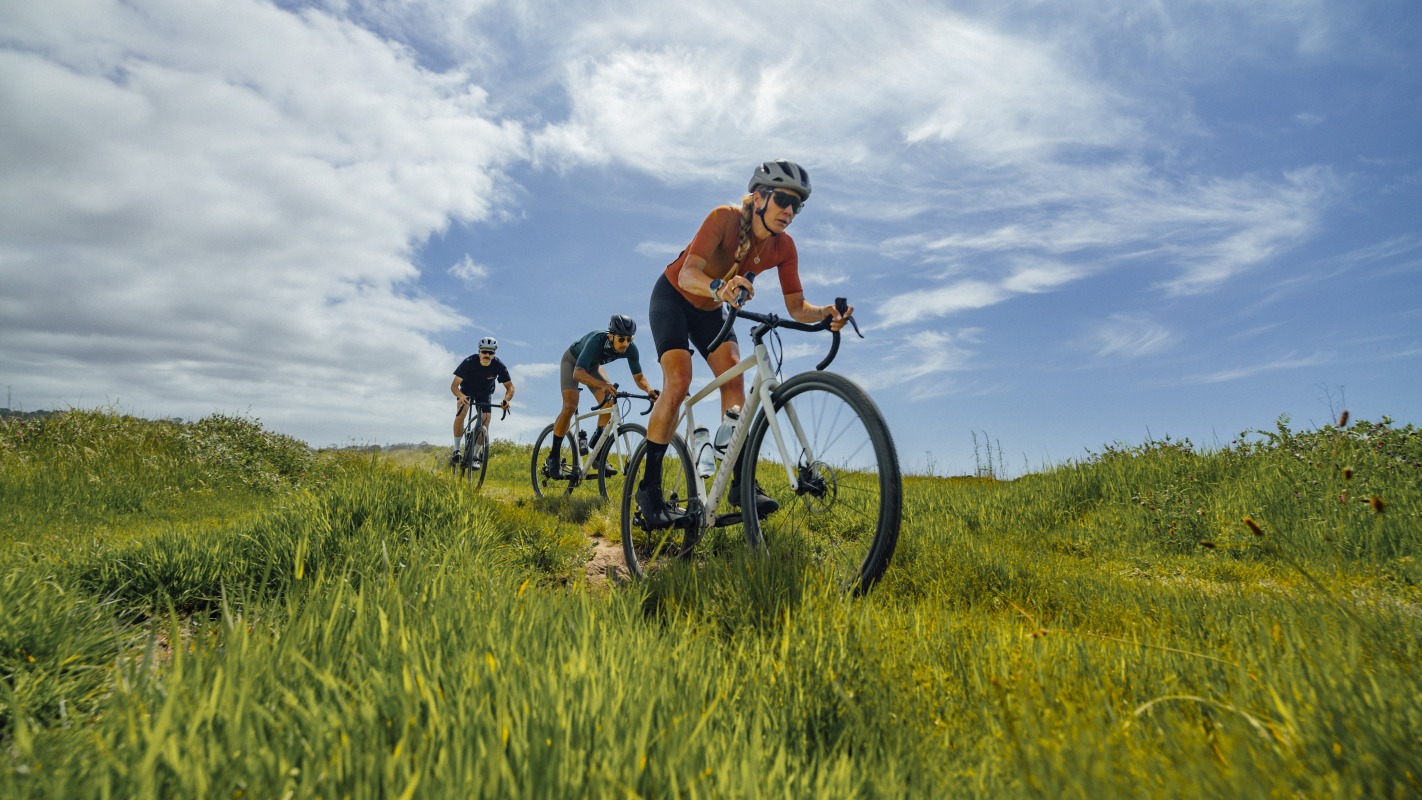
This is where gravel bikes truly shine. They allow you to ride fast on pavement while confidently tackling gravel roads or forest paths. You don’t have to compromise one terrain for another. Of course, models differ—some are closer to road bikes, while others offer more stability and feel closer to an MTB.
Wheels and tires: 700c or 650b?
Another key advantage of gravel bikes is the ability to easily change the bike’s character by swapping wheels and tires.
- 700c wheels with narrower tires deliver a road bike feel—faster and more efficient rolling on asphalt.
- 650b wheels with wider tires provide more comfort and grip on rough terrain—closer to the feel of a mountain bike.
From experience, tires often make a bigger difference than weight or aerodynamics. The same bike can be adapted for different routes—from fast road rides to gravel adventures.
Freedom to change routes
You’ll notice the real benefits of a gravel bike in everyday riding situations, especially when plans change.
If weather conditions shift or part of your route becomes inaccessible, riding back on asphalt with an MTB can be slower and less efficient. With a gravel bike, the difference is minimal—you can maintain a pace close to a road bike.
Gravel bikes give you the freedom to adapt your route on the fly—turn onto a gravel road or avoid a rough asphalt section. On longer rides, this flexibility becomes especially valuable, allowing you to plan less and enjoy the ride more.
Perfect for longer bikepacking trips
Many gravel frames feature multiple mounting points for bags, making them an excellent choice for bikepacking adventures.
With quality bike bags, you can distribute weight efficiently and carry everything you need for multi-day trips.
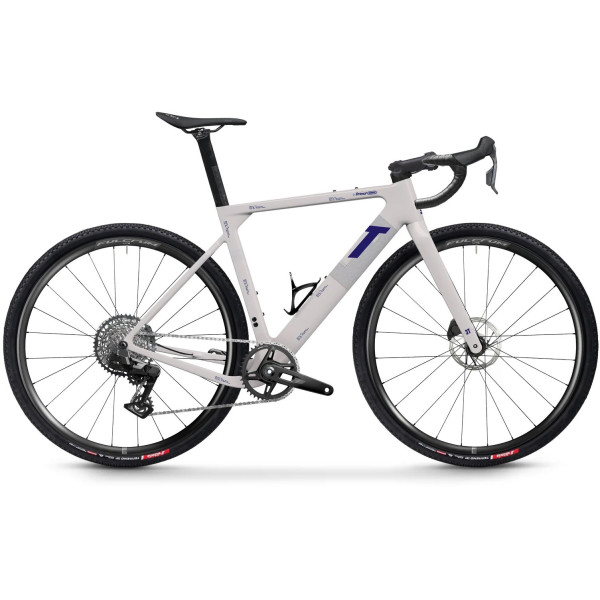
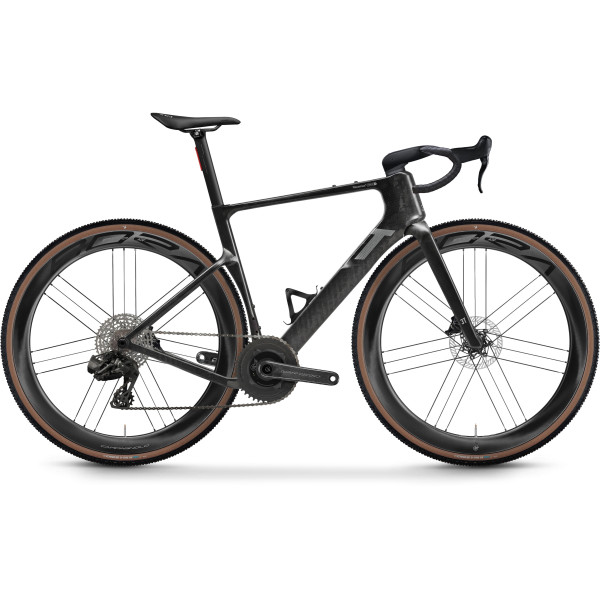
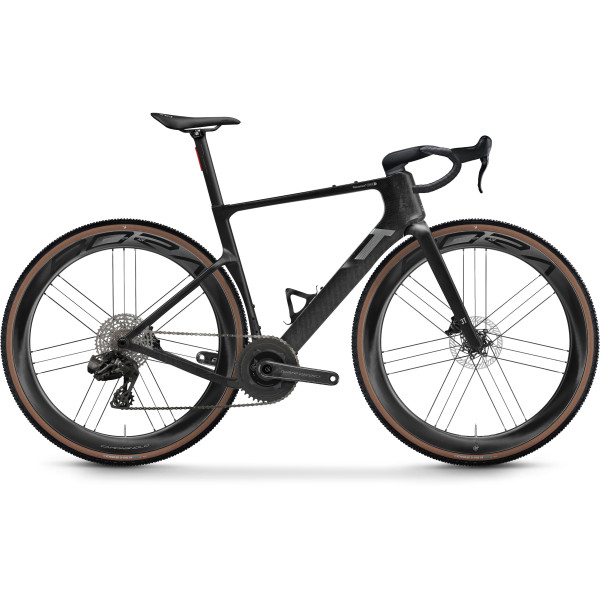
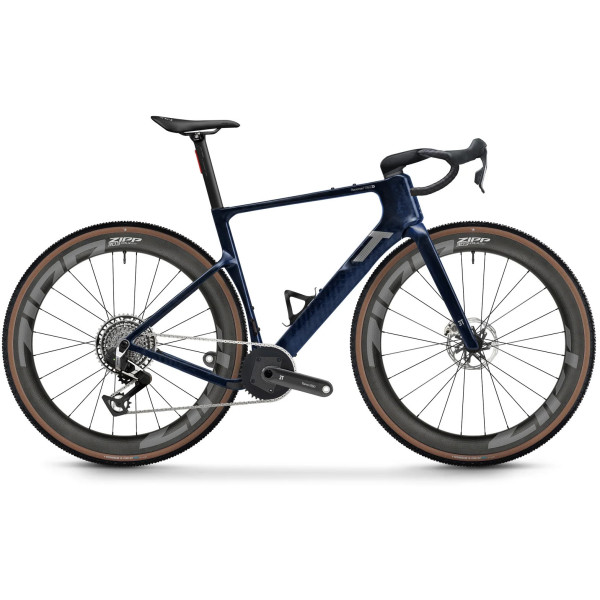
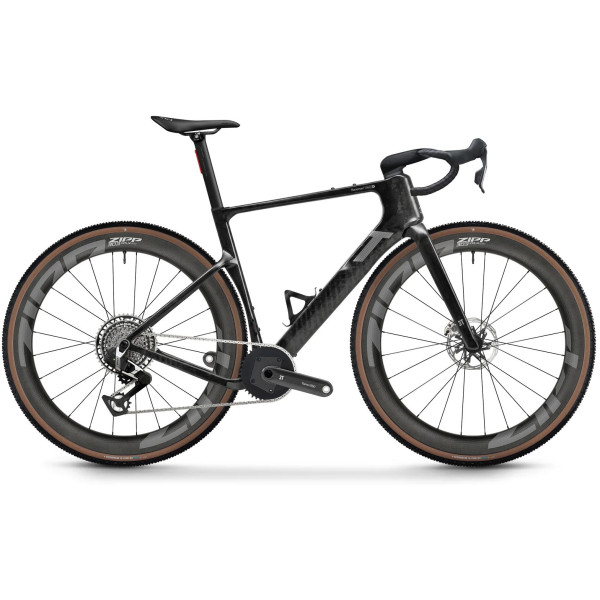
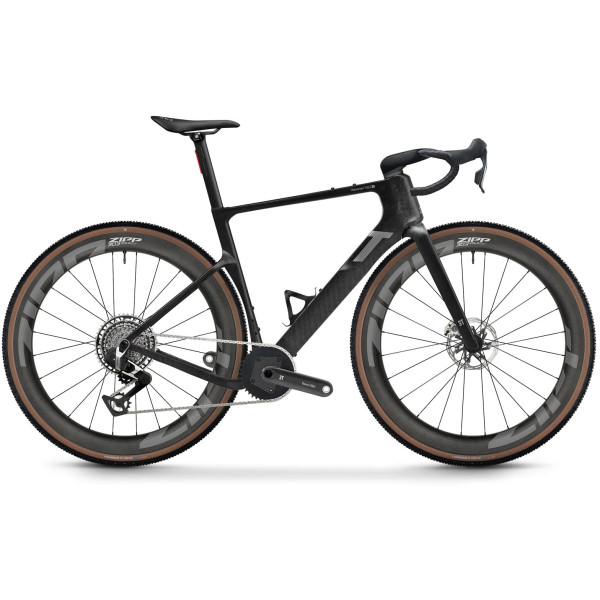
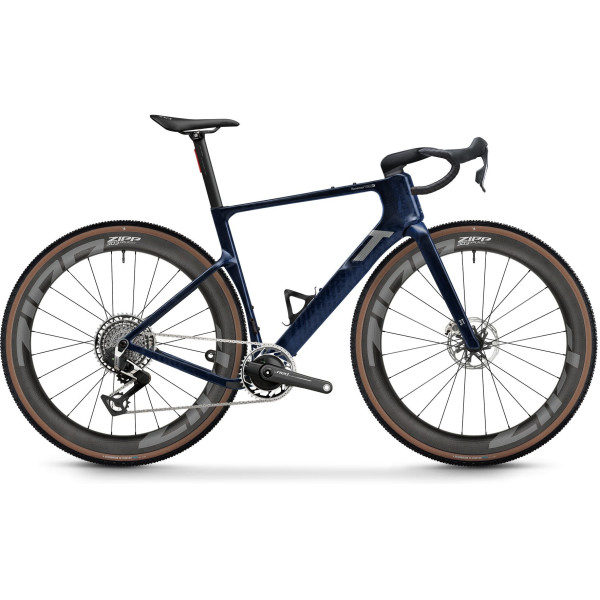
Some models, such as Specialized Diverge or 3T Racemax, even feature integrated storage compartments inside the frame.
Conclusion: trend or necessity?
Gravel bikes may have started as a trend, but today they clearly fill the gap between road and mountain bikes. If you ride mixed terrain or plan longer cycling trips, a gravel bike is one of the most versatile options available.
FAQ: frequently asked questions
Is a gravel bike suitable for technical MTB trails?
Gravel bikes are great for light to moderate trails, but for technical off-road terrain, an MTB remains the better choice due to greater control and suspension.
Is a gravel bike slower than a road bike?
Yes, but the difference is usually small—especially when using 700c wheels with smoother tires.
Is it worth having two wheelsets?
Yes—it allows you to adapt one bike for both road and gravel, maximizing its versatility.
Can you mount a rack on a carbon frame?
Some models allow it, but it’s always best to check the manufacturer’s recommendations. If mounting points are not available, consider frame and seat bags instead.

 Gifts
Gifts Discounts