The cycling world is evolving just as quickly as the tech industry. Manufacturers are constantly looking for ways to increase speed, improve comfort, and simplify how bikes are used and maintained.
In this article, we take a closer look at the innovations shaping the near future of road and gravel bikes—from wireless drivetrains and lighter components to smart glasses and AI-powered cycling computers that analyze your ride in real time.
Road bike revolution: wireless shifting and safety
As road bike design continues to move toward cleaner aesthetics, wireless drivetrains are expected to become the standard in most new models. SRAM has already established itself in this space, while leaked patent information suggests that Shimano may soon introduce its own solution—possibly even with 13-speed cassettes. The direction is clear: simpler systems, fewer cables, and easier maintenance.
More importantly, these systems don’t just improve looks—they transform the riding experience. Electronic shifting delivers precise, consistent gear changes regardless of weather or wear. This makes it easier to maintain a steady pace and stay in control, especially in fast group rides or technical descents.
At the same time, 1x drivetrains are becoming increasingly popular. With a single front chainring, they are simpler to use and maintain, reducing the risk of mistakes and contributing to a safer ride overall.

The return of lightweight road bikes
While aerodynamics remains important, there is a renewed focus on weight. A lighter bike offers clear advantages, especially in climbing and long-distance riding.
Manufacturers are responding with models built for minimal weight. One standout example is the SPECIALIZED AETHOS, known for its extremely low weight without compromising comfort or stability.
Weight savings don’t stop at the frame. TPU inner tubes are becoming more common—they are significantly lighter (22g–100g) than traditional butyl tubes (105g–180g), while still being easy to use. This makes them a simple upgrade to reduce rotating weight and improve ride feel.
Gravel bikes adopt race-driven aerodynamics
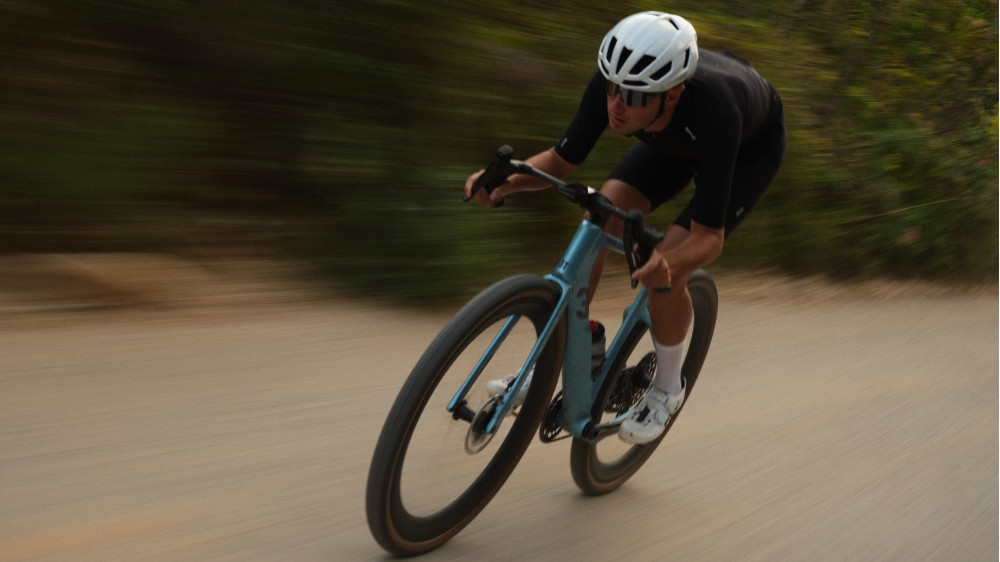
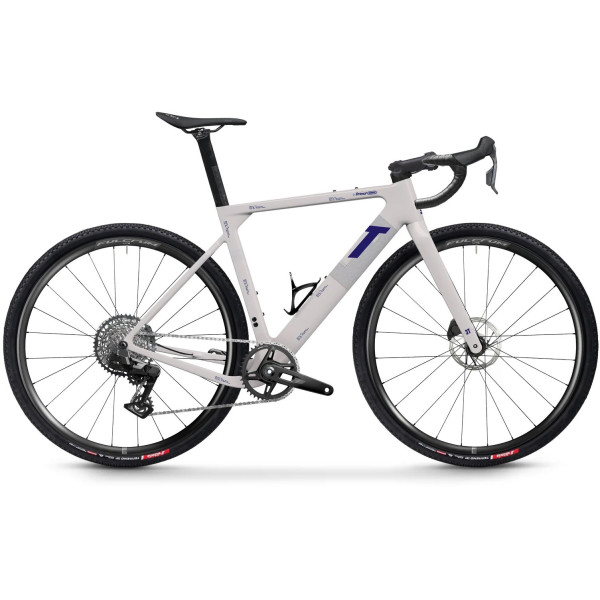
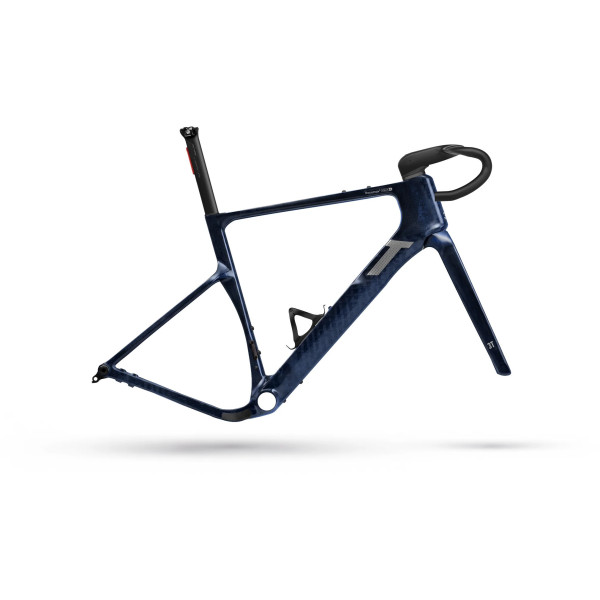
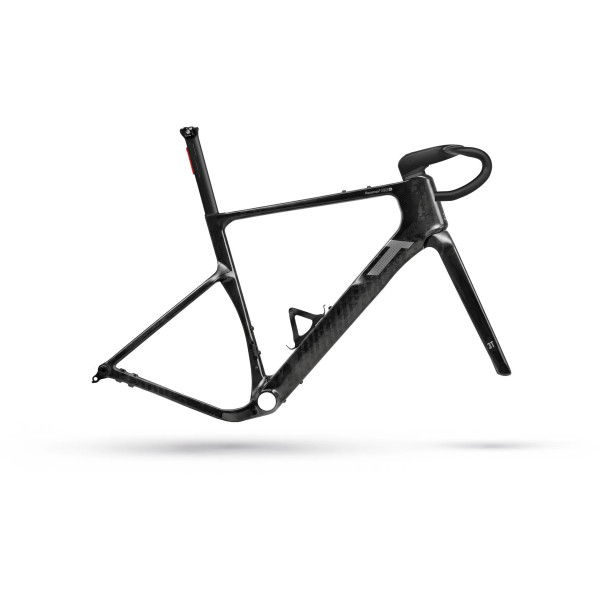
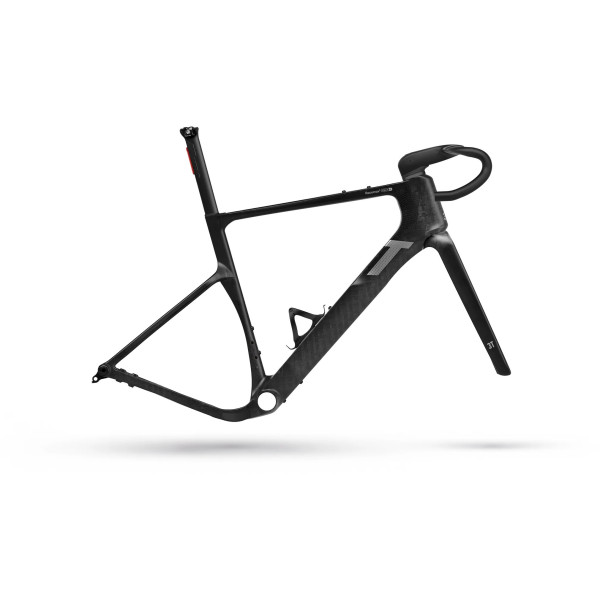
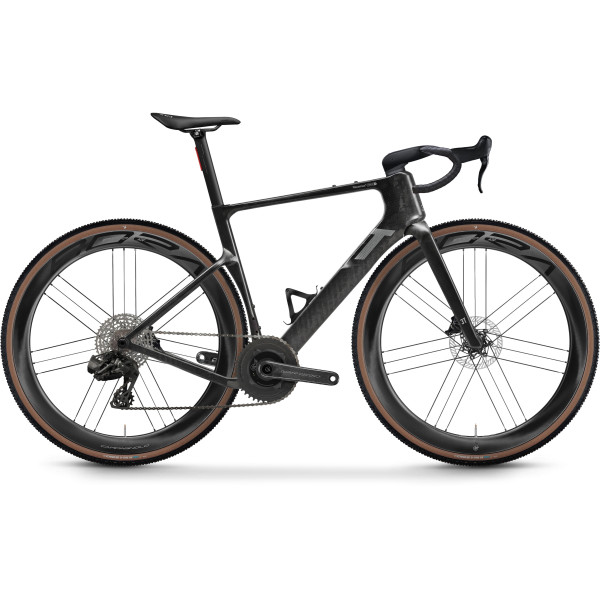
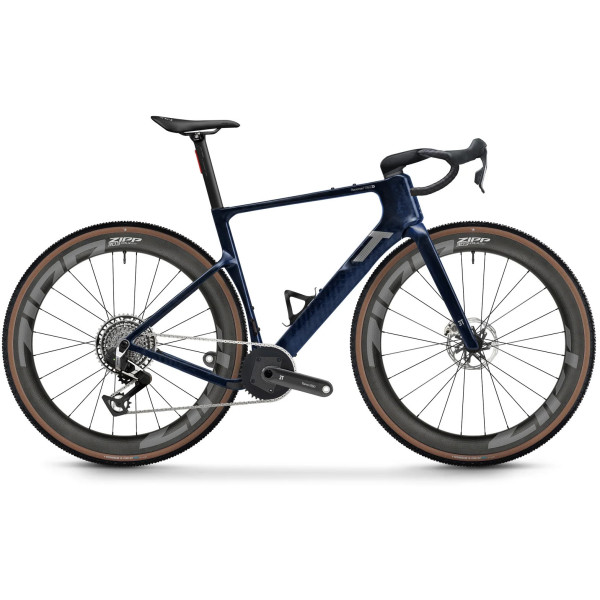
Similar trends are emerging in the gravel segment. While gravel bikes were once focused mainly on comfort and versatility, the growing popularity of racing is pushing performance forward. New models increasingly adopt road-inspired features such as integrated cockpits, hidden cables, and more aerodynamic frames.
These changes don’t take away from gravel bikes’ versatility—instead, they expand it. Modern gravel bikes remain capable off-road, but are now significantly faster and more efficient on asphalt sections where they used to fall behind road bikes.
Suspension forks and seatposts improve comfort
Gravel bikes are now more comfortable than ever, partly thanks to suspension technologies borrowed from mountain bikes. A good example is the Specialized Diverge range.
Suspension forks are becoming more common, helping absorb vibrations and maintain control on rough terrain. At the same time, innovations like suspension seatposts reduce fatigue by minimizing vibrations transferred through the frame. From experience, this can make a noticeable difference on longer rides.
Tire widths are also increasing, with 45–50 mm becoming standard. Wider tires provide better grip and puncture resistance. While they were once associated with slower speeds, modern designs allow riders to maintain strong performance even on challenging surfaces.
Tire inserts for more confidence on the road
As tires and wheels get lighter, punctures can become more common, especially on rough terrain. This is why more cyclists are turning to tire inserts.
Once considered niche, inserts are now widely used in both gravel and road cycling. They allow lower tire pressure for better grip while protecting the rim from impacts. Even in case of air loss, they help maintain stability, allowing you to ride safely or stop without losing control.
The future is here: AI glasses and smart computers
Technology is changing not just bikes, but how we ride them. One of the most exciting developments is smart glasses with integrated displays and AI features. These can show key data—speed, navigation, or alerts—directly in your field of vision.
However, widespread use is still limited due to cost and varying regulations across countries.
Meanwhile, cycling computers are becoming smarter. They not only display data but analyze your ride in real time—from terrain conditions to energy output. What once sounded futuristic is quickly becoming part of everyday cycling.
FAQ: frequently asked questions
Is it worth waiting for a 13-speed drivetrain?
If you’re planning to buy a bike soon—not necessarily. Current 12-speed systems perform extremely well. However, if you’re interested in the latest technology, it may be worth waiting to see how new developments unfold.
Do gravel bikes need suspension forks?
Not always. For many riders, wider tires and proper pressure are enough. Suspension forks are more beneficial on rough terrain or during longer rides.
Why choose TPU tubes over traditional ones?
TPU tubes are lighter and more compact, making them an easy way to reduce bike weight without switching to tubeless. However, they are usually more expensive than standard butyl tubes.

 Gifts
Gifts Discounts