A bicycle is more than just a means of transport or a piece of sports equipment. It’s freedom, wind in your face, and—let’s be honest—the best way to clear your mind after a stressful workday. But once you step into a store or open a catalog, all the terms can quickly become overwhelming: gravel, hardtail, full suspension, carbon...
So how do you avoid confusion and invest in something that will truly bring you joy? Here are the key tips to help you choose “the one”.
1. Ask yourself where you will ride most often
This is the most important question. Manufacturers divide bikes into categories for a reason—each one has its own geometry and specific technical solutions.
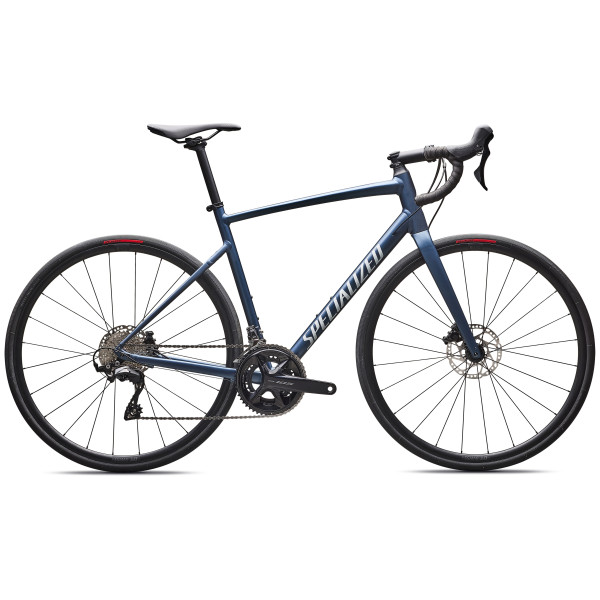
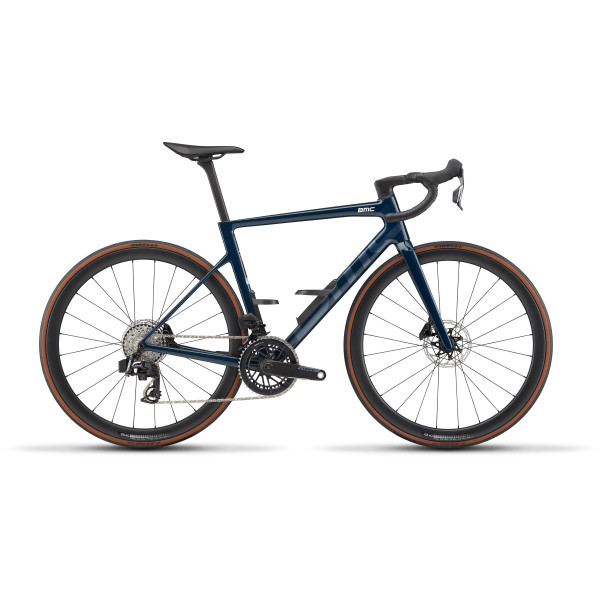
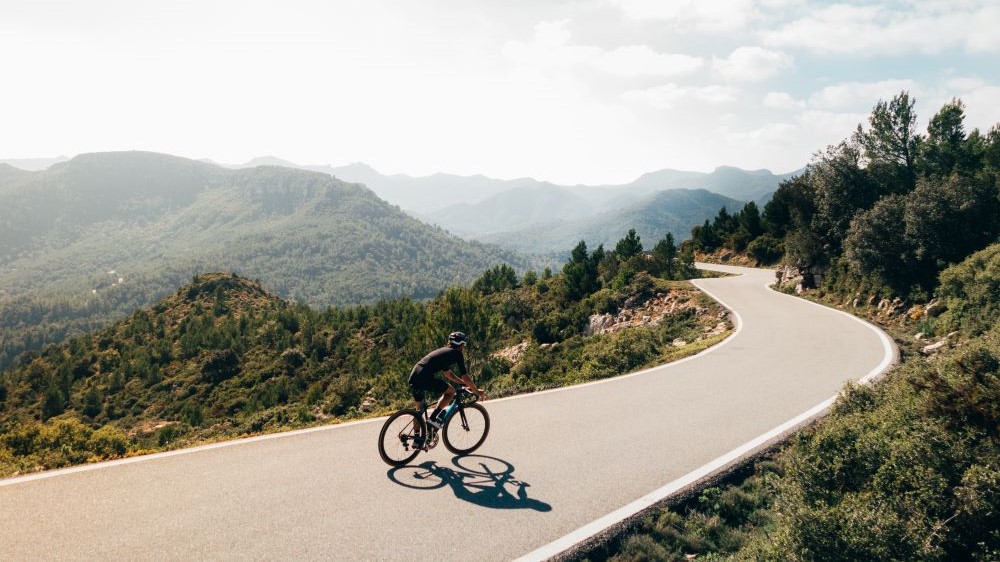
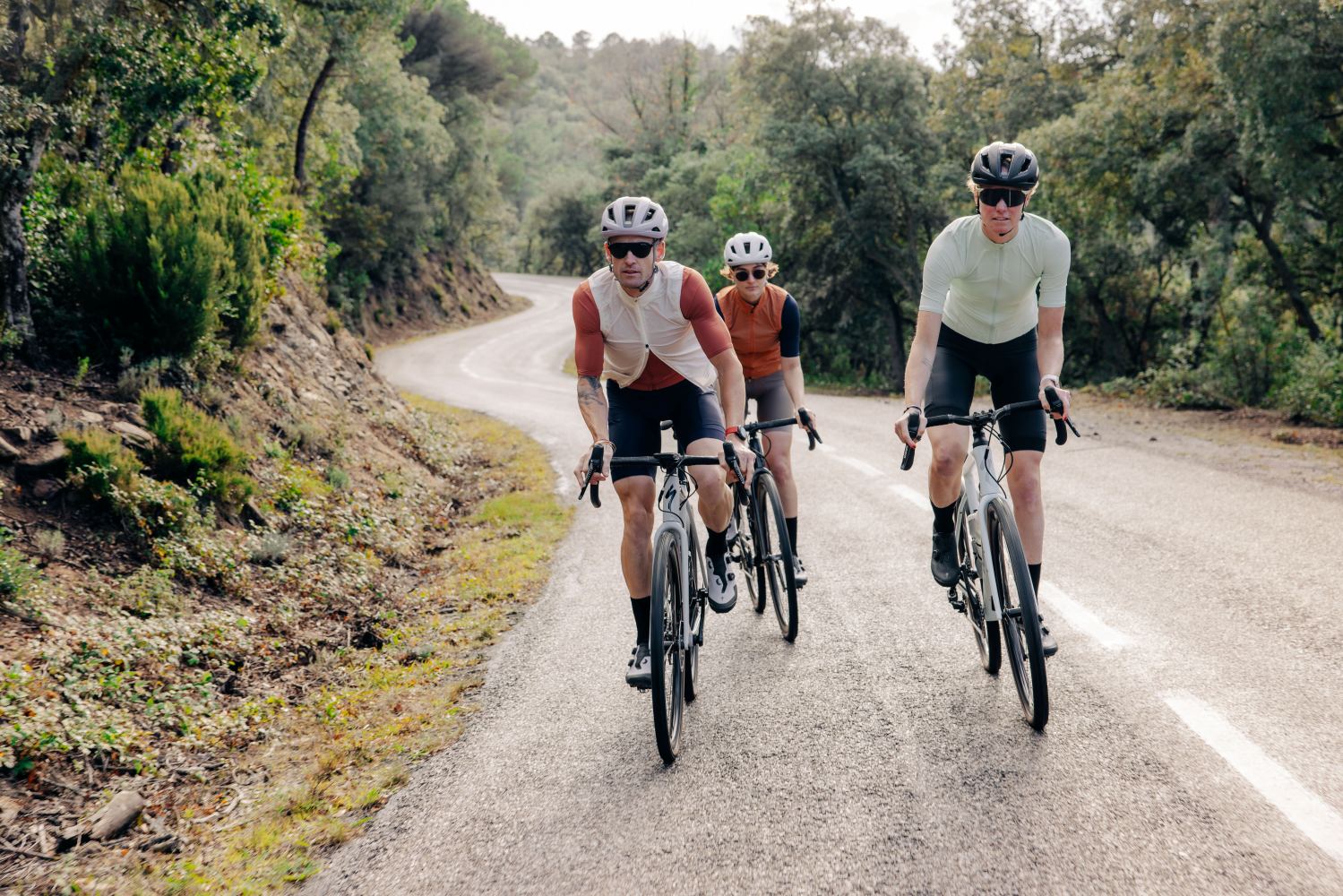
- Road bikes: if your passion is speed and smooth asphalt. Narrow tires, a lightweight frame, and an aggressive aerodynamic riding position.
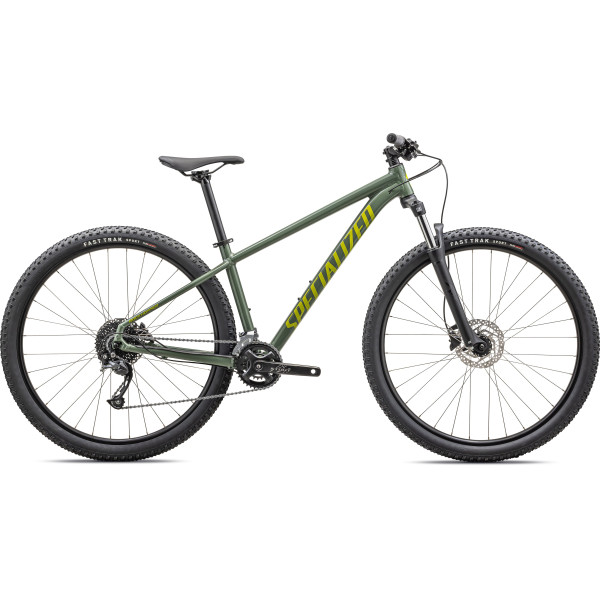
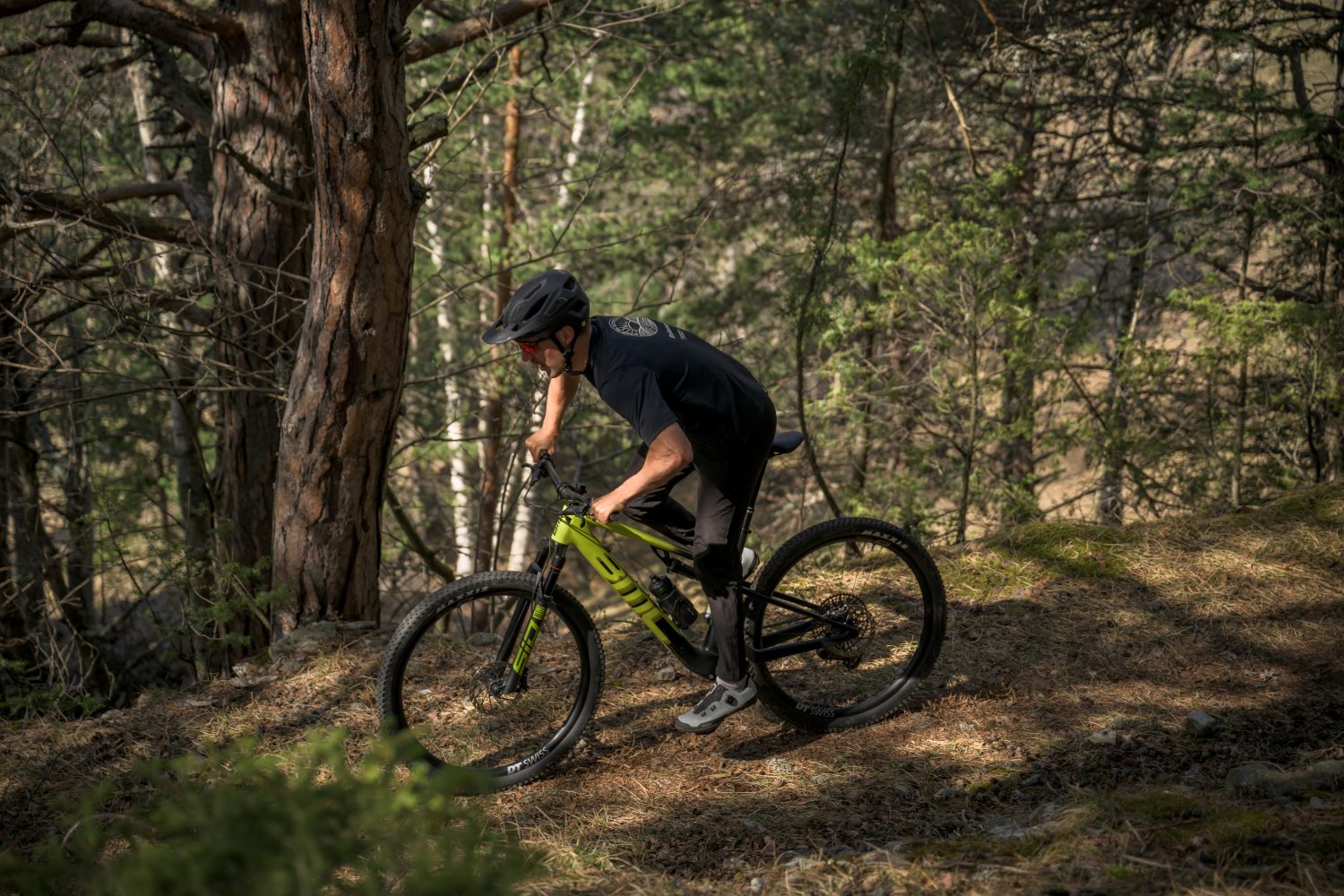
- Mountain bikes (MTB): if you are drawn to forest trails, roots, sand, or steep climbs. They come with front suspension or full suspension and wide, knobby tires.
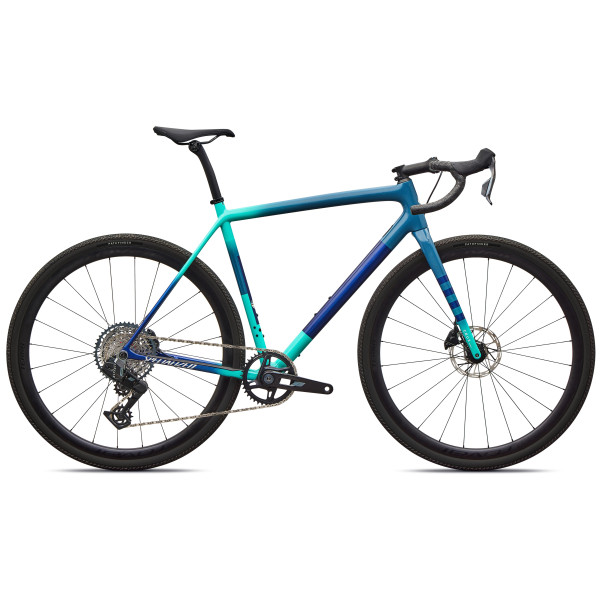
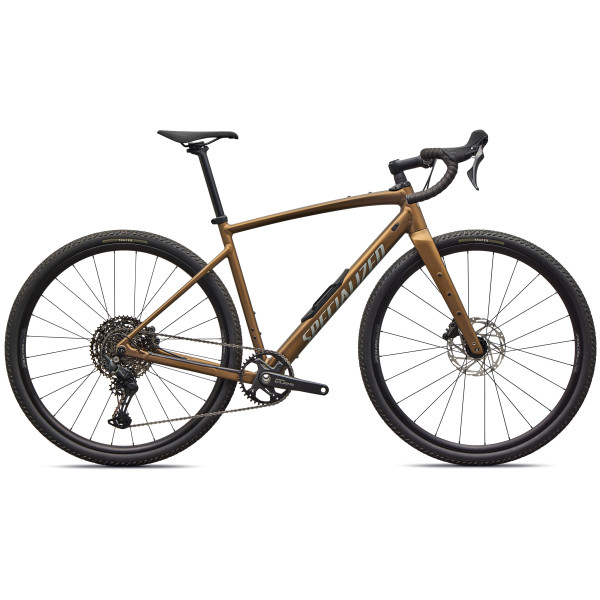
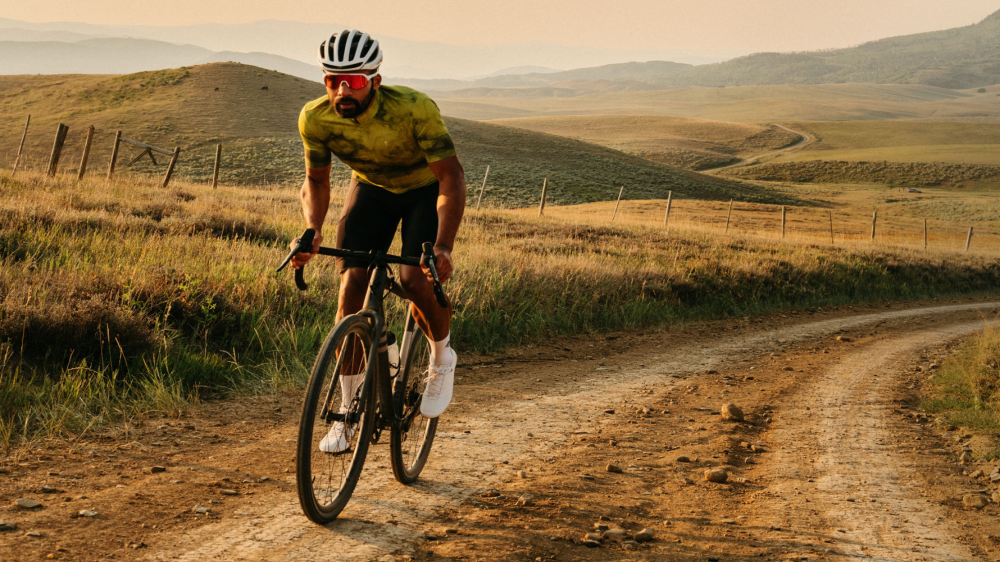
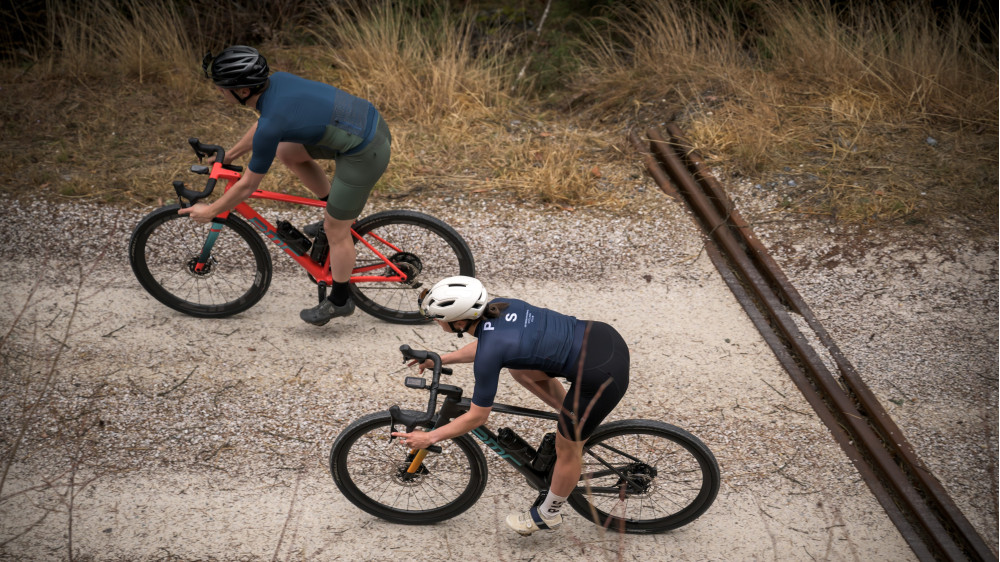
- Gravel bikes: the current king of the market. This is the choice for riders who do not want to worry about where the asphalt ends and the forest path begins. Although they look similar to road bikes, wider tires and a more comfortable geometry make them a confident option both for commuting and for weekend gravel adventures.
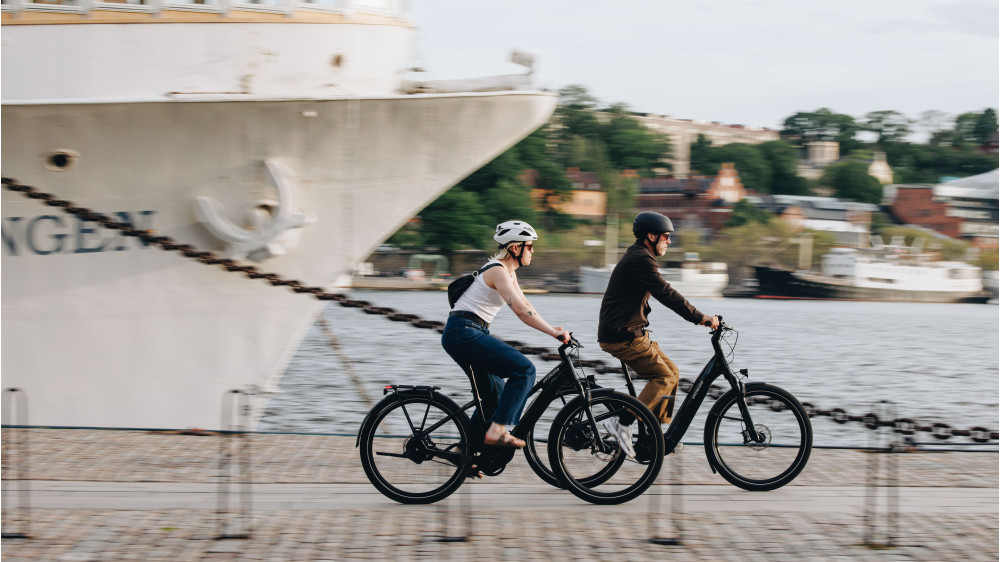
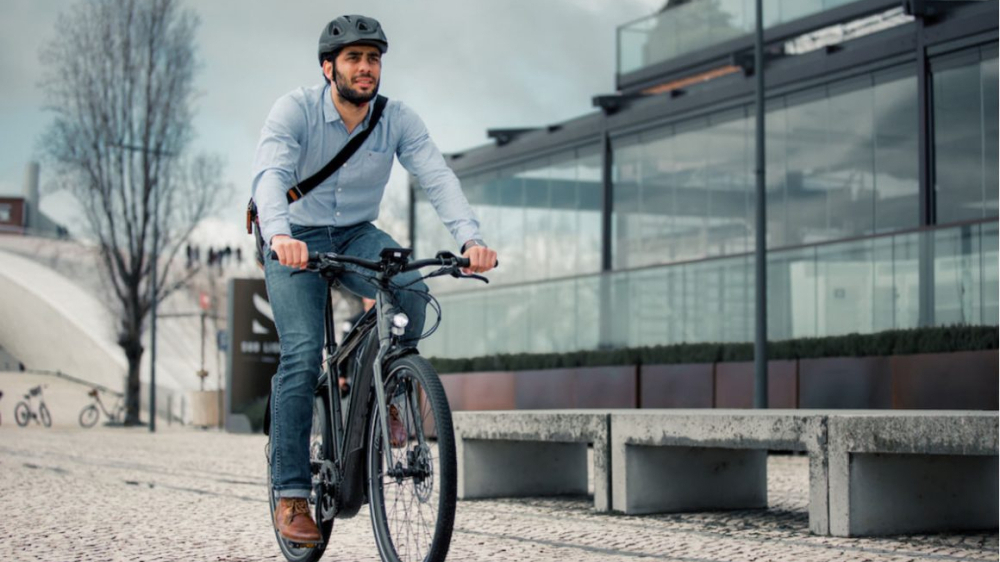
- City and hybrid bikes: if your goal is comfortable commuting or relaxed weekend rides in the park. Here, comfort, an upright riding position, and easy mounting for fenders and bags matter most.
2. Set a realistic budget for your bike
Start with the total amount, not just the price of the bike itself. The bike usually makes up only about 70–80% of your total spending. You should also add a helmet, lock, set of lights, maybe fenders, and the first service after the initial break-in period. The real cost of extra accessories can easily reach €100–200, so it is better to know this in advance rather than be surprised at checkout.
Leave some “breathing room” in your budget. If you set a limit of €600, try to leave the possibility of stretching it to €700. Why? Because often just one level higher in components (for example, Shimano Claris → Shimano 105) does not mean a slightly better ride—it can mean a dramatically better riding experience and much longer durability. That extra hundred euros can pay off over the years in reduced maintenance and better performance.
For beginners, start with the sweet spot—not the top tier. If this is your first more serious bike, there is no reason to invest in a €3,000 carbon machine right away. Start with a reliable aluminum model with a quality groupset, learn your riding style, routes, and preferences, and then invest more precisely once you know exactly what you want. The most expensive mistake is not buying a cheaper bike—it is buying an expensive one that ends up sitting in the garage because it does not match your real needs.
Shop smart: in early spring and late autumn, bike stores often offer previous season models at solid discounts. The technical differences from the newest version are usually minimal, while the savings can reach 15–30%.
3. Choosing between an aluminum and carbon frame
This is where budget and ride feel usually come together.
- Aluminum is a reliable, durable, and more affordable option. It is an excellent choice for beginners who are just getting into cycling.
- Carbon fiber is not only lighter, but also absorbs road vibrations better. If you plan longer rides (50 km+) or simply want maximum efficiency, carbon is worth every extra euro.
If you cannot decide, you can read more about whether carbon or aluminum is a better fit for you.
4. What drivetrain system should you choose?
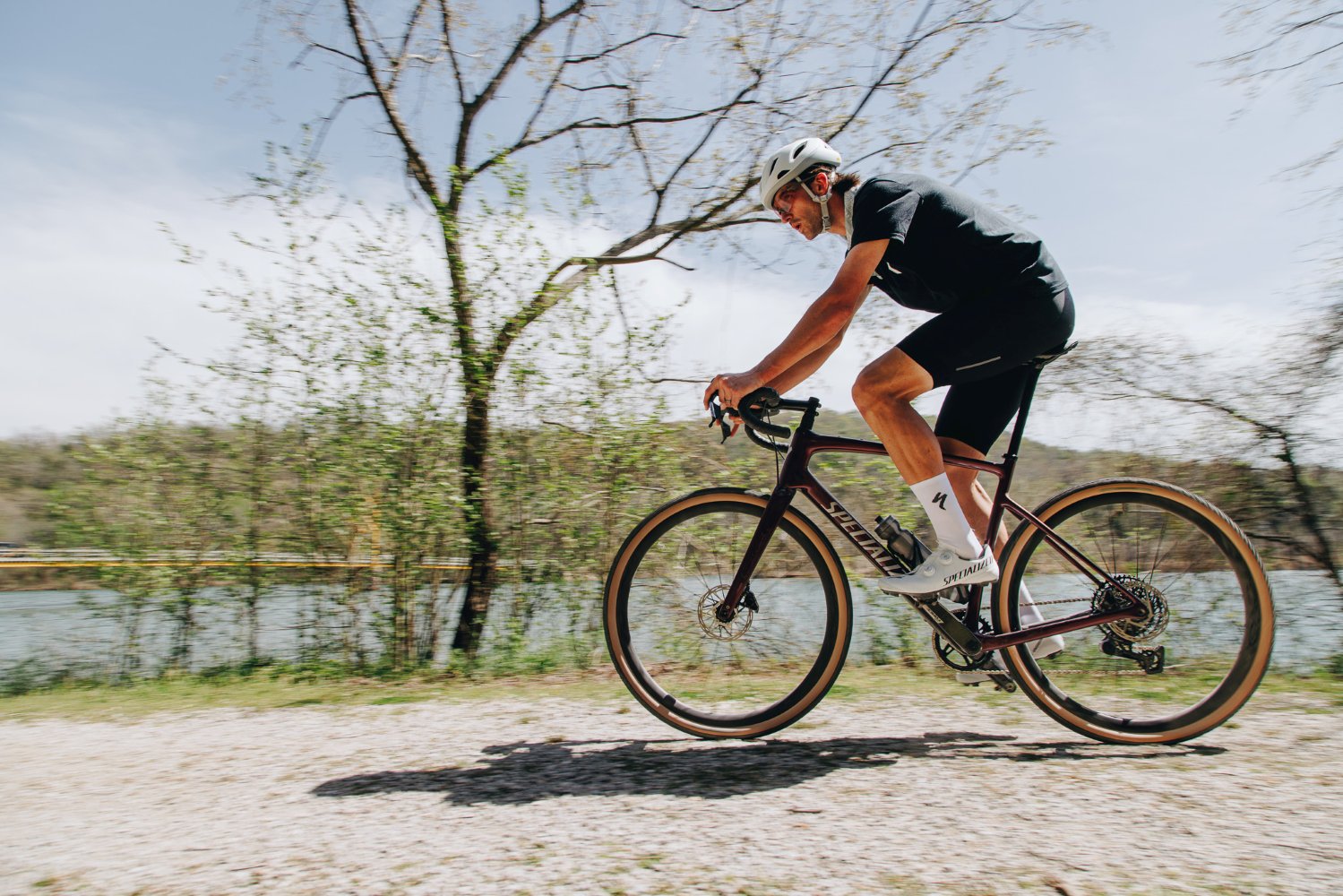
The “heart” of a bike is its drivetrain and brakes. Shimano and SRAM dominate here, but the main question today is not only the brand, but also the type of system.
- Mechanical or electronic? If your budget allows it, electronic systems (such as Shimano Di2 or SRAM AXS) are one of the best upgrades you can choose. Forget sticking cables or constant drivetrain adjustments—electronic shifting delivers surgical precision, and gears change instantly even when climbing the steepest hill. Mechanical systems remain a good budget-friendly option, but they require more maintenance and periodic tuning at the service center.
- Brakes – hydraulic only. If you are choosing a new bike, leave mechanical disc brakes in the past. Hydraulic disc brakes provide easy one-finger braking that keeps its effectiveness in the rain and on steep descents. This is not just about comfort—it is first and foremost about your safety.
- Component level: for beginners, we recommend the “golden middle” – Shimano 105 for road bikes or Shimano Deore for MTB. These groupsets are technologically very close to pro-level equipment, but they are far more wallet-friendly and impressively durable.
5. What bike size should you choose?
Even the best bike will feel terrible if the frame size does not fit you. It is important to know that different bike types are measured differently: mountain bikes (MTB) are usually marked with letters (S, M, L, XL), while road and gravel models are measured in centimeters (for example, 52, 54, 56, 58), referring to frame height or length.
- Size charts can be misleading: the manufacturer’s “M” or “54” in one brand may feel completely different in another. Not only your height matters, but also your leg length and reach.
- Between sizes? If your height falls between two sizes, a smaller frame will feel more agile and responsive, while a larger one will offer more stability on long rides.
The professional solution: if you are investing in a more serious road or gravel bike, it is not enough to simply hop on and see how it feels. We recommend getting a Bike Fit service – this is a precise adjustment of components such as saddle height, stem length, and shoe cleat position based on your body anatomy. It is the best way to avoid knee or back pain on longer rides.
6. Where should you buy from? Choosing the seller matters more than you think
Choose a seller who supports you after the purchase. A good bike seller is not just a cashier—it is a partner who will help adjust the bike before your first ride, perform the first service after break-in (usually after the first 200–300 km), and be available when questions come up. Ask yourself: does this store offer service? Do they provide a warranty not only for the frame, but also for the components?
Customer reviews are your best friend. Before buying, spend 10 minutes reading reviews online—not about the bike itself, but about the seller. Do people praise the consultation? Do they handle warranty cases without bureaucratic hassle? This will tell you more than any advertisement ever could.
Specialized shop or supermarket? The short answer is always: specialized shop. Large chain stores usually offer a limited selection of bike models, and their consultants sell everything from tennis rackets to winter skates. In a specialized bike shop, the staff live and breathe bikes every day, know how to assemble and adjust your purchase professionally, and most importantly, can advise you based on real experience—not just a catalog.
Do not be afraid to ask questions. A good seller will not try to “sell you the most expensive one”, but will listen to your needs and recommend the most suitable option. If you feel pressure in a store to spend more than you planned without clear arguments, that is a sign to look elsewhere. And if the seller suggests a cheaper model that actually suits your needs better, you have probably found the right place.

 Gifts
Gifts Discounts


/95425-72_DIVERGE-E5-CSTBLUMET-SEA_HERO-PDP-600x600.png "Specialized Diverge E5 Gravel Bike | Satin Midnight Shadow - Violet Pearl")