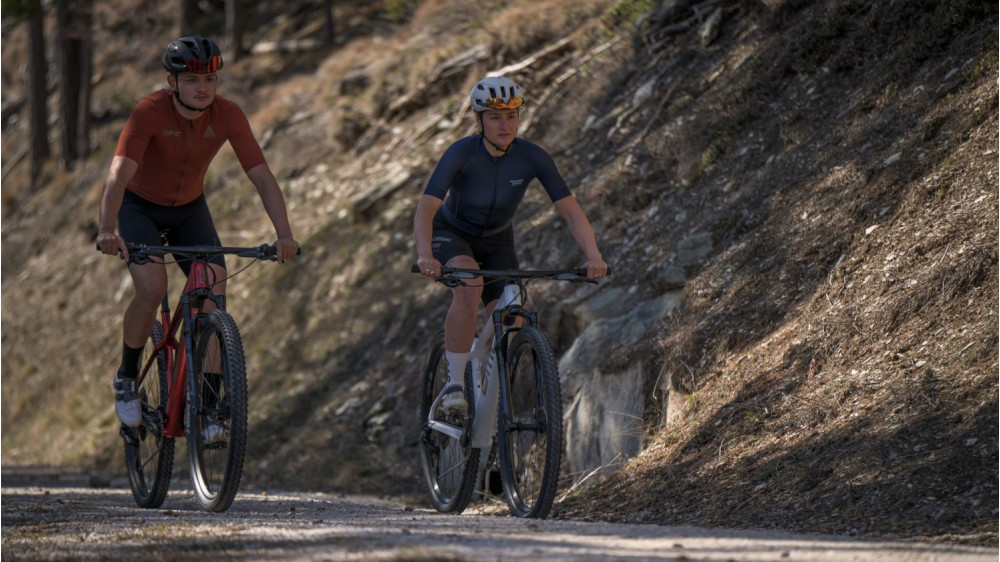
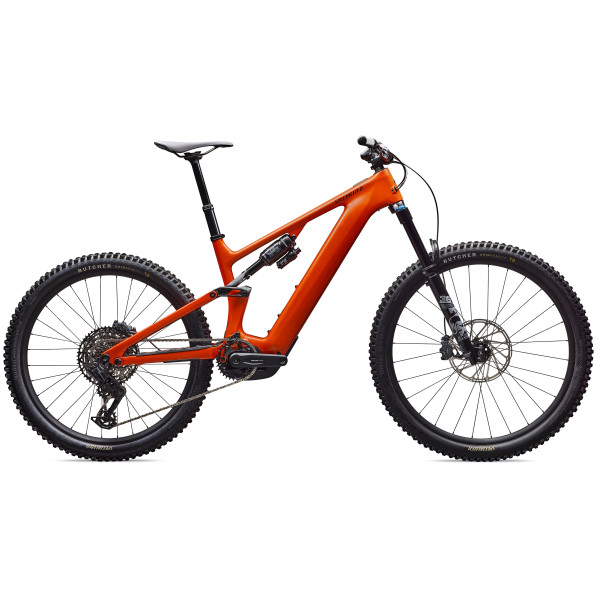
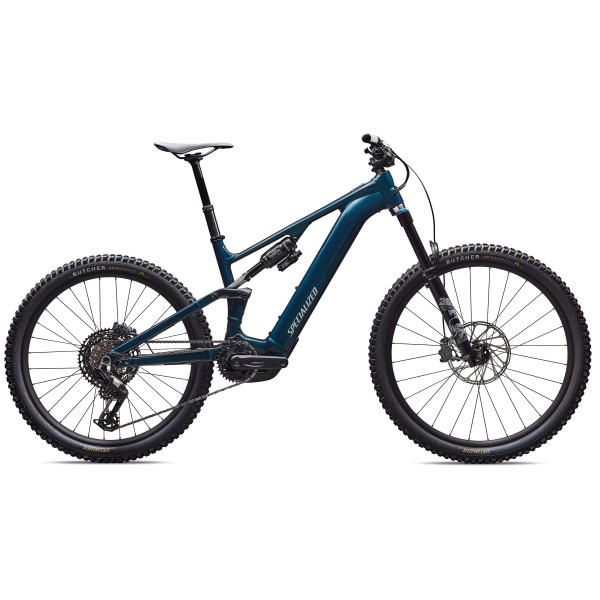
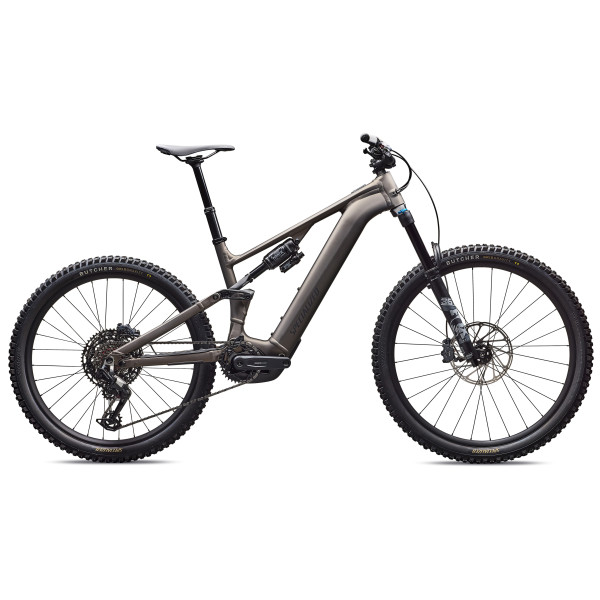
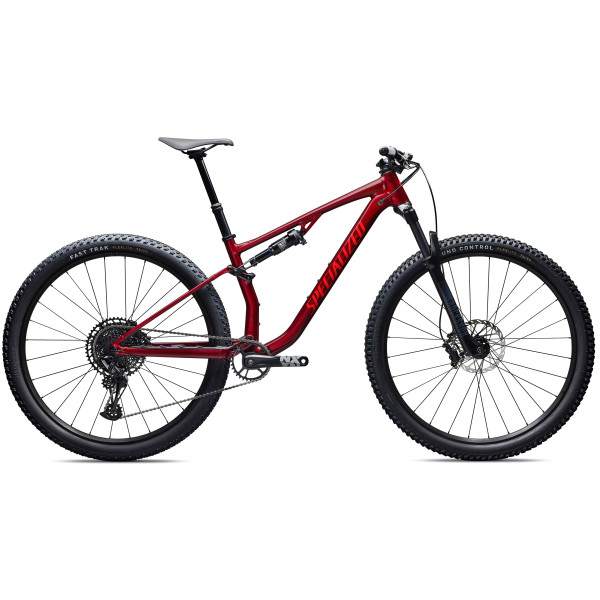
If you enjoy adventure, spending time in nature, challenging climbs, and extreme descents on forest trails, MTB riding is for you. However, with the growing popularity of e-MTB bikes, more and more riders are asking themselves which option is better: a traditional or an electric mountain bike. In this guide, you’ll find a detailed comparison of the pros, cons, and real-world riding scenarios.
Which should you choose: an electric or a traditional mountain bike?
When deciding between a classic MTB and an electric MTB, you need to answer one key question: is your priority building endurance, or covering longer distances while conserving energy? Below, you’ll find an in-depth comparison of e-MTBs and traditional MTBs, starting with a quick comparison table to help you clearly understand the differences.
This article will help you choose the right type of bike, but keep in mind that it’s also important to consider choosing the correct frame size for your height, the frame material, suspension type, and other key factors.
Pros and cons: a quick overview
|
Electric MTB (e-MTB) |
Traditional MTB |
| Climbing performance |
Very easy, capable of tackling steep climbs. |
Climbing ability depends on physical fitness. |
| Riding range |
Limited by battery capacity. |
Limited only by your endurance and fitness. |
| Bike weight |
Heavier (due to motor and battery). Pedaling becomes harder when the battery runs out. |
Significantly lighter and more agile. Easy to carry. |
| Control |
Can be more challenging at higher speeds and with increased weight, especially on technical trails. |
Lighter weight provides better control and maneuverability. |
| Price |
From €2,000 to €20,000 |
From €500 to €15,000 |
| Maintenance |
More complex: motor and battery servicing required, higher component replacement costs. |
Simpler than e-MTB. Suspension components require more maintenance compared to other bike types. |
| Trail access |
Restricted in some countries (allowed in Lithuania). |
No restrictions. |
| Beginner-friendly |
Very suitable, as it helps improve skills quickly, ride longer distances, and climb more with less fatigue. |
A good choice, but requires better physical conditioning and endurance. Helps develop riding technique. |
Both bike types share one important rule: if the frame size is wrong, neither an e-MTB nor an MTB will feel comfortable. Always make sure the bike frame fits your height before choosing a model.
What is an electric mountain bike (e-MTB)?
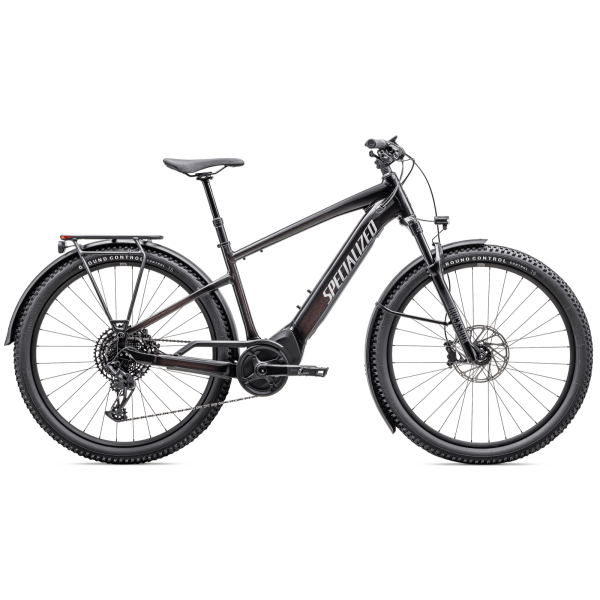
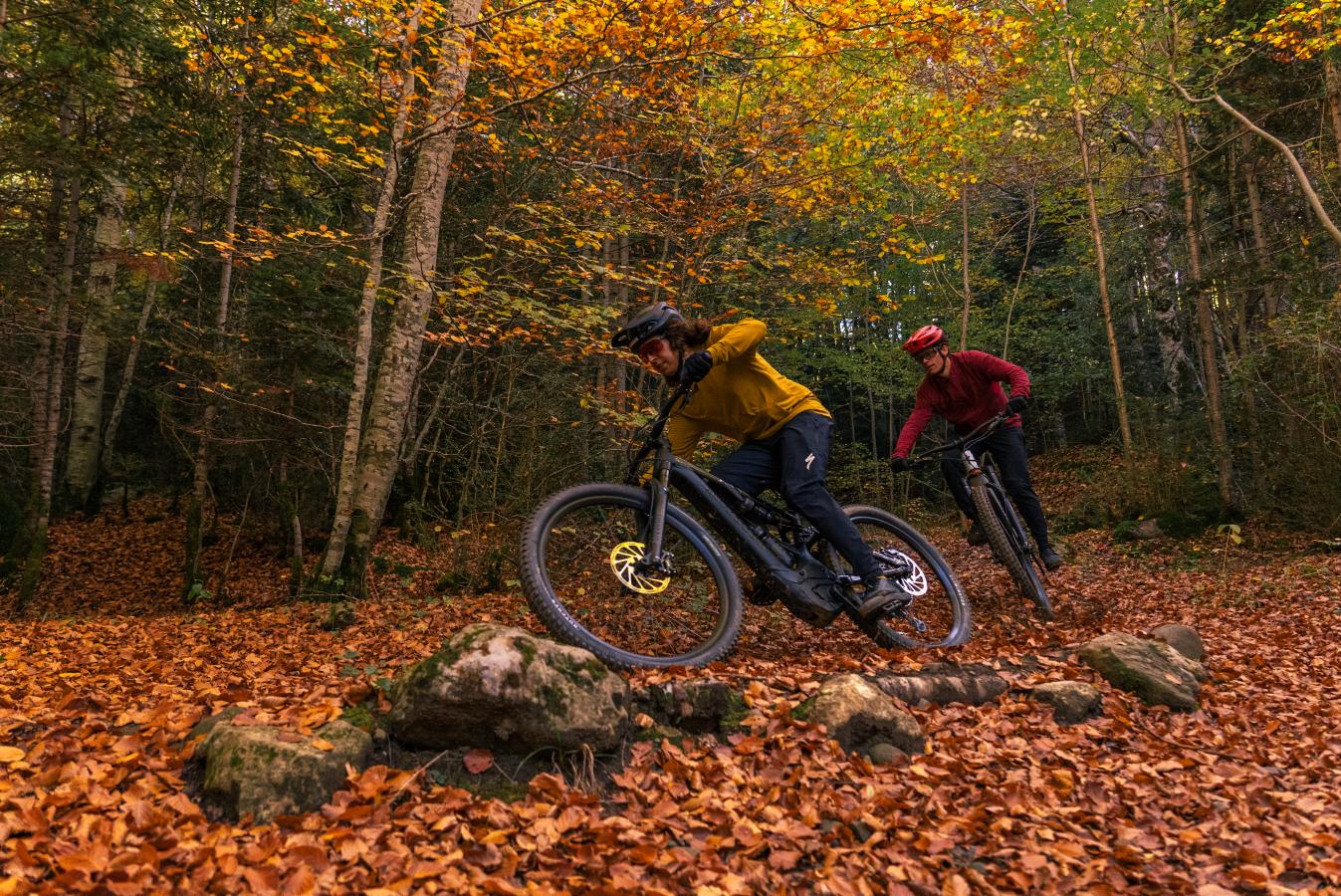
An electric mountain bike is an MTB equipped with a motor and battery that provide assistance only when you pedal. These bikes offer multiple assistance modes, ranging from gentle support to powerful assistance that allows you to climb sections that would be extremely challenging on a traditional MTB.
Due to the added motor and battery weight, riding an e-MTB feels different from a regular MTB: climbing is faster and easier, while technical sections may feel less agile, and descents benefit from increased stability thanks to the added weight.
Using an e-MTB, a rider can complete climbs up to one and a half times longer and ride nearly twice the distance compared to a traditional MTB within the same time. For example, if you normally manage four descents, an e-MTB can realistically allow you to complete seven or eight, thanks to faster and easier climbs.
What is a traditional mountain bike (MTB)?
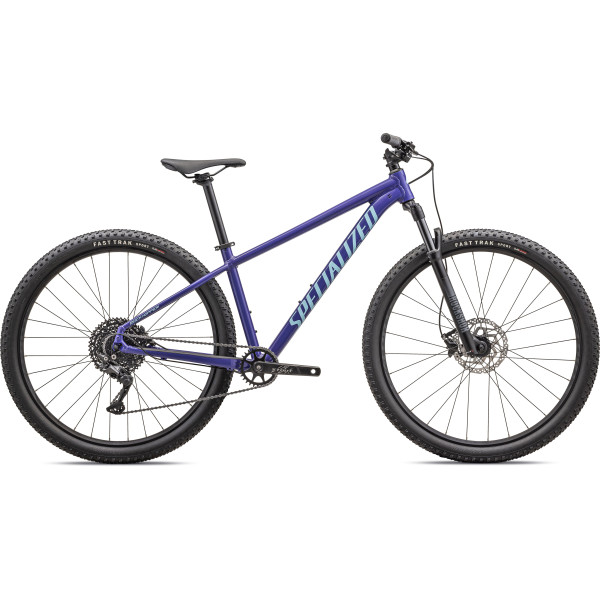
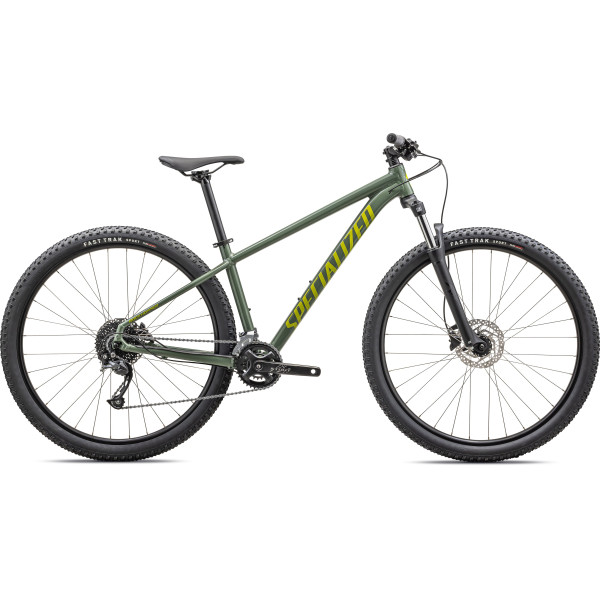
A traditional MTB is a mountain bike without a motor. It is lighter, more agile, and offers direct feedback from the terrain. Distance and climbing performance depend entirely on your endurance, meaning there’s no need to worry about battery levels.
MTBs generally fall into two categories:
- Hardtail – front suspension only; lighter and faster on climbs.
- Full-suspension – suspension front and rear, offering more control and comfort on rocky or root-filled trails.
If you enjoy an active riding style and want to truly “feel” technical terrain, a traditional mountain bike is an excellent choice. However, it may require greater physical endurance and can be challenging for riders recovering from injuries or health issues, making e-MTBs a more accessible option for some.
How to choose: key factors
Below are practical, real-world criteria to help you decide between an e-MTB and an MTB. Consider your physical condition, desired riding feel, budget, maintenance costs, and the type of trails you ride.
Physical fitness and health
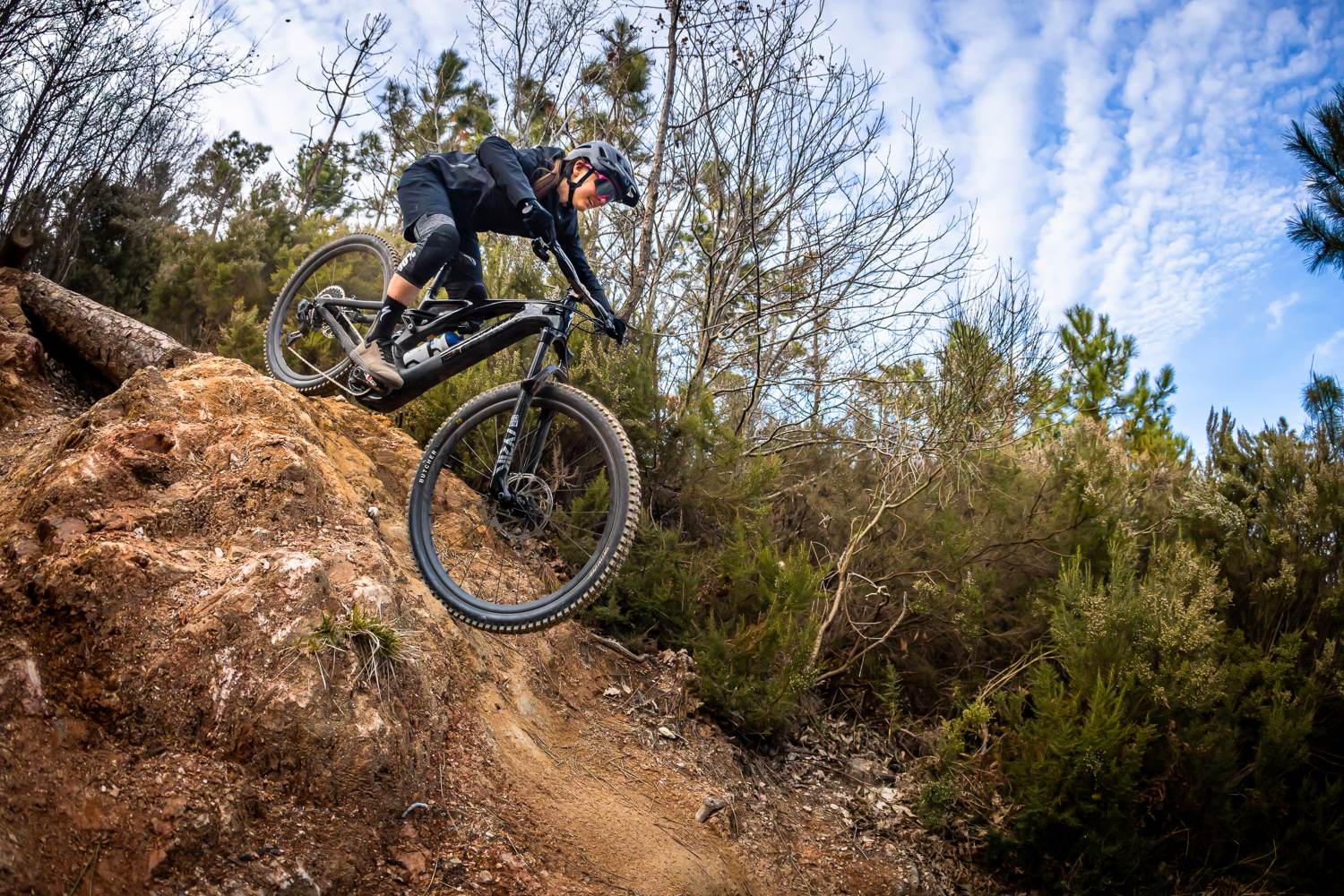
E-MTBs are often chosen by riders who experience knee or hip discomfort on climbs or simply fatigue more quickly. Motor assistance helps maintain a steady pace and enjoy the ride, even if you’re returning to cycling after a break or injury. It’s also a great option for beginners looking to build fitness while protecting their health.
Traditional MTBs are better suited for riders seeking a true physical challenge and cardio workout. If you enjoy pushing your limits or training for races, an MTB delivers that authentic effort.
Riding feel
The first impression of an e-MTB is often that it feels like an MTB—but easier. Motor assistance helps conquer rocky climbs and maintain momentum on root-covered trails. However, the added weight affects handling, making corners require more effort and jumps less playful.
A traditional MTB responds instantly to rider input, offering a more direct connection to the terrain. This precise feedback is why performance-focused riders often prefer MTBs.
Price and maintenance
When choosing between an e-MTB and a traditional MTB, consider not only the purchase price but also long-term ownership costs. Electric bikes are more expensive due to motors and batteries and require additional maintenance, including software updates and battery replacement after several years.
Traditional MTBs are simpler and more affordable to maintain, with no electronics—just brakes, drivetrain, suspension, and wheels.
|
Electric MTB (e-MTB) |
Traditional MTB |
| Price |
From €2,000 to €20,000 |
From €500 to €15,000 |
| Maintenance |
Standard bike service plus motor system maintenance and software updates.
Battery lifespan is typically 3–5 years. |
Standard bike maintenance: brakes, drivetrain, suspension, and wheels. |
| Long-term costs |
Higher due to battery replacement and potential electronics repairs. |
Generally lower and more predictable. |
Riding range and “range anxiety”
With an e-MTB, range anxiety can become a factor—the concern that the battery may run out before completing your route. Longer rides require careful planning and battery management.
With a traditional MTB, your range depends solely on your endurance, allowing more spontaneous exploration without worrying about battery levels.
Technical climbs
For technical climbs, e-MTBs have a clear advantage. Motor assistance helps maintain balance at low speeds and conquer challenging ascents with less effort.
Traditional MTBs turn climbs into a test of technique and endurance, demanding precise body movement and line choice, while helping riders develop stronger skills.
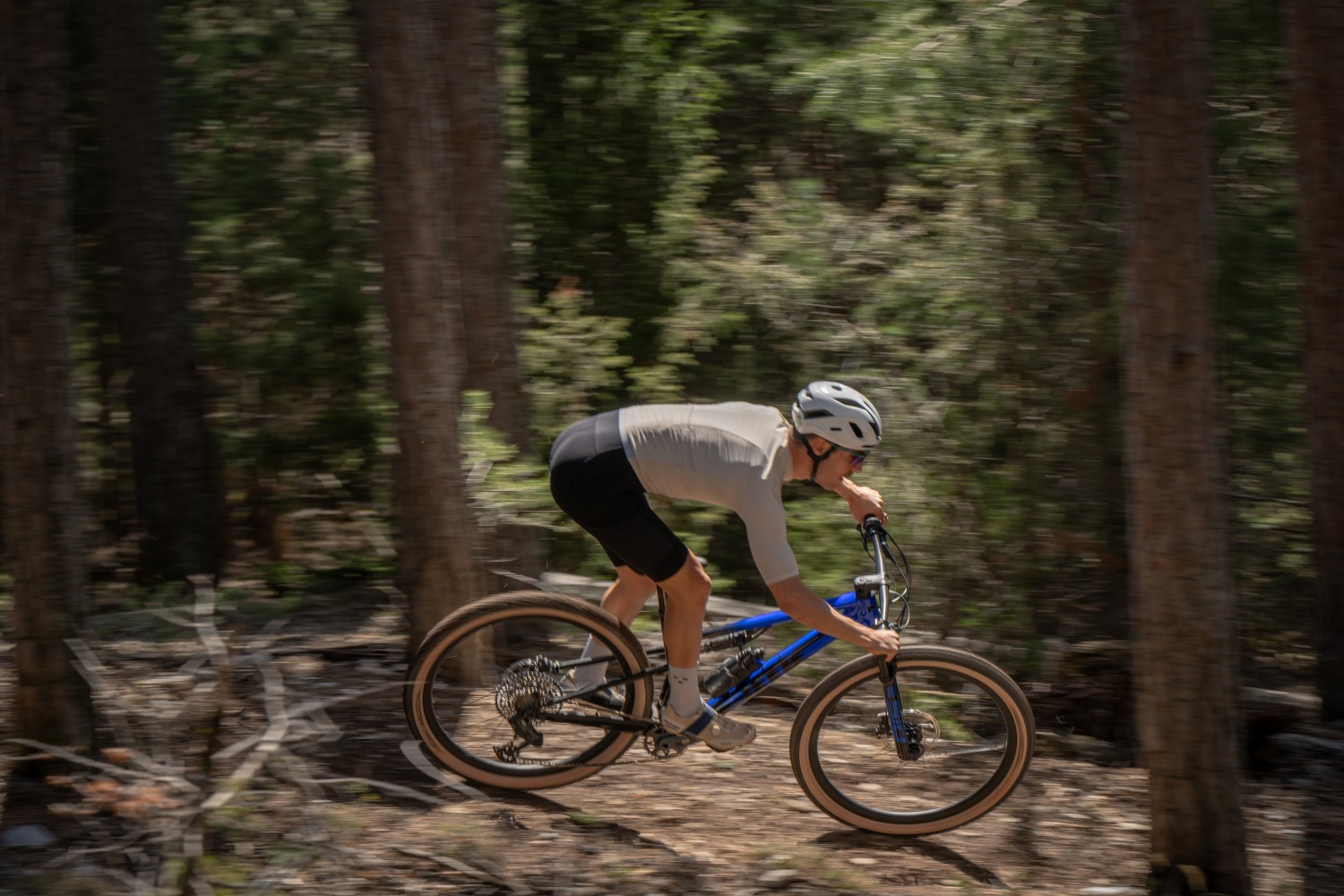
At VELONOVA, we offer only mountain bikes we would confidently choose ourselves for forest or mountain rides. Our range includes both electric and traditional MTB models, each with its own character and strengths.
Electric mountain bikes (e-MTB) – SPECIALIZED
SPECIALIZED is a leader in the e-MTB segment, with the LEVO and KENEVO models considered benchmarks by many riders.
- powerful motors,
- smart assistance modes that adapt to your pedaling,
- long-lasting batteries,
- trusted quality used by professionals worldwide.
Traditional MTBs – SPECIALIZED and BMC
For classic MTBs, we offer two manufacturers with distinct riding characteristics.
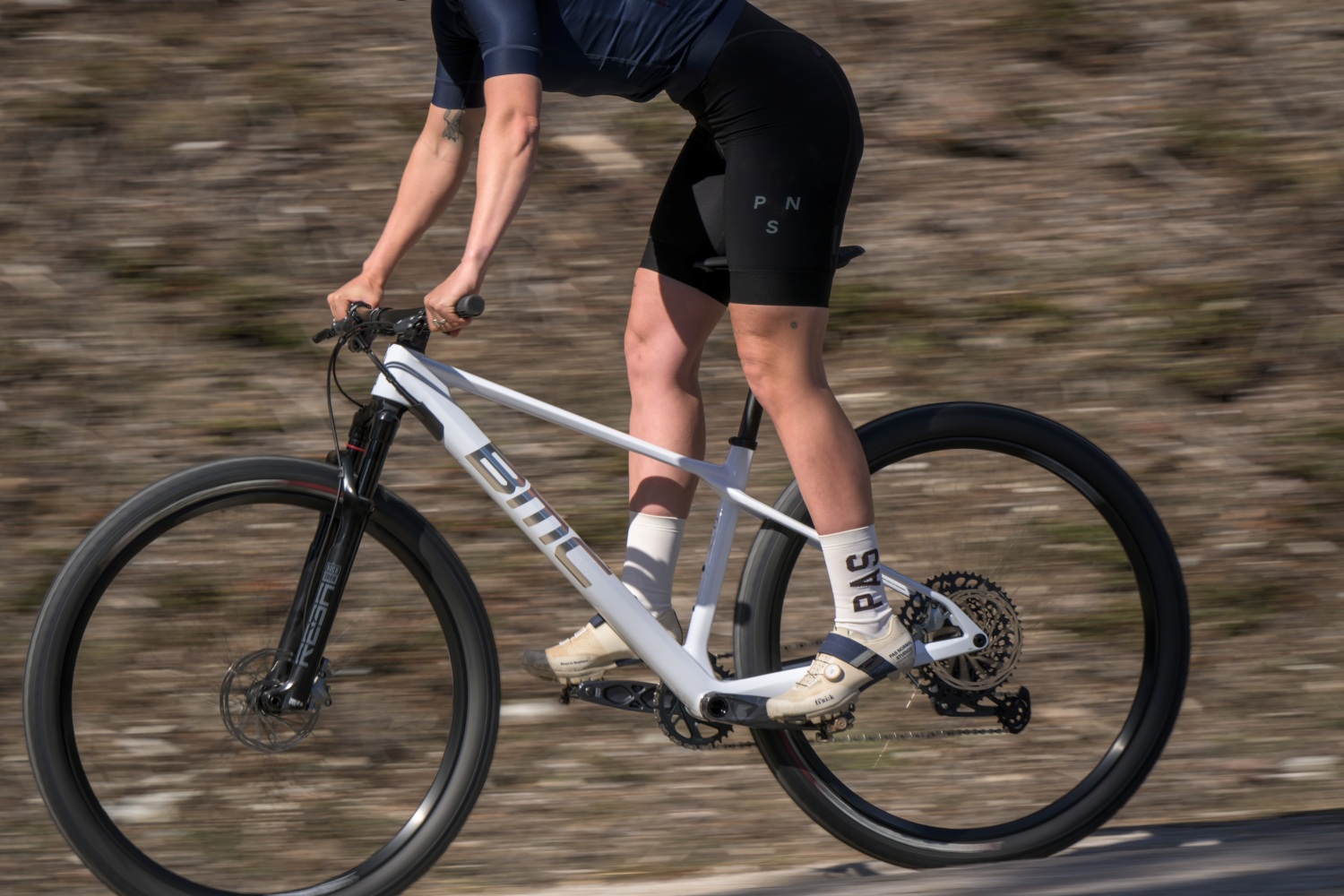
- BMC Twostroke – a lightweight hardtail for fast, precise riding.
- BMC Fourstroke – a full-suspension bike offering exceptional control on rough trails.
No matter which mountain bike you choose, proper frame size and setup make the biggest difference. At VELONOVA, we always help you find the optimal fit for your height and riding style.
Is it worth converting an MTB into an e-MTB?
Some riders attempt to save money by converting a traditional MTB with a motor and battery. While this may seem like a quick solution, it often creates more problems than benefits.
- frames are not designed for additional load,
- warranties are voided,
- battery mounting becomes unsafe,
- weight distribution is compromised,
- handling suffers,
- risk of mechanical failure increases.
If you want a true electric mountain bike experience, choosing a factory-built e-MTB is the best option.
Who should choose an e-MTB, and who should choose an MTB?
Both bike types are excellent—just designed for different needs.
Choose an e-MTB if:
- you want effortless climbing,
- you have limited training time but want to ride more,
- you ride with stronger friends and want to keep up,
- you’re returning after an injury or long break.
An MTB is better if:
- you want to develop technical skills,
- you value a lightweight, responsive bike,
- you prefer simpler maintenance,
- you plan to race where weight matters.
The most important factor is proper fit—correct frame size ensures comfort and confident control.
Conclusion and recommendations: MTB or e-MTB?
There’s no single correct answer. If you want to ride more, climb easier, and go faster, an e-MTB is ideal. If light weight, agility, and endurance training matter most, a traditional MTB remains unbeatable.
Whichever you choose, proper sizing will define your riding experience.
FAQ: frequently asked questions
What are the legal restrictions for e-MTBs?
In Lithuania, the maximum assisted speed for electric bikes is 25 km/h. Exceeding this limit classifies the bike as a motor vehicle, subject to stricter regulations. Speed-limiting chips are prohibited.
How do cost and long-term maintenance differ?
E-MTBs are more expensive due to motors and batteries and require battery replacement after 500–800 cycles. Traditional MTBs are simpler and cheaper to maintain.
Are e-MTBs better for technical climbs?
Yes. Motor assistance and geometry make e-MTBs superior on steep and technical climbs, while traditional MTBs demand more physical effort.

 Gifts
Gifts Discounts