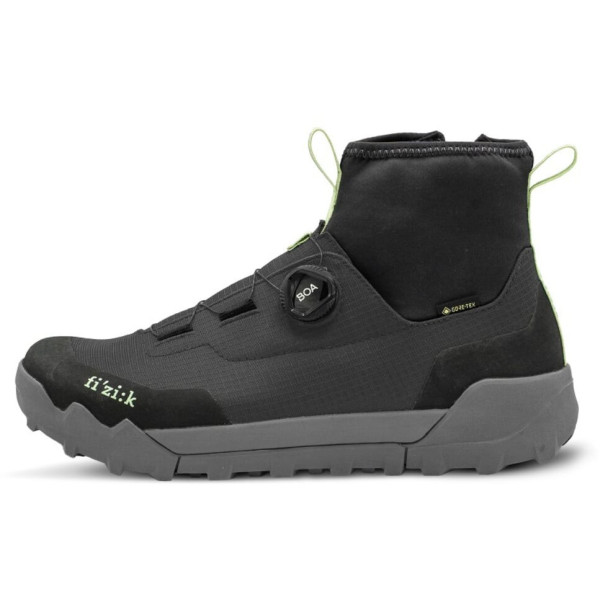
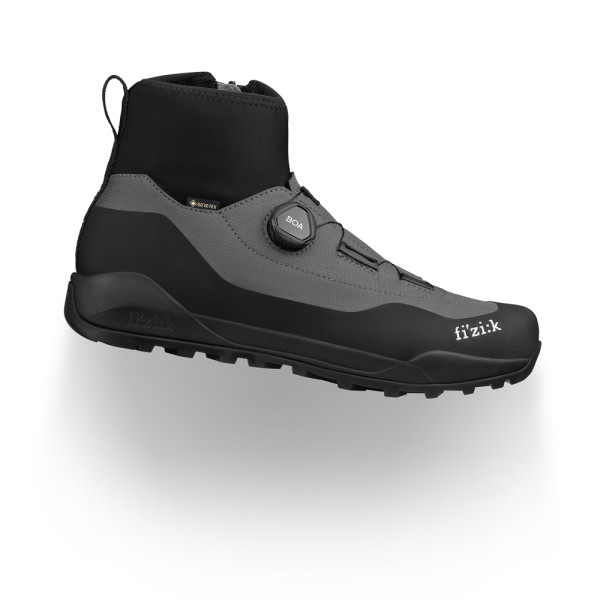
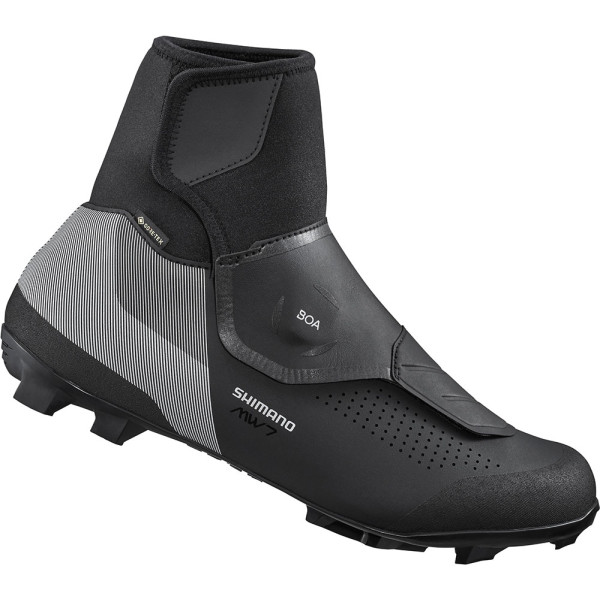
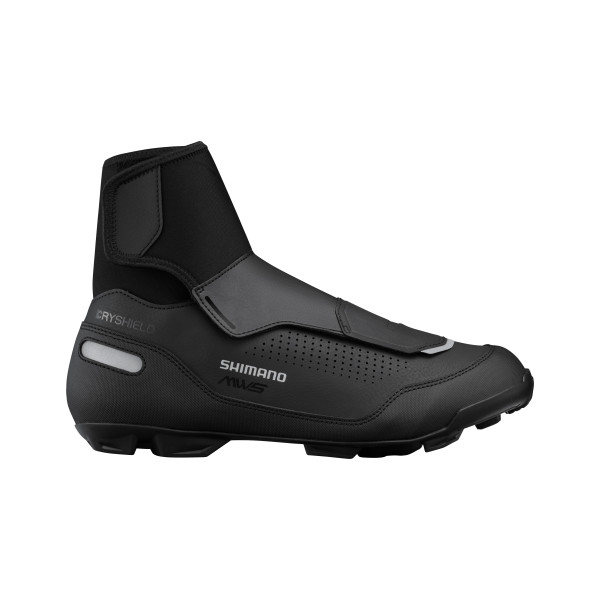
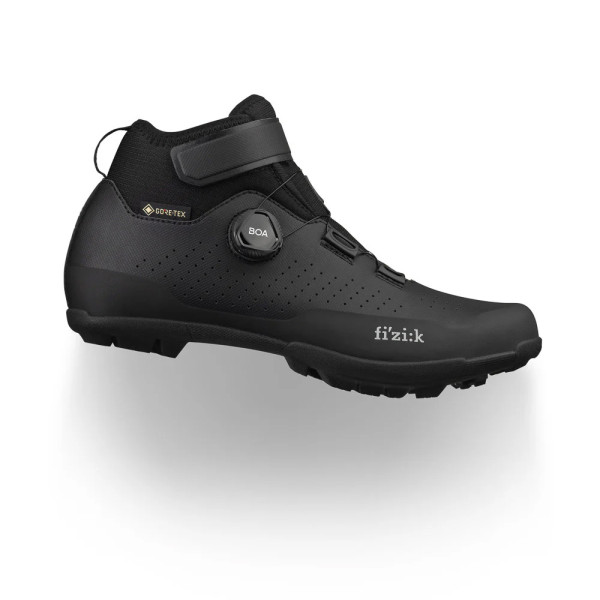
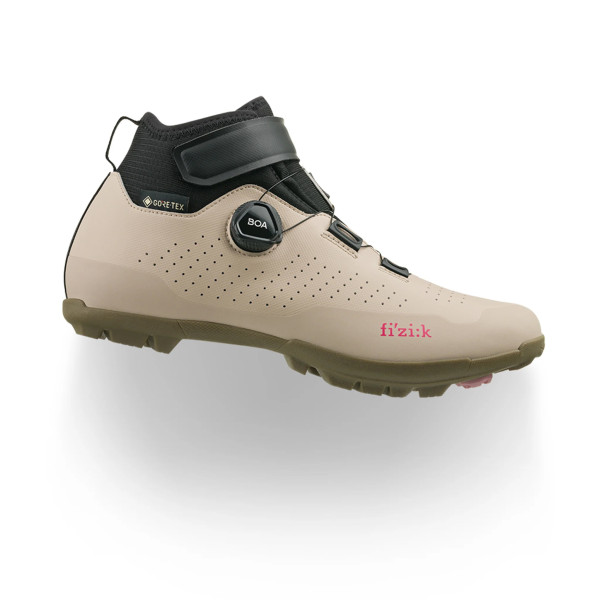
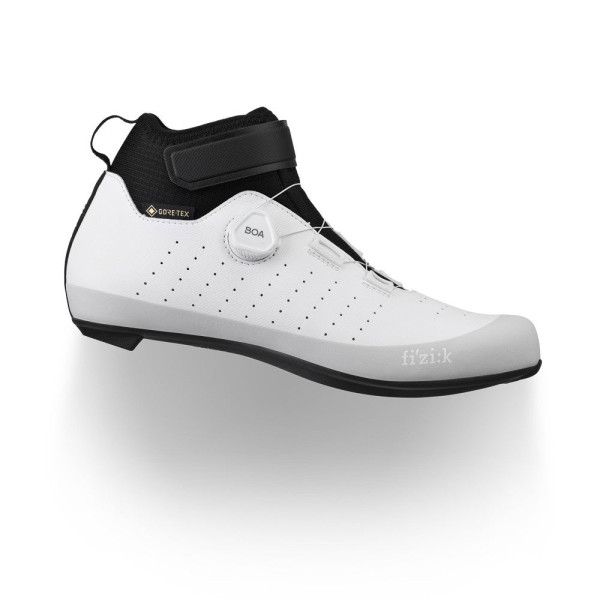
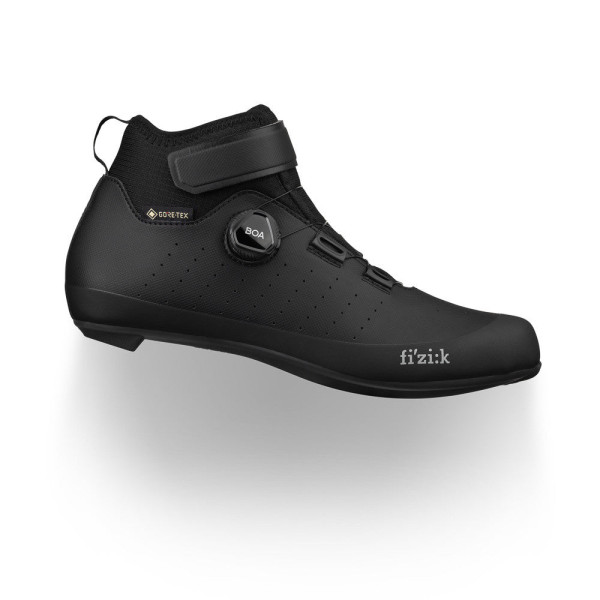
Winter cycling shoes are designed for riding in cold and wet weather on road, gravel or MTB bikes. Choose according to the pedal system, thermal insulation, protection from moisture, size and riding conditions.
Related categories
Winter cycling shoes are designed for riding in low temperatures when regular cycling shoes no longer provide enough warmth and protection from adverse weather conditions. Their construction focuses more on thermal insulation, protection from wind and moisture, and comfortable riding during autumn and winter.
Winter models can be designed for MTB, gravel or road cycling, so when choosing a pair it is important to consider not only the weather conditions but also the pedal system and sole construction.
Winter cycling shoes usually have more thermal insulation and a more enclosed construction than models designed for warmer seasons. A higher cuff or additional protection around the ankle can help reduce the amount of cold air and water entering the shoe.
However, it is important to check the features of each specific model. Not all winter cycling shoes are completely waterproof – their water resistance depends on the materials, membrane, seams and overall construction.
Winter cycling shoes should primarily be matched to your pedal system. MTB and gravel models often use a two-bolt cleat mounting system, such as Shimano SPD, while the tread provides better grip when walking off the bike. If you are looking for shoes for use beyond winter, you can also compare MTB cycling shoes and gravel cycling shoes.
Winter models for road cycling can be designed for road pedal systems and the stiffer sole construction typical of road cycling shoes. Models for warmer weather can be found in our road cycling shoes category.
Winter cycling shoes should hold the foot securely without feeling too tight. A shoe that is too tight can be uncomfortable with thicker socks, so it is important to consider not only your usual shoe size but also the shape of the specific model and the manufacturer's size chart.
It is not recommended to automatically choose a significantly larger size just to accommodate thicker socks. Shoes that are too large may not hold the foot and heel securely.
If you ride frequently in cold weather, dedicated winter cycling shoes provide integrated protection and thermal insulation. If you only occasionally ride in lower temperatures, a practical alternative may be to use cycling overshoes with your existing cycling shoes.
The right choice depends on the temperature, precipitation, duration of your rides and individual sensitivity to cold. If you are unsure which winter cycling shoes to choose, contact us – we will help you find a suitable model based on your pedal system, riding style and winter conditions.
This website uses cookies to improve user experience. By using our website you consent to all cookies in accordance with our Cookie Policy. Read more