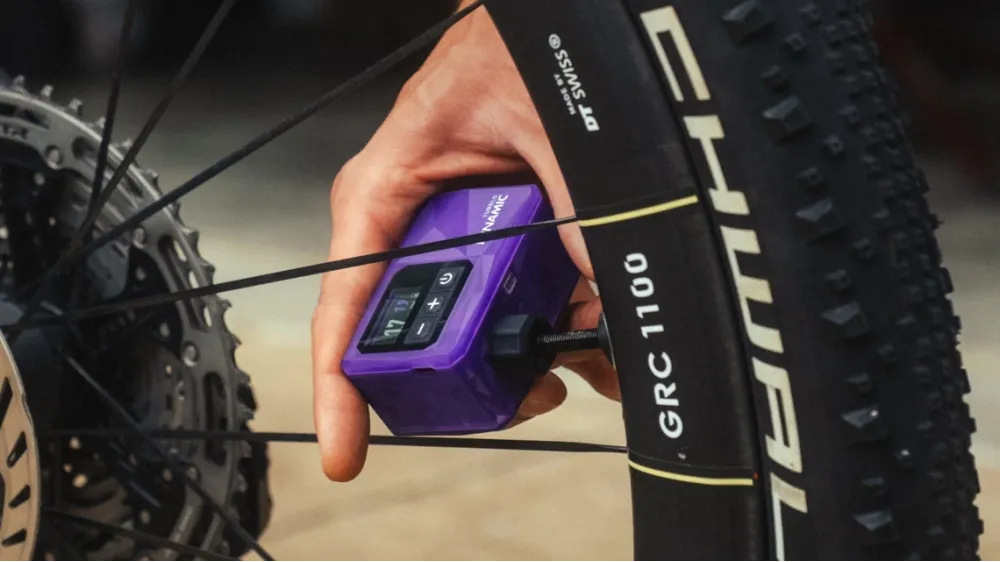
Imagine you're out cycling when you suddenly notice your tyre going soft. You pull over and reach for a hand pump or a CO₂ cartridge. But there's now another option: a compact electric bike pump that inflates your tyre at the press of a button.
Mini electric pumps have become small enough to fit in a bike bag or even a cycling jersey pocket. But are they really as convenient as they seem? How many tyres can you inflate on a single charge, and can an electric pump completely replace a traditional hand pump? Let's look at what you should know before choosing one.
A small device that does the pumping for you
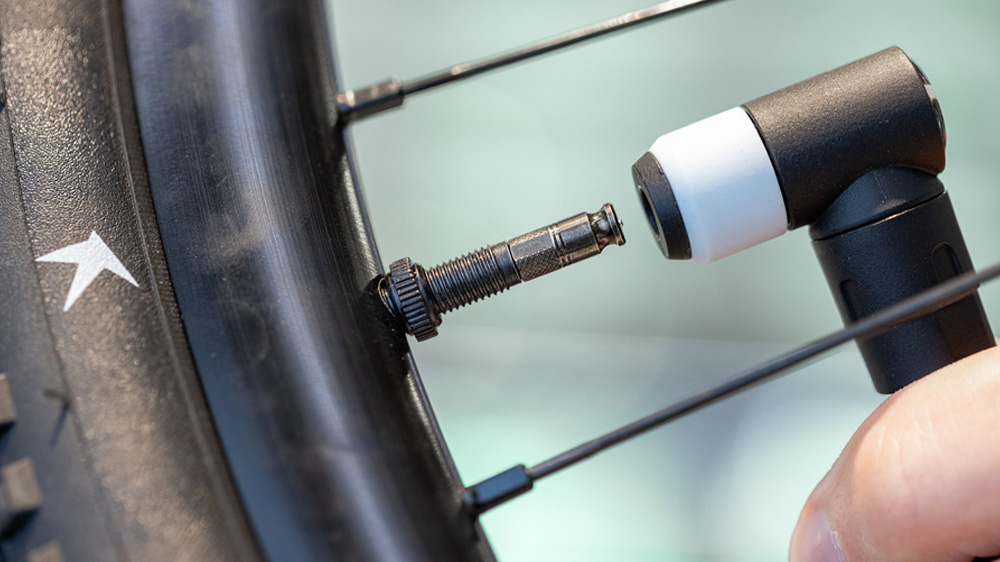
Electric bike pumps work on a simple principle. Inside is a small compressor powered by a rechargeable battery. Connect the pump to your tyre valve, switch it on and the compressor starts delivering air.
Some models allow you to set your desired tyre pressure. The pump automatically stops when it reaches that pressure, so there's no need to keep checking a pressure gauge. Certain models have a digital display, while smaller, simpler pumps may operate without one.
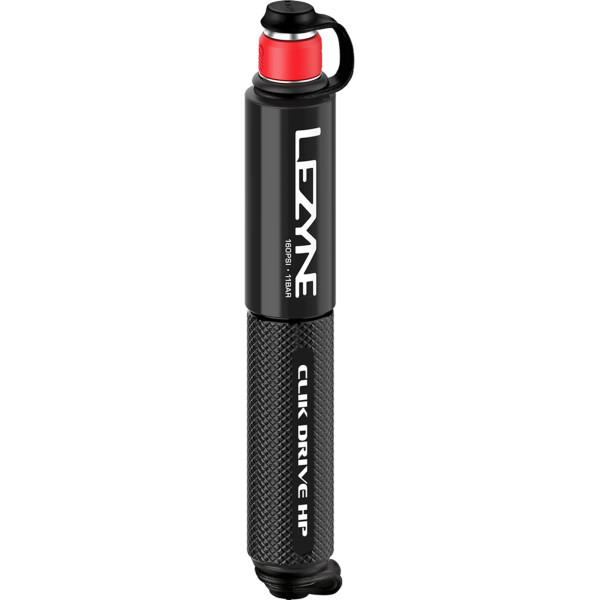
The biggest difference compared with a traditional hand pump is that no manual pumping is required. This is particularly welcome when inflating a tyre to a higher pressure or dealing with a puncture when you're already tired.
Is an electric pump really convenient on a ride?
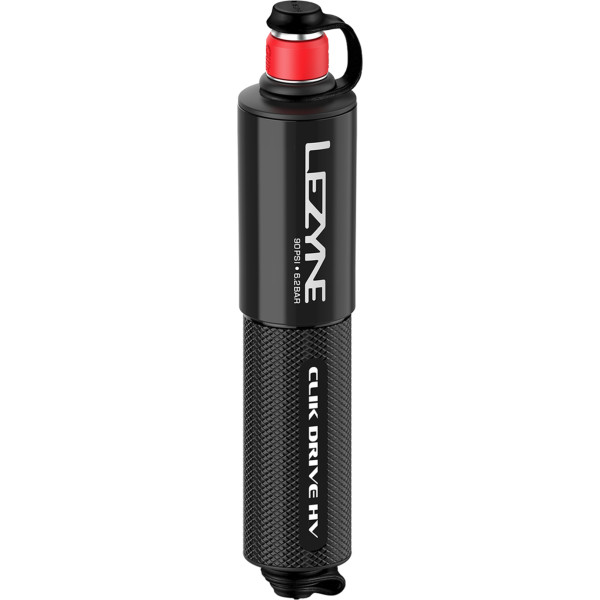
One of the most appealing features of modern electric pumps is their size. Some models are remarkably compact, meaning you no longer need to carry a long hand pump attached to your bike frame.
However, a small size doesn't mean every pump performs the same way. Some models prioritise low weight and portability, while others offer a larger battery, a display or additional features.
There are also a few things about using an electric pump that might surprise you:
- It isn't silent. The small compressor makes a noticeable noise while running.
- It can get hot. The pump and its connections may become warm during prolonged use, so it's important to follow the manufacturer's instructions.
- Inflation isn't always instant. Although you don't have to pump manually, inflating a tyre can take some time, especially when it's completely flat.
- You need to remember to charge it. A flat battery makes an electric pump useless on the road, so it's worth checking the charge before setting off.
For shorter training rides or everyday cycling, an electric pump can be extremely convenient. On longer routes without access to charging, however, a hand pump remains a reliable backup.
How many tyres can you inflate on one charge?
This is probably one of the first questions people ask when considering an electric pump. Unfortunately, there's no single answer that applies to every model.
It depends on the battery capacity, compressor performance, tyre size and the pressure you need to reach. For example, topping up a tyre generally requires considerably less energy than inflating it from completely flat.
Tyres also vary. A wide MTB tyre requires a greater volume of air, while a road tyre may need a higher pressure. Both factors affect how long the pump runs and how much energy it uses.
When comparing models, look beyond the manufacturer's stated number of inflations and check the conditions under which it was measured. If you only need to top up tyre pressure occasionally, your requirements will be different from those of someone planning to inflate completely flat tyres during a ride.
Electric pump or CO₂ inflator – which is better?
Both options have one important advantage: they inflate tyres without manual pumping. However, they work differently and have different practical limitations.
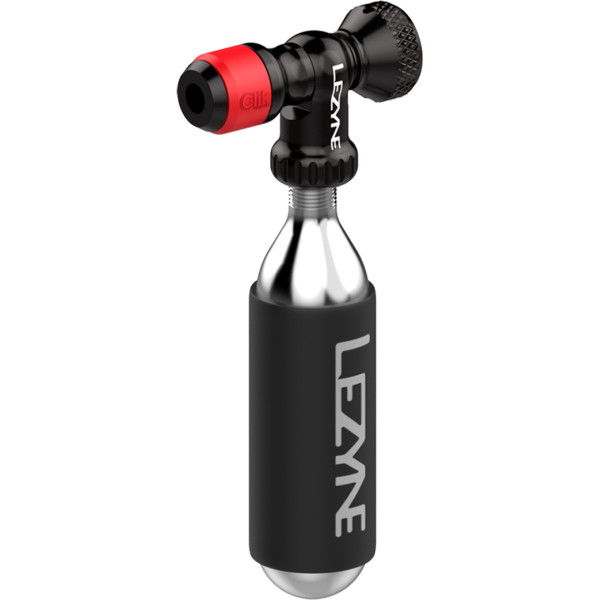
A CO₂ inflator can inflate a tyre very quickly. This is particularly useful in races, where every second counts. However, each cartridge contains a limited amount of gas and needs replacing after use.
An electric pump works differently. As long as there's enough battery power, it can be used repeatedly without carrying disposable cartridges. Some models also allow you to set the desired pressure precisely.
A CO₂ inflator doesn't need charging, while an electric pump doesn't require a constant supply of replacement cartridges. The better choice therefore depends on whether you prioritise inflation speed, repeated use or independence from battery charging.
For a more detailed comparison of different pump types, read our guide Bicycle Pumps: What to Consider When Choosing?.
Are electric pumps suitable for every type of bike?
Electric pumps can be used with road, gravel, mountain, city and electric bikes, provided the model is compatible with the tyre valves and can reach the required pressure.
However, it's important to distinguish between maximum pressure and pumping capacity. Just because a pump can reach a high pressure doesn't mean it will inflate a large-volume MTB tyre quickly.
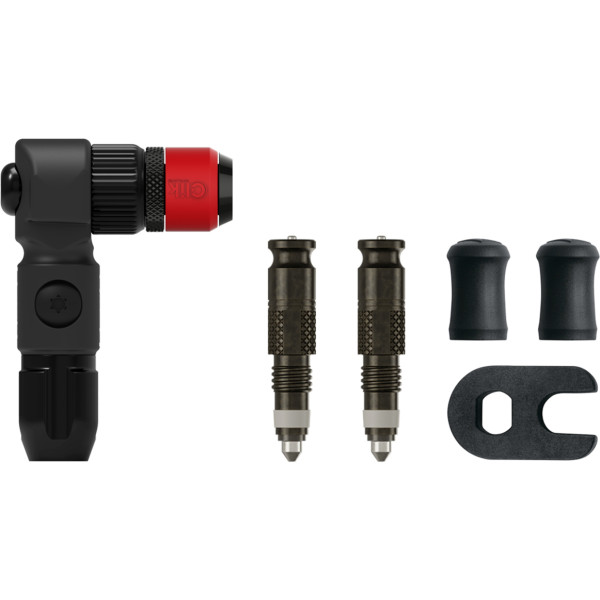
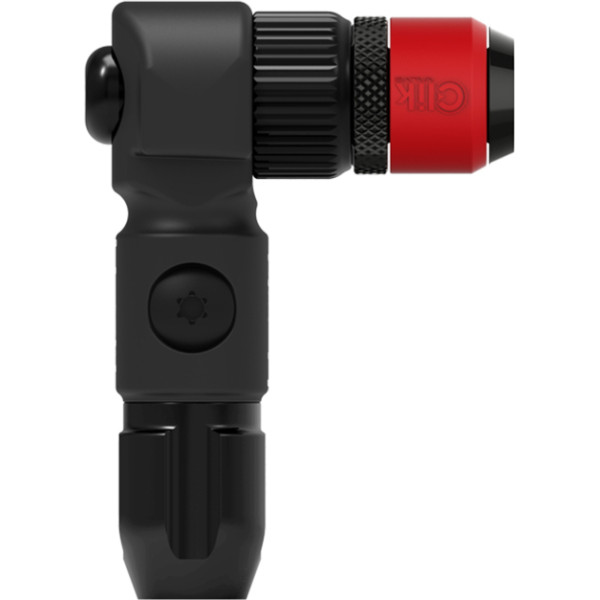
Valve compatibility is another consideration. Presta and Schrader are the most common valve types, and some systems may require an additional adapter.
Tubeless tyres are another important consideration. An electric pump is useful for topping up their pressure, but seating a newly fitted tubeless tyre on the rim usually requires a sudden, powerful burst of air. This is typically achieved using a compressor or a dedicated tubeless pump with a pressurised air reservoir. Standard hand pumps and mini electric pumps are not designed for this task.
Can an electric pump completely replace a hand pump?
For many cyclists, yes – especially on shorter rides and training sessions when the pump is only needed occasionally. A compact electric model can be more convenient than a hand pump because it requires no manual effort, and some models automatically control the pressure.
However, a hand pump has one major advantage: it works without a battery. If you're planning a multi-day cycling trip or riding in remote areas without charging facilities, this could be the deciding factor.
Is an electric bike pump worth buying?
An electric bike pump isn't an essential accessory for every cyclist, but it can make tyre maintenance and unexpected roadside repairs noticeably easier.
If you ride regularly, want a compact solution and appreciate being able to inflate tyres without manual pumping, an electric pump is certainly worth considering. It's particularly practical for cyclists who frequently adjust tyre pressure or want a reusable alternative to CO₂ cartridges.
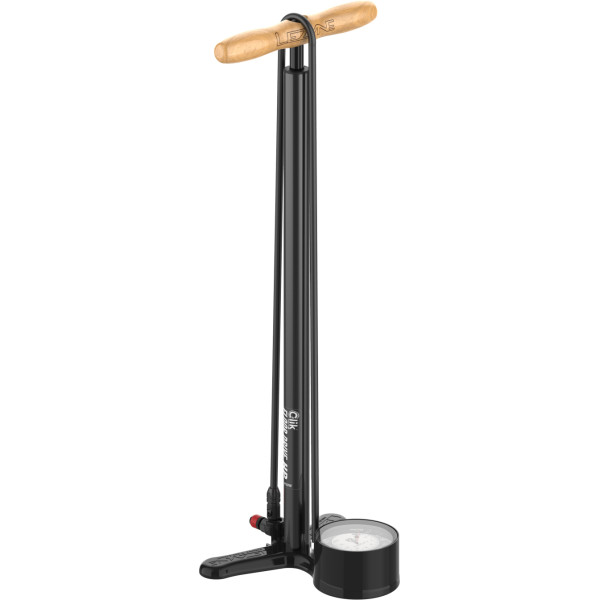
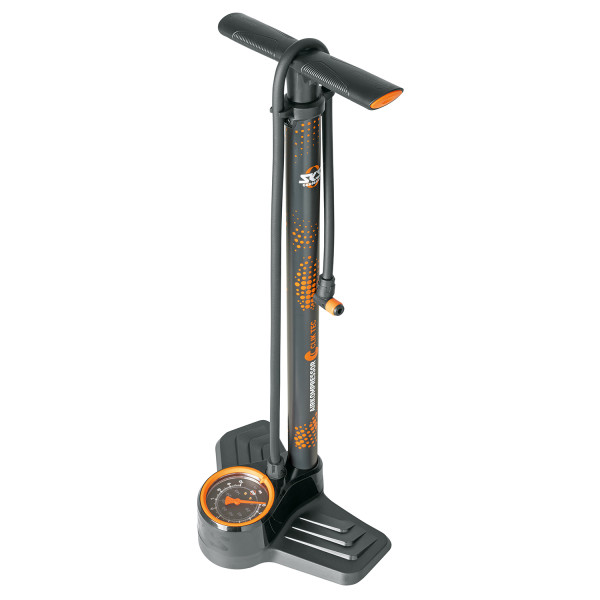
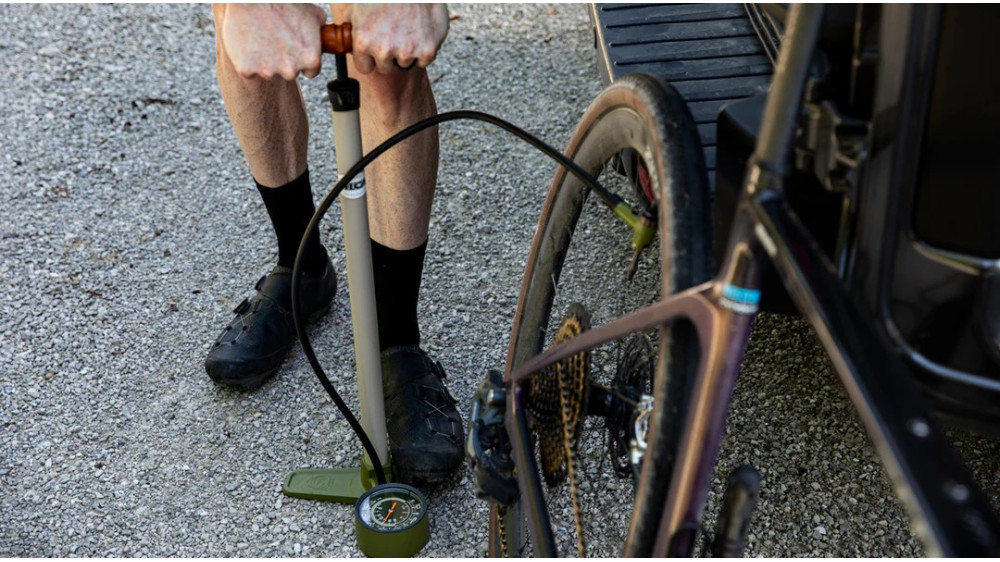
If you only cycle occasionally and usually inflate your tyres at home, a good-quality floor pump may be all you need.
When choosing, the most important thing isn't the smallest size or highest advertised pressure, but whether the pump suits your needs. You can compare models, features and included accessories from different manufacturers in the VELONOVA electric bike pumps category.

 Gifts
 Discounts