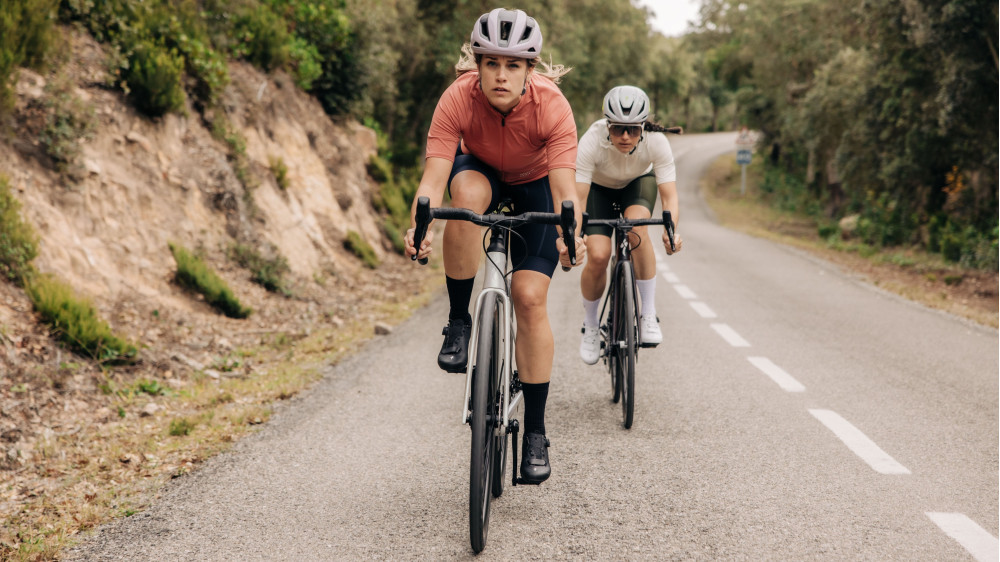
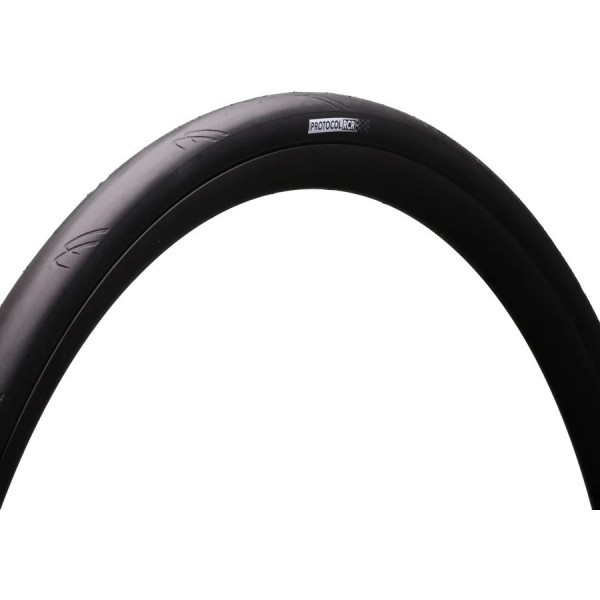
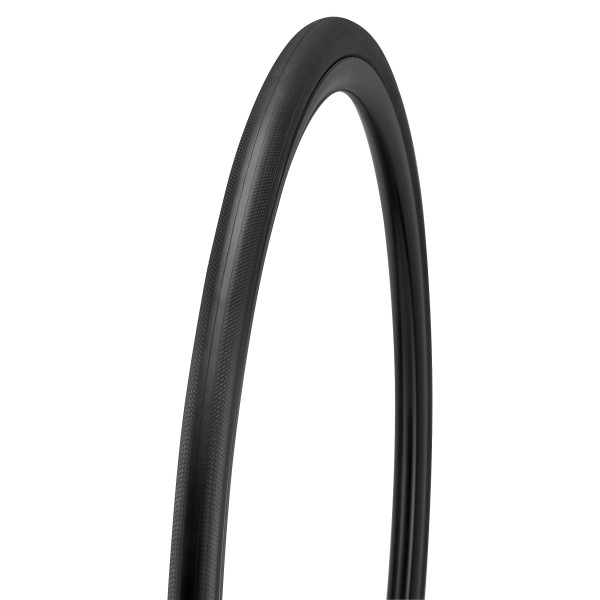
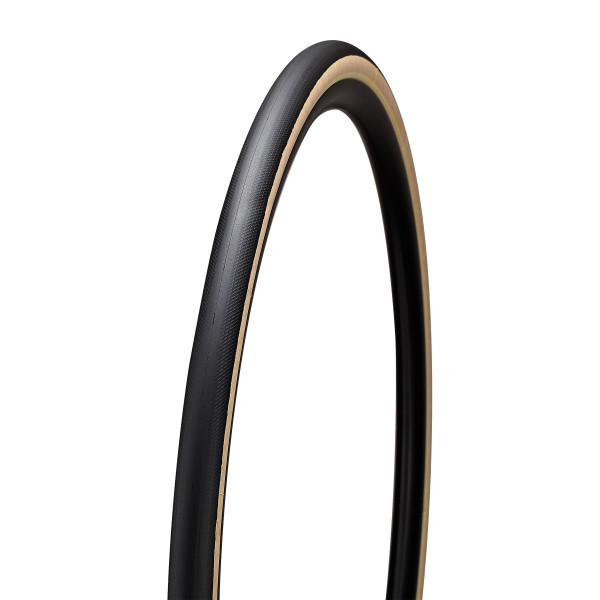
The simplest and most affordable way to improve your riding experience is by adjusting your bicycle tire pressure. Tire pressure can affect speed, comfort, road grip, and the overall stability of your bike.
Your tires are the only contact point between the bike and the road surface. If the pressure is too high, the ride may feel harsh and traction may decrease. If the pressure is too low, pedaling can feel sluggish and the risk of punctures increases. Finding the right balance will help you ride faster and more comfortably.
Tire pressure chart by rider weight and tire width
One of the easiest ways to find the right tire pressure is to consider your body weight and tire width. The heavier the rider, the more air is required in the tires to maintain proper shape and stability.
Below is a general guideline that can serve as a good starting point for most road cyclists using tires with inner tubes.
| Rider weight |
25 mm tires |
28 mm tires |
30 mm tires |
| ≤ 60 kg |
5.5 bar |
4.8 bar |
4.5 bar |
| 60–70 kg |
6.0 bar |
5.2 bar |
4.8 bar |
| 70–80 kg |
6.5 bar |
5.6 bar |
5.1 bar |
| 80–90 kg |
7.0 bar |
6.0 bar |
5.5 bar |
| 90+ kg |
7.5 bar |
6.4 bar |
5.8 bar |
What factors determine the correct tire pressure?
There is no universal tire pressure that works for everyone. The correct pressure depends on your weight, road surface, tire width, and weather conditions.
You can also adjust tire pressure according to personal preference. Riders who are less sensitive to road vibrations often prefer higher pressure, while others enjoy a slightly softer ride.
Rider weight
The total weight of the rider and the bike has the biggest impact on tire pressure. The heavier the system weight, the more air pressure is needed to maintain proper tire shape and ride comfort.
Lighter riders can use lower pressure for improved grip and comfort. Heavier riders may find very low pressure problematic because it can affect handling and increase the risk of rim damage or pinch flats.
Since the rear wheel carries more of the rider’s weight, it is usually recommended to run slightly higher pressure in the rear tire.
Road surface
On smooth asphalt, higher pressure can help maintain higher speeds. However, most roads are not perfectly smooth. Riding with overly hard tires can increase vibration, hand fatigue, and rolling resistance, meaning you may not actually ride faster.
For example, tires with higher pressure tend to bounce off small stones, while slightly softer tires roll over them. Lower pressure allows the tire to absorb irregularities more effectively, resulting in a smoother and more stable ride.
Tire width
Wider tires hold more air volume, which means they usually require lower pressure. This improves comfort and grip without sacrificing rolling efficiency. In recent years, wider tires have become increasingly popular on road bikes for exactly these reasons.
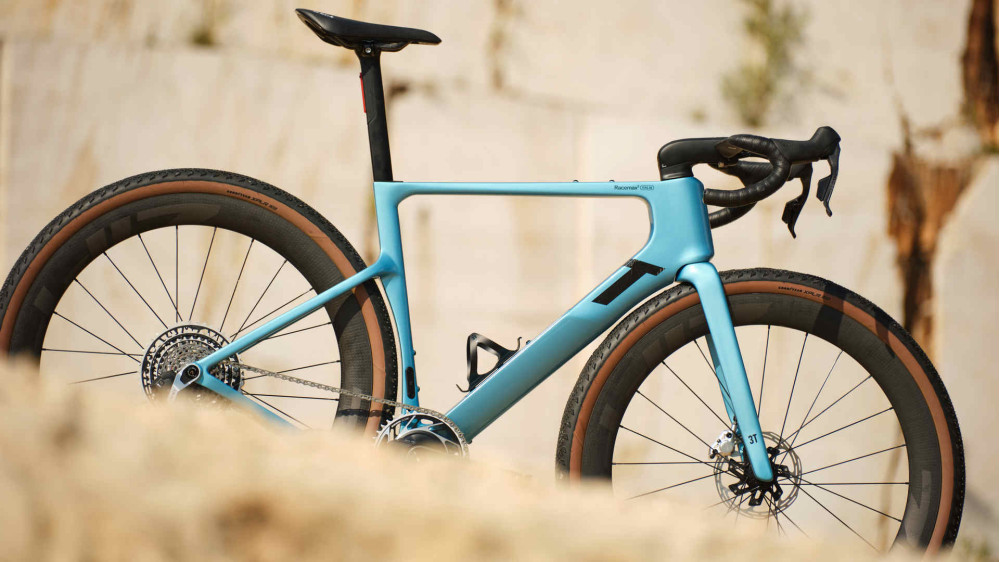
Bicycle manufacturers such as BMC are rapidly adapting their road bike models to support wider tires up to 30–35 mm.
Air temperature and conditions
In rainy conditions it is often beneficial to slightly reduce tire pressure—by about 0.5 bar. This increases the tire’s contact patch and improves grip in corners.
On hot days, the air inside tires expands, which naturally increases pressure. For this reason, it can sometimes be beneficial to start your ride with slightly lower pressure.
Important safety warning: hookless rims
In recent years, more and more bicycle wheels are being produced with a so-called “hookless” rim design. These rims are commonly used in modern carbon wheels, such as certain ZIPP models.
When using hookless rims, always follow the manufacturer’s recommended maximum pressure (up to 5 bar) and never exceed it for safety reasons. Excessive pressure can cause the tire to unseat from the rim.
| Rim type |
Maximum pressure |
| Hooked (traditional) |
up to ~7–8 bar |
| Hookless |
up to 5 bar |
Pressure by tire type (clincher, tubular, and tubeless)
There are three main types of tires used on road bikes: clincher, tubular, and tubeless. The table below summarizes the main differences between these tire types.
| Tire type |
Advantages |
Disadvantages |
Clincher tires with inner tubes
Recommended pressure: 6–8 bar |
- Widely available.
- Compatible with a wide range of wheels.
- Simple installation and maintenance.
- Usually more affordable than tubular or tubeless tires.
|
- Higher risk of pinch flats.
- Inner tubes puncture relatively easily.
- Higher rolling resistance compared to tubular or tubeless tires.
- Limited ability to run lower pressures.
|
Tubular tires
Recommended pressure: 7–9 bar |
- Very lightweight with excellent rolling performance.
- Can sometimes still be ridden briefly even after losing air.
- Commonly used in professional racing.
- Securely glued to the rim.
|
- Complex and time-consuming repairs.
- Installation requires special glue or tape.
- More expensive than clincher or tubeless tires.
- Less practical for everyday or long-distance riding due to repair difficulty.
|
Tubeless tires
Recommended pressure: 4–6 bar |
- Lower rolling resistance than clincher tires.
- No inner tube, reducing the risk of pinch flats.
- Allows lower pressure for improved comfort and grip.
- Sealant can automatically seal small punctures.
|
- Requires compatible wheels and tires.
- More complex initial installation.
- Sealant must be periodically replaced.
- Puncture repair can be messier than with inner tubes.
|
Why do tires lose air?
Even if a tire is perfectly sealed, pressure inside it gradually decreases over time. This is a natural process caused by three main factors.
- Inner tube permeability. Even the highest-quality tubes slowly allow tiny air molecules to pass through.
- Valves. Air often escapes through the valve, especially if dust or dirt gets inside.
- Temperature fluctuations. If the bike is stored indoors and ridden in cold weather (or vice versa), tire pressure naturally changes.
For these reasons, we recommend taking a few seconds to check your tire pressure before every ride.
Tools for maintaining tire pressure
To properly adjust tire pressure, a quality bicycle pump is essential.
For home use, a floor pump with a pressure gauge is the most convenient option. It allows you to see exactly how much air you are adding and easily reach the desired pressure. On longer rides, a small hand pump is useful. For example, a compact electric mini pump can be very practical. While it may not be as powerful as a floor pump, it can save your ride if you get a flat on the road.
FAQ: frequently asked questions
What is the ideal pressure for 28 mm tires?
For most cyclists, the ideal pressure for 28 mm tires is around 5–6 bar. The exact value depends on your weight, road surface, and tire type.
Does lower pressure make a bike slower?
Not necessarily. On rough roads, slightly lower pressure can actually help you ride faster because the tire absorbs vibrations more effectively.
How often should tire pressure be checked?
It is best to check tire pressure before every ride, as tires can lose some air even over just a few days.
Can I ride with lower pressure for more comfort?
Yes, but it is important to stay within a safe pressure range. Too little pressure can increase the risk of punctures and rim damage.

 Gifts
Gifts Discounts