
 Gifts
 Discounts


Bicycle pumps help maintain the correct tyre pressure for everyday rides and longer cycling trips. At Velonova, you'll find mini pumps, floor pumps, electric pumps, CO₂ inflators and other types of pumps. Choose based on ease of use, required pressure and compatibility with your bike's valve.
Bike Pumps


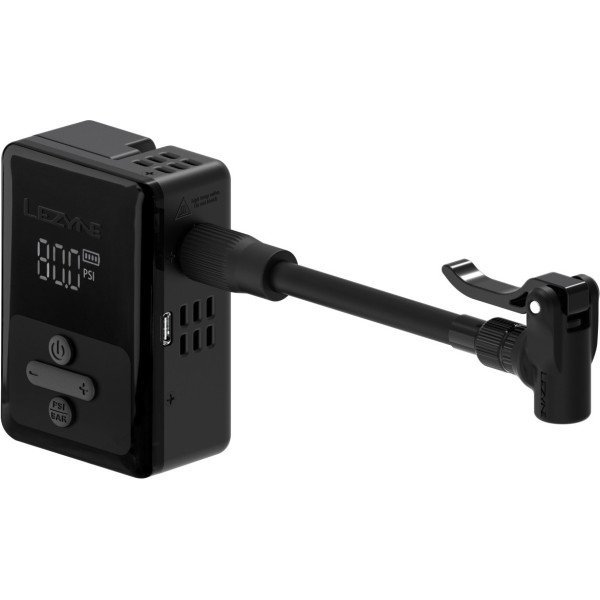
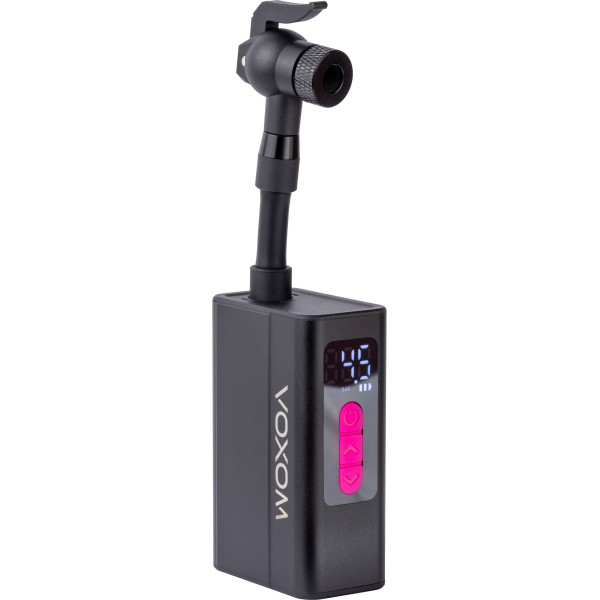
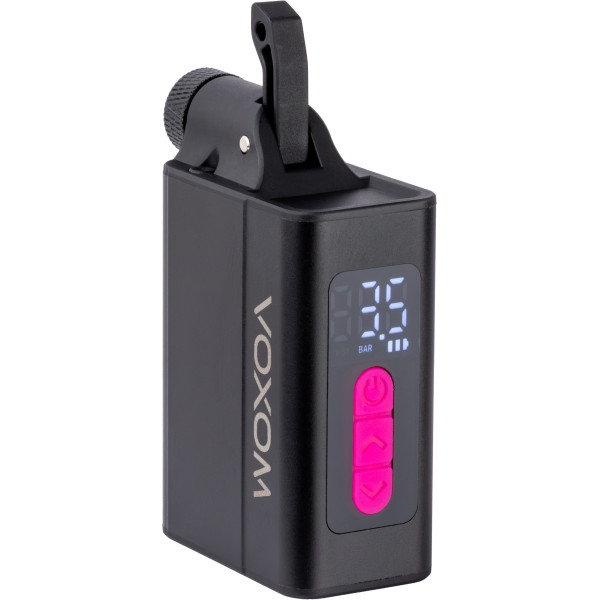

Related Categories
How to choose a bicycle pump?
When choosing a bicycle pump, the most important factors are where you plan to use it, which tyres you need to inflate and the pressure they require. A floor pump is usually the most convenient option for regular use at home, while a compact pump that you can carry on your bike is ideal for rides.
Several main types of bicycle pumps are designed for different needs:
-
Floor pumps – stable and convenient for regularly checking and topping up tyre pressure. Many models feature a built-in pressure gauge.
-
Mini pumps – lightweight and compact, making them easy to carry on everyday rides or longer cycling trips.
-
Electric bike pumps – inflate tyres without manual pumping. Some models allow you to set the desired pressure and automatically stop once it is reached.
-
CO₂ inflators – use compressed gas cartridges to inflate a tyre quickly while out on a ride.
Our range also includes specialist pumps for suspension components, tubeless tyres and other applications. You can explore all pump types in the subcategories above.
Key features to consider when choosing a bicycle pump
A pump's technical specifications determine how convenient it is to use and whether it meets your bike's requirements.
-
Maximum pressure (bar / PSI). Indicates the highest pressure a pump can achieve. Choose a model capable of reaching the pressure your tyres require, but remember that a pump's maximum pressure is not the same as the recommended tyre pressure.
-
Air volume. Pumps that deliver more air per stroke are better suited to wider, higher-volume tyres. High-pressure models make it easier to reach the pressures required by narrower tyres.
-
Pressure gauge. An analogue or digital gauge helps you monitor tyre pressure while inflating. This is particularly useful when you want to adjust the pressure in both tyres accurately.
-
Pump head and hose. A pump head that connects securely and seals properly against the valve makes inflation easier. A flexible hose can reduce stress on the valve, particularly when using small mini pumps.
-
Construction and size. Stability, handle comfort and durability are important for floor pumps, while weight, compact dimensions and frame-mounting options matter more for portable pumps.
Maximum pressure should not be the only factor when comparing pumps. For example, a pump designed to reach very high pressures may not be the most convenient choice for wide MTB tyres, which require a greater volume of air.
Bicycle valve types and pump compatibility
Before buying a pump, make sure its head is compatible with your bike's valve. The main valve types include:
- Presta (SV) – a narrow valve commonly found on road, gravel and mountain bikes.
- Schrader (AV) – a wider valve similar to those used on car tyres.
- Dunlop (DV) – a valve found on some city and traditional bicycles.
- Schwalbe Clik Valve (SCV) – a newer valve system that allows a compatible pump head to click into place without screwing it on or using a locking lever.
Many bicycle pumps feature universal or reversible heads compatible with several valve types. However, always check the specific compatibility listed in the product description. In some cases, an additional adapter may be required. Schwalbe Clik Valve can be used with a compatible pump head or adapter.
Bicycle pump brands and accessories
At Velonova, you'll find bicycle pumps from Lezyne, SKS, Specialized, PRO, BETO, Voxom, Silca and other manufacturers. Their models differ in construction, materials, pressure measurement options and additional features. When choosing a pump, it is worth comparing its specific features rather than focusing on the brand alone.
If you already own a pump but it is no longer compatible with your new valve or some components have worn out, replacing the entire pump may not be necessary. Replacement pump heads, hoses, mounts and valve adapters are available separately.
For more information about different pump types and how to use them, read our guide Bicycle Pumps: What to Consider When Choosing One?.