Updated 6 November 2026
Cycling in low-visibility conditions does not necessarily mean riding in complete darkness. Dusk, rain, fog, snow and overcast skies can all make it harder to see and be seen. For some cyclists, riding in these conditions is part of the daily commute. For others, it is a chance to enjoy quieter streets, fresh air or an evening sunset.
These rides can be enjoyable, but preparation matters. You need to see the road clearly and make yourself visible to other road users. The right bike lights, reflectors, cycling glasses and cycling clothing with visibility-enhancing details can all help.
Bike lights – see the road and be seen
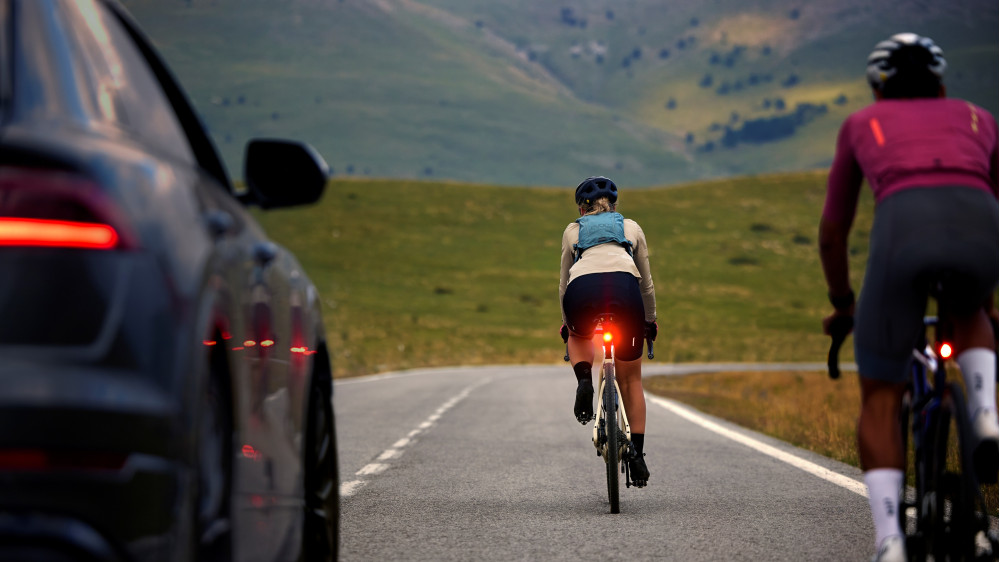
Bike lights are among the most important pieces of equipment for riding in low-visibility conditions. A front light helps you see the road and spot obstacles, while a rear light makes you more visible to traffic approaching from behind.
What do the traffic rules say? In Lithuania, when cycling on roads after dark or in poor visibility, a white front light and a red rear light must be switched on. Cyclists must also wear a high-visibility vest with reflective elements. When riding on the carriageway during daylight hours, cyclists must either wear such a vest or use switched-on front and rear lights. Traffic regulations differ between countries, so check the rules that apply where you ride.
On well-lit city streets, a lower-output front light is often sufficient because street lighting already illuminates the road. The priority is making sure other road users can see you clearly.
On unlit roads, you need a more powerful front light that helps you spot potholes, bends and other hazards in good time. When choosing a light, consider not only its lumen output but also its beam pattern and how far ahead it illuminates the road.
The faster you ride, the earlier you need to spot obstacles. For higher speeds or more demanding trails, a wider beam with a longer reach can be useful. Adjust the light so it illuminates the road without dazzling people coming towards you.
Flashing or steady light? A flashing light can help attract attention during the day, but after dark your front light should provide steady illumination of the road. In rain or fog, correct positioning is particularly important to avoid glare.
Before setting off, check the battery level and estimated runtime of your lights in the selected mode. A spare light can be useful on longer rides, and regularly cleaning dirt from your lights helps maintain their performance.
Reflectors – visibility from different directions
Reflectors return light towards its source, helping drivers notice cyclists when their headlights illuminate a bike or clothing. They are particularly useful for improving visibility from the side.
When using reflectors, their position matters as much as their number:
- Side visibility. Wheel reflectors help make your bike more noticeable at junctions and other places where vehicles approach from the side.
- Moving body parts. Reflective details on shoes or around the ankles can help other road users recognise the movement of someone pedalling.
- Hand signals. Reflective details around the wrists may make hand signals easier to notice.
Under Lithuanian regulations, a bicycle must have a red rear reflector or red rear light, as well as orange reflectors fitted to the wheel spokes on both sides. Additional reflective details on clothing and accessories can further improve visibility.
Cycling glasses – protection from wind, rain and insects
Cycling glasses are useful for more than sunny rides. In darkness or poor visibility, they help protect your eyes from wind, dust, insects and raindrops.
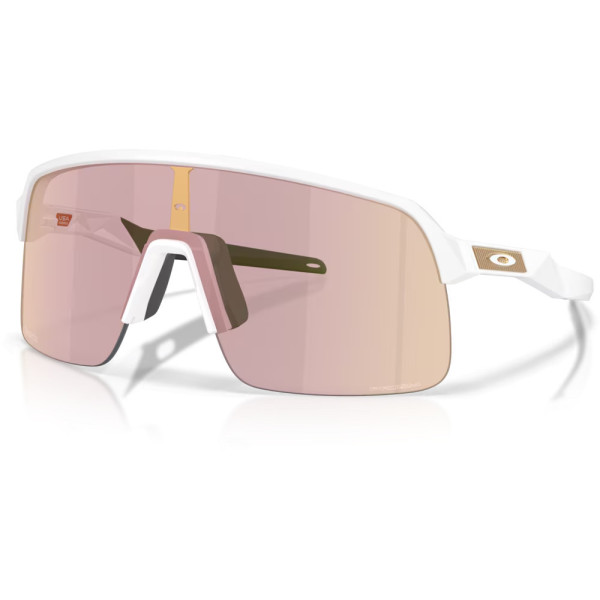
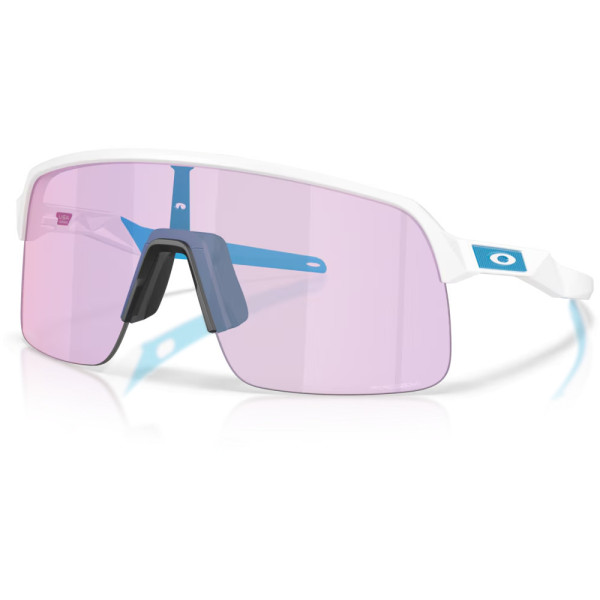
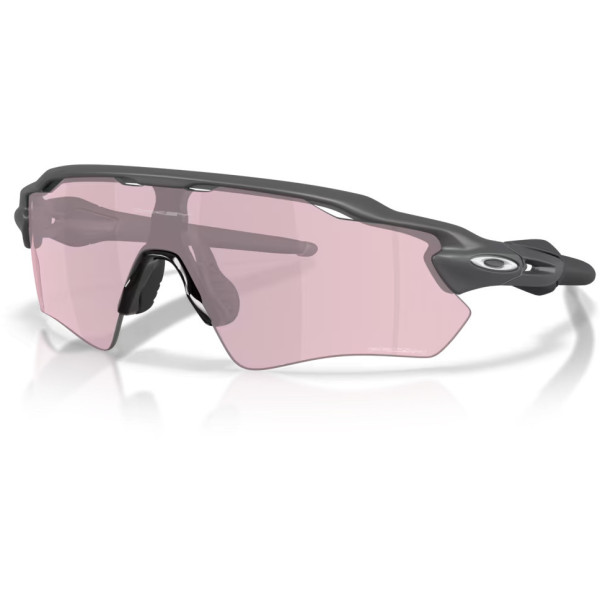
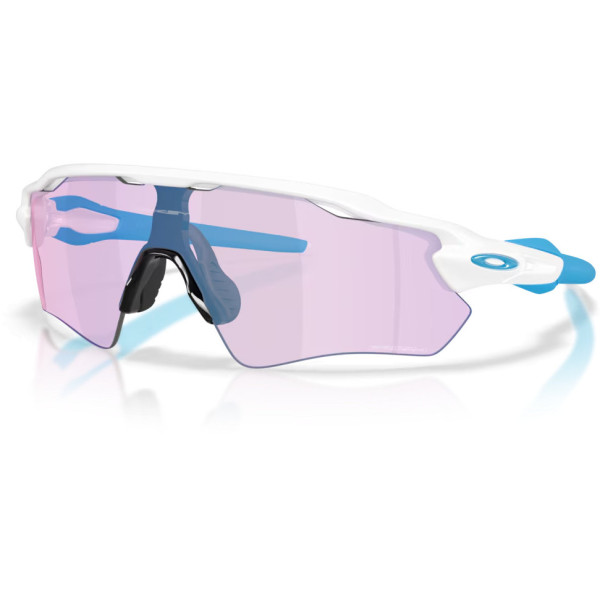
Clear lenses are a practical choice for night riding because they do not significantly darken your view. Photochromic lenses adjust to changing light levels, making them convenient for rides that begin in daylight and continue into dusk. However, not all photochromic lenses become completely clear, so check their light transmission before choosing a pair.
Contrast-enhancing lenses can also be useful on overcast days, but after dark the priority is choosing lenses that do not unnecessarily reduce the amount of light reaching your eyes.
What cycling clothing helps you stay visible?
In low-visibility conditions, bright clothing with reflective details is a sensible choice. Bright colours help you stand out during the day, while reflective elements become especially useful after dark when illuminated by vehicle headlights.
Reflective details are helpful not only on the back of a jacket but also on the front, sides and moving parts of the body. This can make you easier to notice from different directions.
Remember to dress for the weather too. A waterproof jacket is useful in rain, while wind-resistant layers help in cooler conditions. Clothing should allow you to move freely.
If you cycle on roads in Lithuania after dark or in poor visibility, remember the high-visibility vest with reflective elements required by local traffic regulations.
How to prepare for cycling in the dark or poor visibility
Even with the right equipment, it is important to adapt your riding to the conditions. Before leaving, consider your route, the weather forecast and how long the journey will take.
- Choose a familiar route. Potholes, changes in road surface and unexpected obstacles are harder to spot in the dark.
- Reduce your speed. This is especially important in rain, fog or on unlit paths. Ride at a speed that allows you to stop within the distance you can see ahead.
- Check your bike. Make sure the brakes work properly, the tyres are in good condition, and your lights and reflectors are clean and unobstructed.
- Assess the weather. Heavy rain, dense fog or slippery roads can reduce visibility and grip so much that postponing the ride is the better option.
Cycling after dark can offer a different experience, from peaceful city streets to a sunset in the countryside. With suitable lighting, good visibility and a pace that matches the conditions, you can enjoy the ride with greater confidence.

 Gifts
 Discounts