
 Gifts
Gifts Discounts

Balansiniai dviratukai padeda vaikams išmokti išlaikyti pusiausvyrą, vairuoti ir pasiruošti pirmajam dviračiui su pedalais. Rinkdamiesi balansinį dviratuką atsižvelkite į vaiko ūgį, balnelio aukštį, dviratuko svorį ir ratų tipą.
Balance Bikes for Kids





-600x600.jpg "Early Rider Bella Velio Balance Bike | Pistachio Green")
-600x600.jpg "Early Rider Bella Velio Balance Bike | Powder Pink")
Related categories
Balance bike: what do you need to know?
A balance bike helps a child learn to balance, steer and control their movement before progressing to their first pedal bike. Children move by pushing off the ground with their feet, naturally developing coordination and gaining confidence while riding.
Balance bikes do not have pedals, while some models also feature a hand brake. When choosing one, consider not only the child’s age or wheel size, but also their height, inseam, saddle adjustment range and the weight of the bike itself.
How to choose a balance bike for a child?
One of the most important factors is the correct saddle height. When sitting on the balance bike, the child should be able to place their feet firmly on the ground and push off comfortably. Before buying, it is therefore worth comparing the child’s inseam with the saddle height adjustment range specified by the manufacturer.
The weight of the balance bike is also important. A lighter model is easier for a small child to control, turn, stop and lift. For younger children in particular, a bike that is too heavy can make their first attempts at riding more difficult.
Which balance bike frame should you choose?
Balance bikes are made from different materials, each with its own advantages:
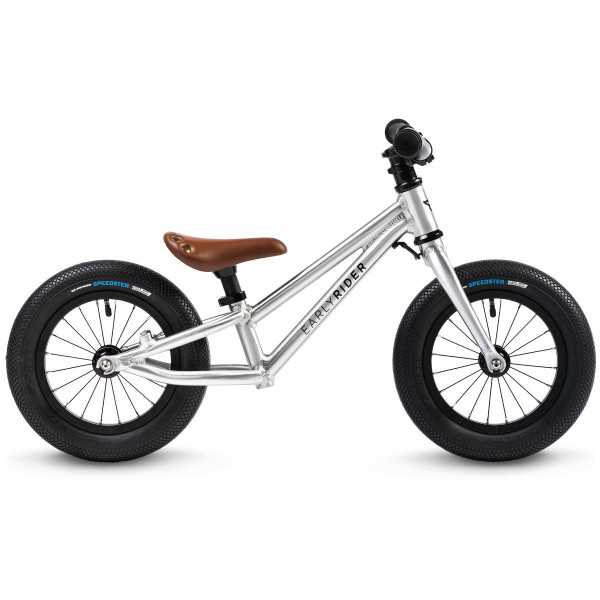
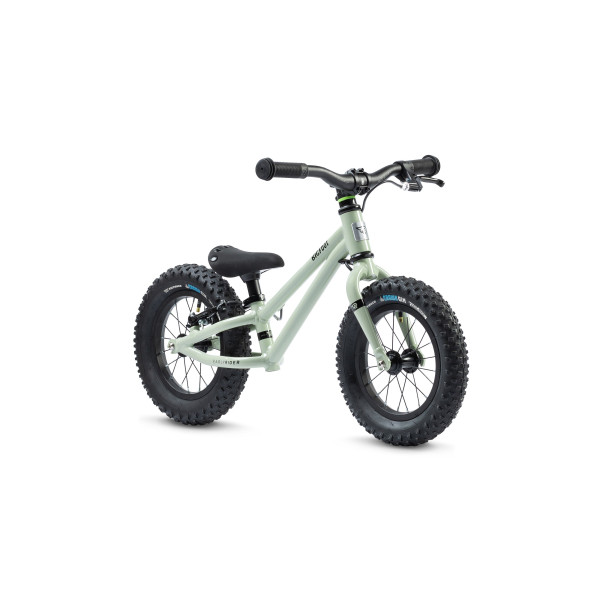
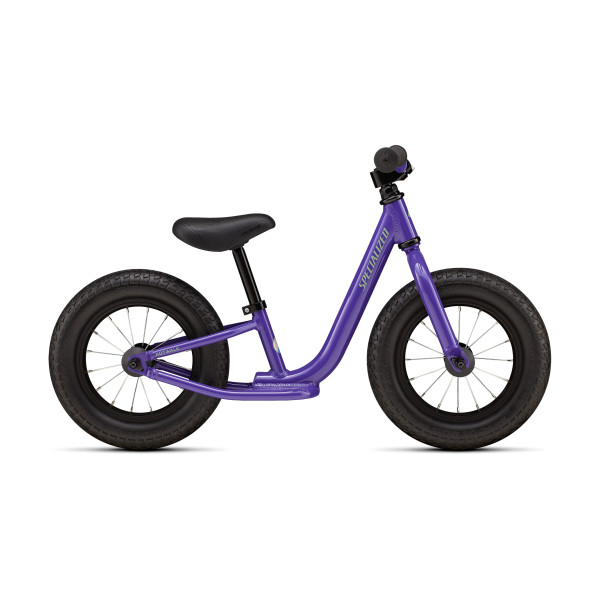
- Aluminium frame – lightweight, strong and corrosion-resistant. It is a practical choice for active everyday use.
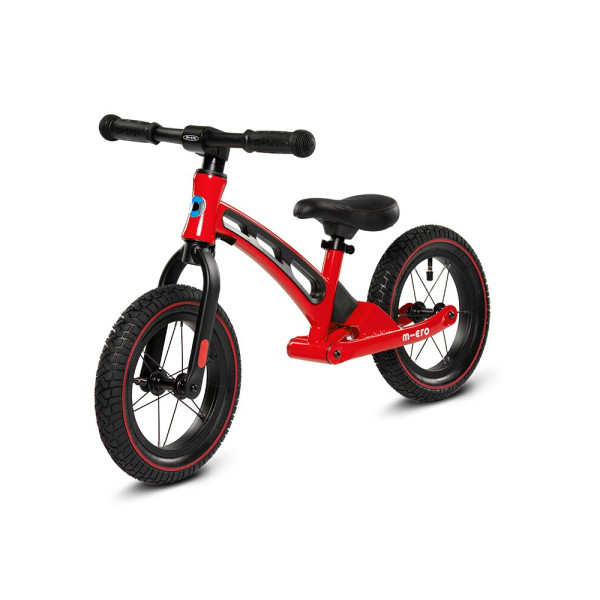
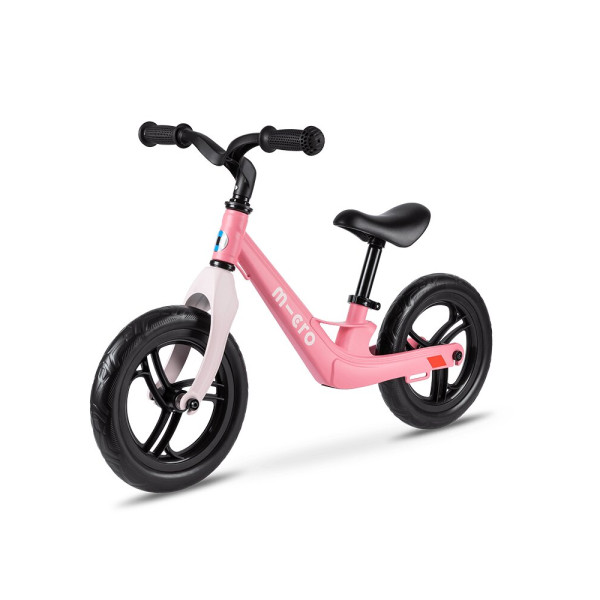
- Plastic frame makes it possible to produce a very lightweight bike that is easy for a small child to control and lift. These models also require little maintenance.
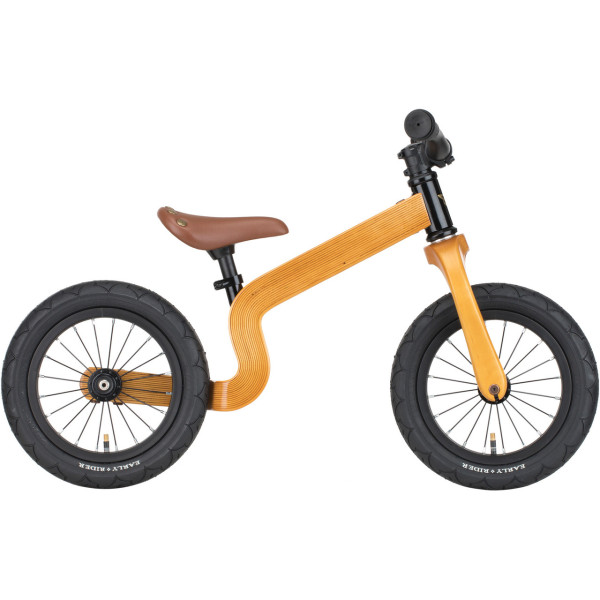
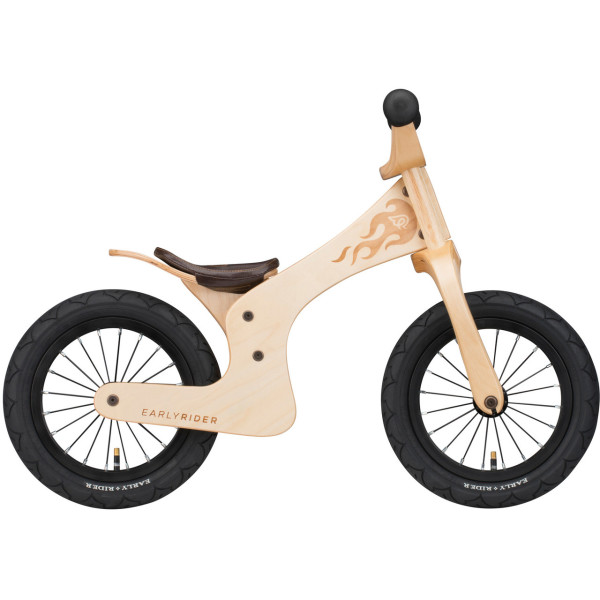
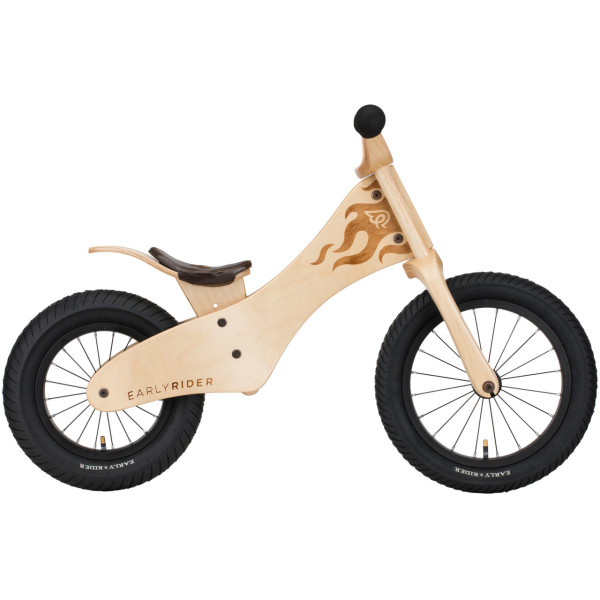
- Wooden frame has a natural appearance and can absorb vibrations well, but is generally more sensitive to moisture and requires more care.
Which wheels and tyres should you choose?
Wheel size affects the bike’s geometry and suitability for children of different heights, but wheel diameter alone should not be used to determine the right model. Always check the manufacturer’s recommended child height and saddle height range.
Tyre types also differ. Air-filled tyres absorb bumps better and provide more grip, making them suitable for different surfaces. Solid tyres do not need inflating and cannot be punctured, making them easier to maintain.
What age is a balance bike suitable for?
Children often start using balance bikes at around 1.5–2 years old, although children of the same age can vary considerably in height and physical ability. Therefore, whether you are looking for a balance bike for a 1-year-old, 2-year-old or older child, the most important thing is to check whether the particular model suits the child’s height and inseam.
Many balance bikes have an adjustable saddle, allowing the same model to be adapted as the child grows. Some models also have adjustable handlebar height.
If possible, it is worth trying the balance bike in person. At the VELONOVA physical store, you can compare different models and check which one is most comfortable for your child.
When should a child move to a pedal bike?
Once a child can ride a balance bike confidently, maintain balance with their feet off the ground, control their direction and stop safely, they can start trying a kids' pedal bike.
There is no need to rush into buying an oversized bike “to grow into”. A child’s first pedal bike should suit their height and abilities so that it is easy to control and inspires confidence.
Safety from the very first ride
A balance bike helps a child gradually develop essential bike-handling skills. From the first rides, it is also recommended to get the child used to wearing a properly fitted kids' cycling helmet.
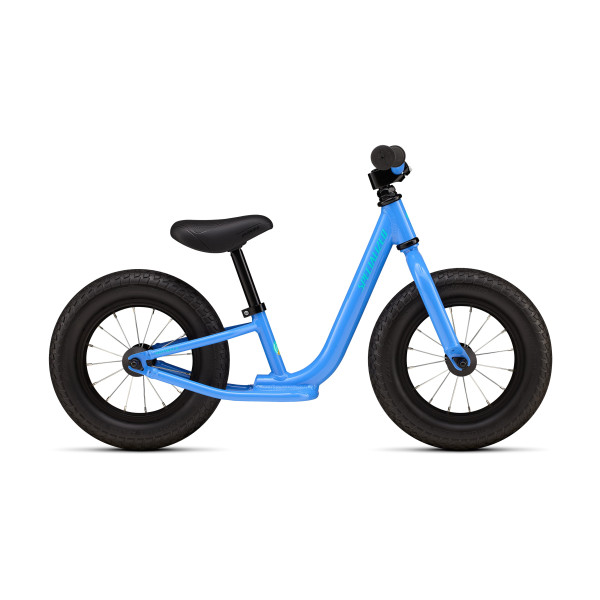
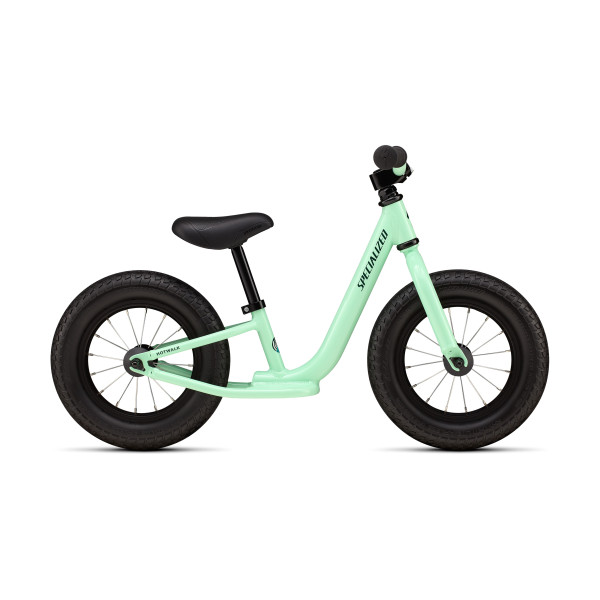
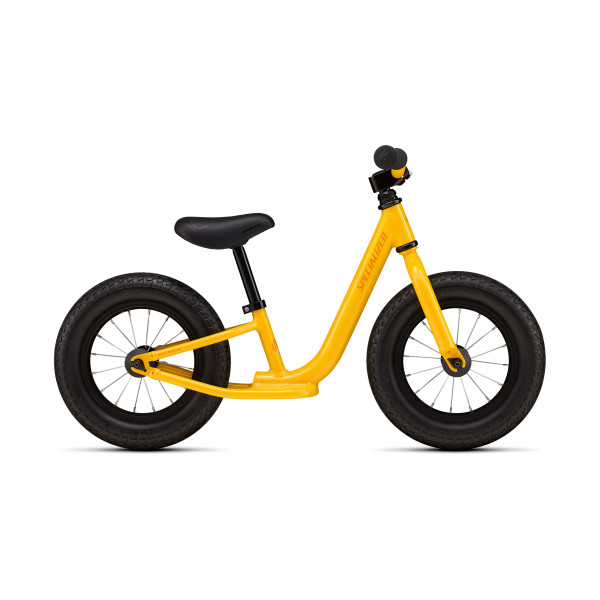
At VELONOVA, you will find balance bikes for children of different heights and riding abilities, including Specialized Hotwalk, Early Rider Charger, Early Rider Big Foot, Early Rider SuperPly, Early Rider Bella Velio, Early Rider Super Velio and Micro Balance. When choosing a particular model, we recommend comparing its weight, saddle height range, wheel and tyre type, and the manufacturer’s recommendations.
For better visibility in low-light conditions, you can also choose bike lights.
These are two different ways of learning to ride. A balance bike allows a child to focus first on balance and bike control, while training wheels provide additional support. A child who can already balance confidently on a balance bike may not need training wheels when moving to a pedal bike.
Not necessarily. Younger children riding at low speeds often stop using their feet, but a hand brake can be useful as a child starts riding faster. It can also help them learn how to use a brake lever before moving to a pedal bike.
A child should wear a properly sized and adjusted cycling helmet when riding a balance bike. Getting used to wearing a helmet from the first rides also helps establish the habit before moving to a pedal bike.
If a child can already balance independently, start riding confidently, steer and stop on a pedal bike, a balance bike is usually no longer necessary. It is most useful during the learning stage when a child is still developing balance and bike-handling skills.