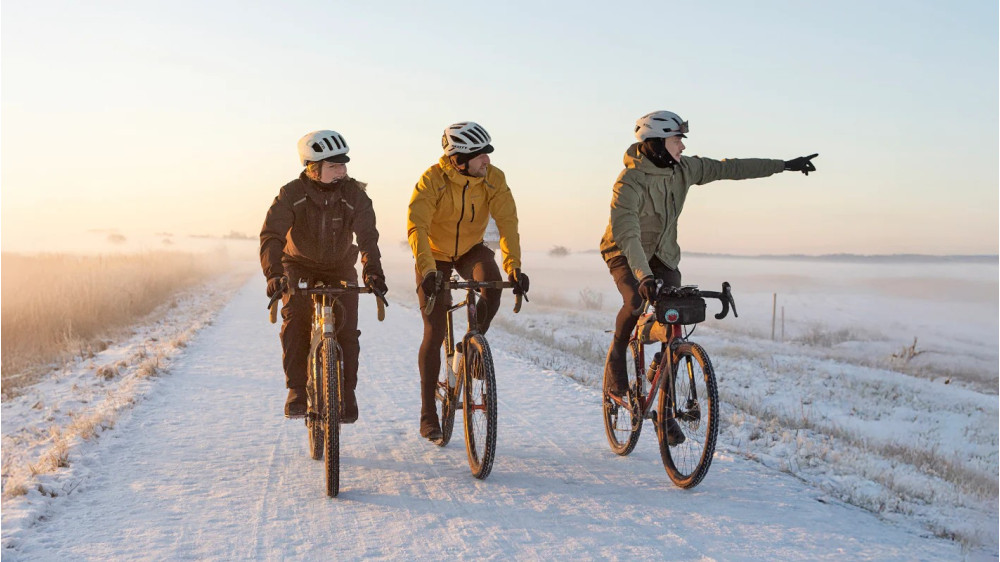
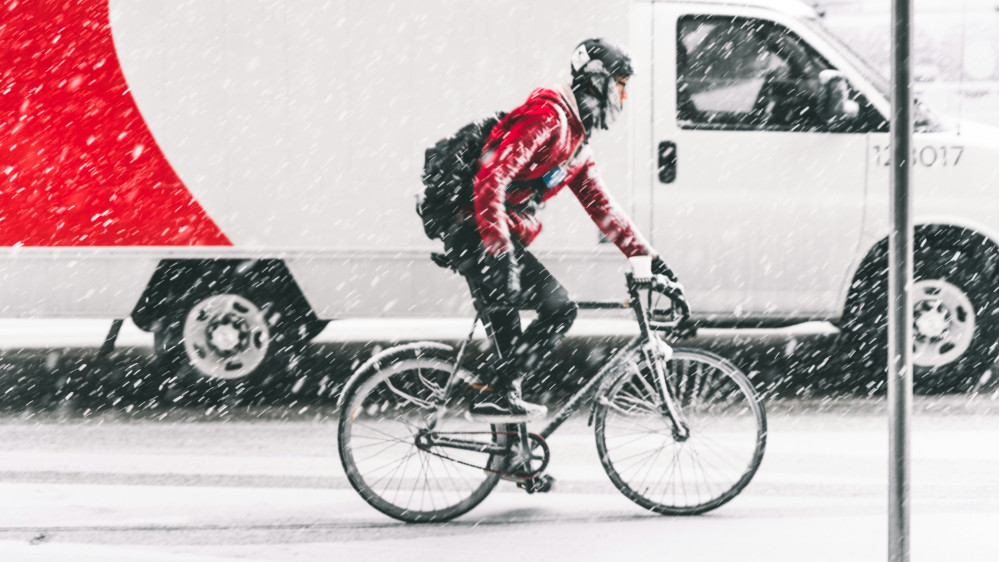
Cycling in winter is absolutely possible, and in many cases it’s far more enjoyable than it might seem at first glance. The key is preparation. Slippery, salt-covered roads, cold moisture, and low temperatures bring their own challenges, but all of them can be managed.
Preparing your bike specifically for winter is essential if you want it to last longer and require less repair work in spring. Your own safety is just as important – winter or studded tyres improve grip, good lights increase visibility, and regular chain and brake maintenance helps prevent accelerated wear. What you do after the ride also matters: how you clean the bike, where you store it, and whether you allow it to dry properly.
In this guide, you’ll find clear advice on winter tyres, lighting, brake and chain maintenance, and what’s worth doing after every ride to keep your bike in good condition for longer.
Preparing for winter rides
In winter, a bike has to cope with challenges that are far less common in summer: road salt, mud, snow, and constant moisture. Riders face their own challenges too – shorter days, reduced visibility, and unpredictable road conditions. That’s why it’s worth preparing both yourself and your bike before heading out.
The first step is to realistically assess your routes. In winter, we recommend choosing well-lit streets, avoiding steep descents, bridges, and areas where black ice often forms. Even in the city, road conditions can vary greatly, so if possible, adjust your daily route to use better-maintained and properly lit roads.
The second step is “winterising” your bike. This doesn’t require expensive modifications. In many cases, mudguards, suitable tyres, and regular maintenance are enough to protect your chain and cassette from rapid wear.
Do you need a separate “winter bike”?
Some cyclists choose a dedicated winter bike, often called a “winter beater”. This is usually a simpler steel or aluminium bike with durable components and a cheaper drivetrain, making it less painful to ride through salt, mud, and slush. Others successfully adapt their existing bike for winter use. Both options are valid – the most important thing is that the bike is safe, reliable, and properly prepared for the season. The table below highlights the differences between these two approaches.
| Option |
Dedicated winter bike
(steel / aluminium) |
Adapting your existing bike for winter |
| Pros |
Less worry about wear, no stress over salt and dirt, cheaper components that are easier and less expensive to replace when they wear out quickly. |
No need to buy another bike – mudguards and winter tyres are usually enough. |
| Cons |
Requires extra storage space and a separate budget. |
Faster wear of the chain, cassette, and brakes, so the bike needs more maintenance. |
| Best for |
Those who ride often, daily, or throughout the whole winter. |
Those who ride less frequently or only on good winter days. |
Winter tyres, pressure, and visibility
In winter, your safety depends on grip, correct tyre pressure, and visibility. Good tyres help you stay in control on slippery surfaces, proper pressure improves stability, and visibility ensures other road users can see you. Below, we cover each of these aspects in more detail.
Winter / studded tyres and pressure
In winter, tyres have the biggest impact on safety. Properly chosen winter tyres allow you to feel confident even when the road is wet, snowy, or partially iced over.
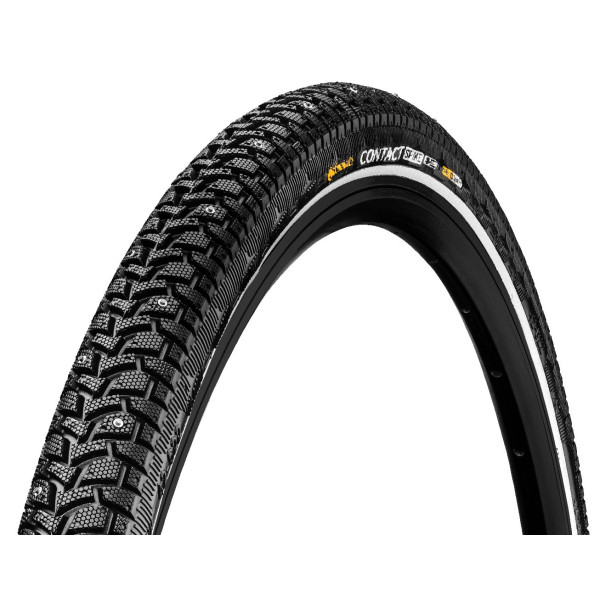
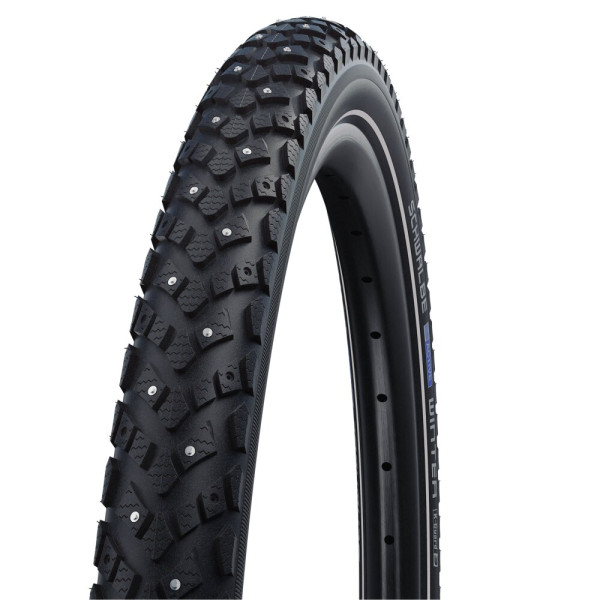
Winter tyres are typically thicker and heavier, designed to be used at lower pressures, and have deeper, more open tread patterns. This helps maintain grip on cold asphalt or snow. If you often ride on compacted snow or black ice, studded tyres are worth considering – metal studs bite into the ice and significantly reduce the risk of slipping.
In the city or on well-maintained roads, versatile all-weather tyres are usually enough, especially if they are slightly wider. A wider tyre provides a larger contact patch, so you’ll ride more steadily.
Tyre pressure matters just as much. In winter, lower it slightly – a softer tyre adapts better to uneven surfaces and improves grip. However, always check the manufacturer’s recommendations on the tyre sidewall and don’t go below the minimum pressure limit to avoid tyre damage or rim deformation. Also remember that in very cold weather, air contracts, so when you take your bike from a warm room into the cold outside, tyre pressure will naturally drop by a few percent. As a result, you may need to inflate your tyres more often than in warmer seasons.
Lighting and visibility (lights, reflectors)
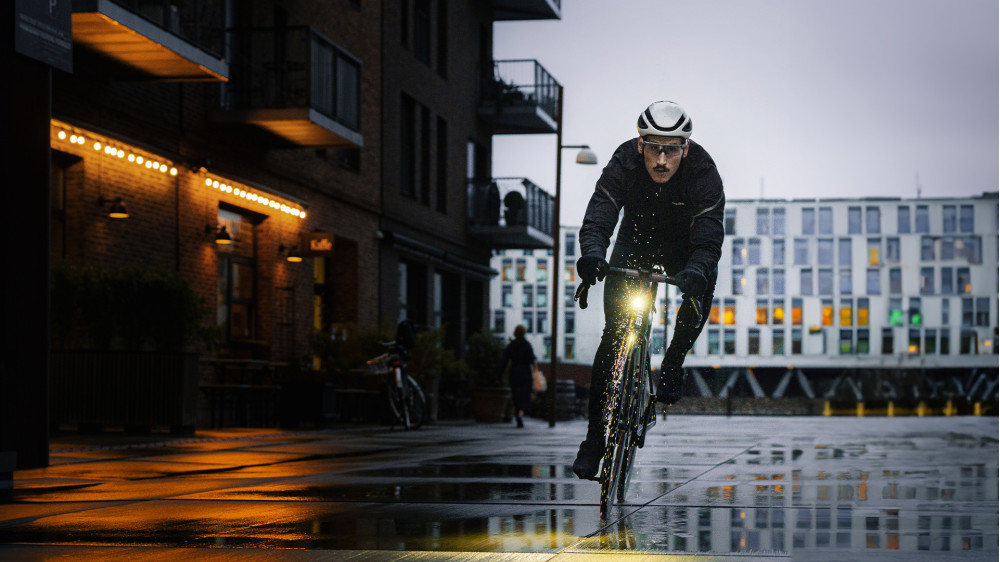
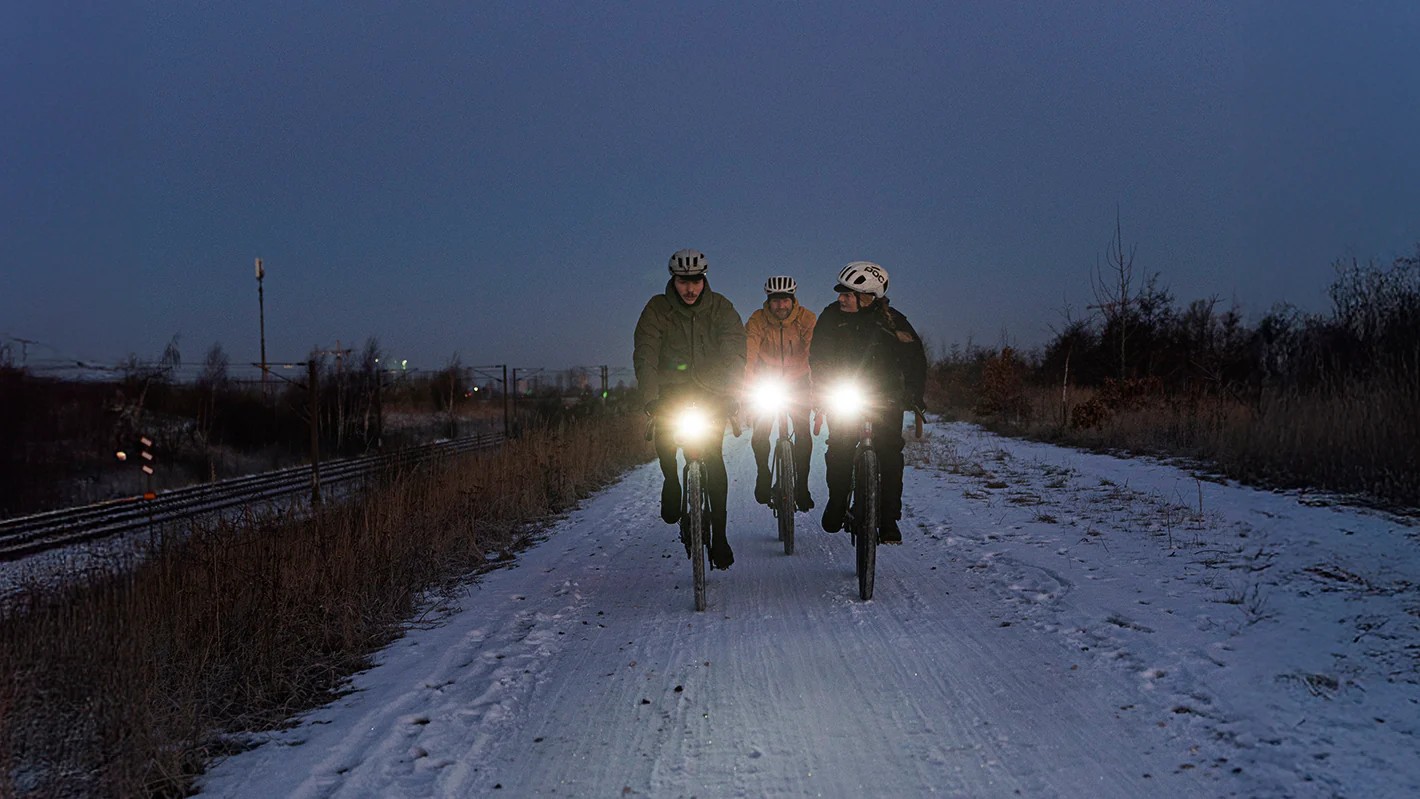
Winter days are short, skies are often overcast, and it gets dark much earlier than in summer – so riding without good lights is strongly discouraged.
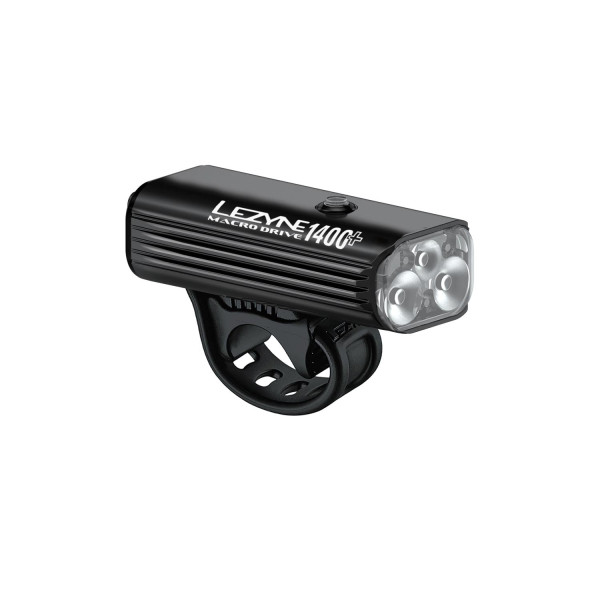
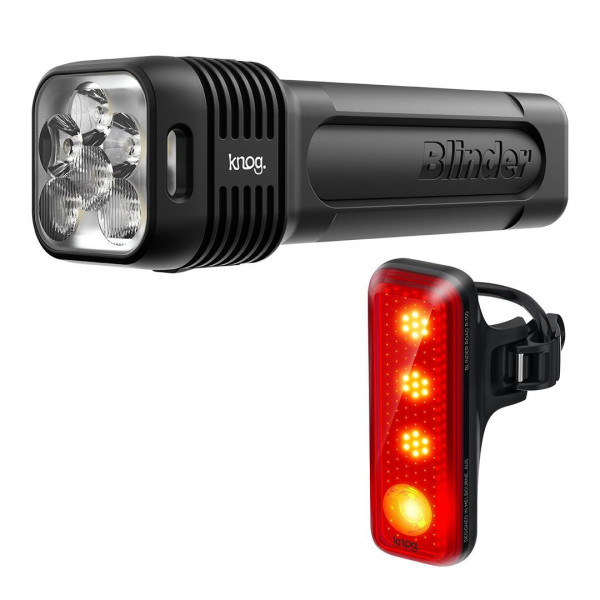
Up front, you need a sufficiently powerful white light – it not only illuminates the road, but also clearly signals your presence to other road users. At the rear, a bright red light is essential, and we recommend using a flashing mode – it stands out more than a steady beam.
A helmet-mounted light is also extremely useful. It moves with your head, so in corners or darker areas you’ll see exactly what you’re looking at, and your movements become easier for others to predict.
Reflectors on your wheels, frame, or clothing are also helpful – they improve side visibility, which is especially important at intersections. Since batteries drain faster in cold weather, it’s smart to carry spares or at least regularly check your lights’ charge before each ride.
Staying safe on snow and ice
In winter, your riding style needs to change. Even if your bike is perfectly prepared and you’re using winter tyres, road conditions can change every few metres, so it’s important not to rush, to leave more space to other road users, and to keep all manoeuvres as smooth as possible.
The safest approach is to start braking earlier and apply the brakes evenly or with gentle pulses. Hard braking – especially with the front brake – can easily lead to a skid. If you need to brake near a corner, increase lean gradually, and if the surface looks very slippery, the safest option is to reduce speed to a minimum.
If you hit “black ice”, keep the handlebars straight, avoid sudden pedalling, and let the bike roll through. Pay extra attention to manhole covers, road markings, rails/tracks, bridges, and cobblestones – these areas are usually the slickest.
If you ride an e-bike, start in a lower assist mode to prevent the rear wheel from spinning out.
MTB specifics in winter
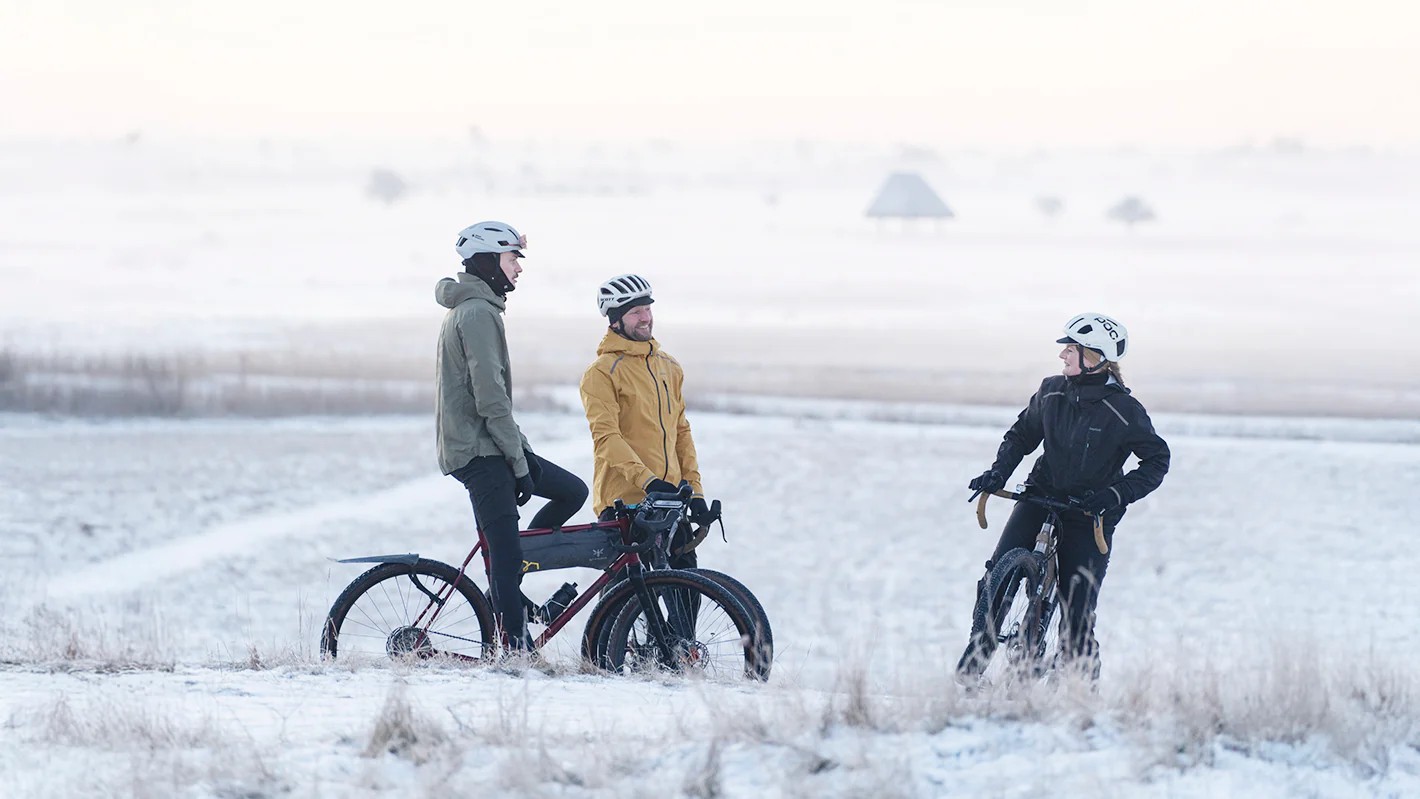
A mountain bike (MTB) has a few clear advantages in winter: wider tyres, stable geometry, and better grip help you feel more confident on snow, mud, or uneven forest trails.
Riding rhythm. In winter, riding becomes slower and more focused on balance rather than speed. Constantly adapting to changing surfaces requires concentration, making it a great opportunity to improve balance and bike handling skills instead of chasing speed records.
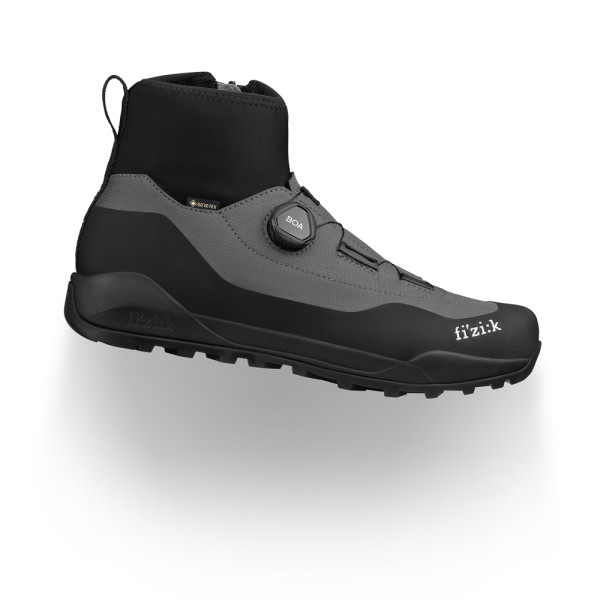
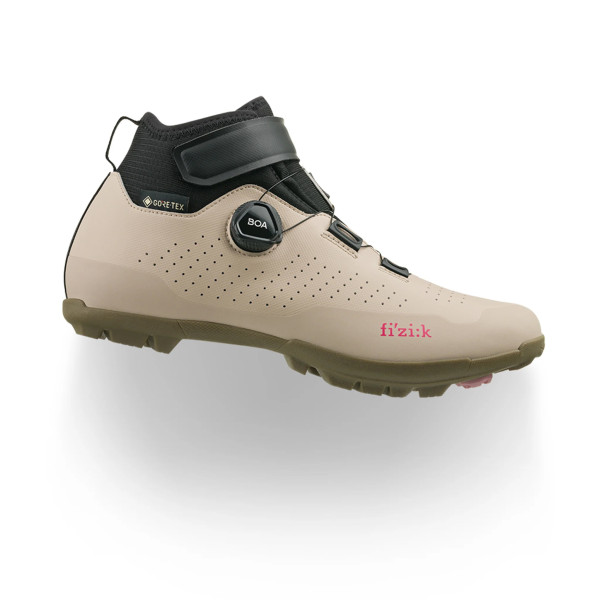
Pedals and footwear. In winter MTB riding, platform pedals can be very useful – they’re easier to clear of mud and snow, and in slippery situations you can put a foot down much faster. It’s also worth choosing warmer MTB shoes with a deeper, more aggressive tread – they’re especially helpful when you need to get off and push the bike through deeper snowdrifts or icy sections.
Bike maintenance in winter (seasonal service)
Before the winter season begins, give your bike a thorough check. Winter conditions are much harsher, and a seasonal service helps prevent bigger problems later. Do the same checks again after the winter season.
- Bearings and key areas. Check the headset, bottom bracket, and seat area bearings. Fresh grease in these areas is the best barrier against moisture and road salt.
- Brakes. Brake pads wear much faster in winter, so it’s very practical to keep a spare set at home. If possible, consider bleeding your brake system – this helps braking remain precise and reliable even in difficult conditions.
- Drivetrain. Make sure cables move smoothly and your chain isn’t overly stretched – cold and dirt only amplify shifting issues.
If you want complete peace of mind about your bike’s condition, you can bring it to the VELONOVA service – we’ll make sure it’s fully prepared for winter riding.
Cleaning, drying, and component care
How do you protect your bike from salt, snow, and moisture? A regular but simple routine after every ride helps prevent corrosion and expensive repairs:
- Wipe off snow, dirt, and moisture. After each ride, at least quickly wipe the bike with a damp cloth – this removes dirt and water that damage metal parts and electronics.
- Degrease the moving parts. While turning the pedals, wipe off lube that has mixed with dirt and salt. Dirty lube loses its anti-corrosion properties and no longer lubricates properly, and the chain wears much faster.
- Lubricate again. Re-lube the cleaned chain with a winter lube or wax to create a protective layer that helps keep moisture away from metal.
This simple winter routine significantly extends the service life of many bike parts and lets you enjoy riding with less worry.
Storing your bike in winter
The biggest enemies of your bike in winter are moisture, cold, and temperature swings. A wet bike left in an unheated space will rust faster and can damage bearings and brake components.
The best place to store your bike is a dry, ventilated space where the temperature doesn’t drop below freezing: a garage, storage room, or even inside your home. If you store your bike on a balcony or outdoors, use a protective cover to shield it from snow and rain.
Protection from moisture and cold (including e-bike batteries)
If you want to give your bike even stronger “immunity” against salt and moisture, you can coat the frame with a ceramic or nano coating. A coated frame stays cleaner for longer and is much easier to wash after rides. Just make sure these products don’t get on brake rotors or pads. You can also protect the chain with hot wax – this method provides long-lasting lubrication.
For e-bike batteries, winter is the biggest challenge. Store batteries at room temperature and keep them at around 40–60% charge. After riding in the cold, don’t charge the battery immediately – wait at least an hour for it to warm up to indoor temperature. This helps protect battery capacity and extends its lifespan.
Useful accessories and clothing for winter
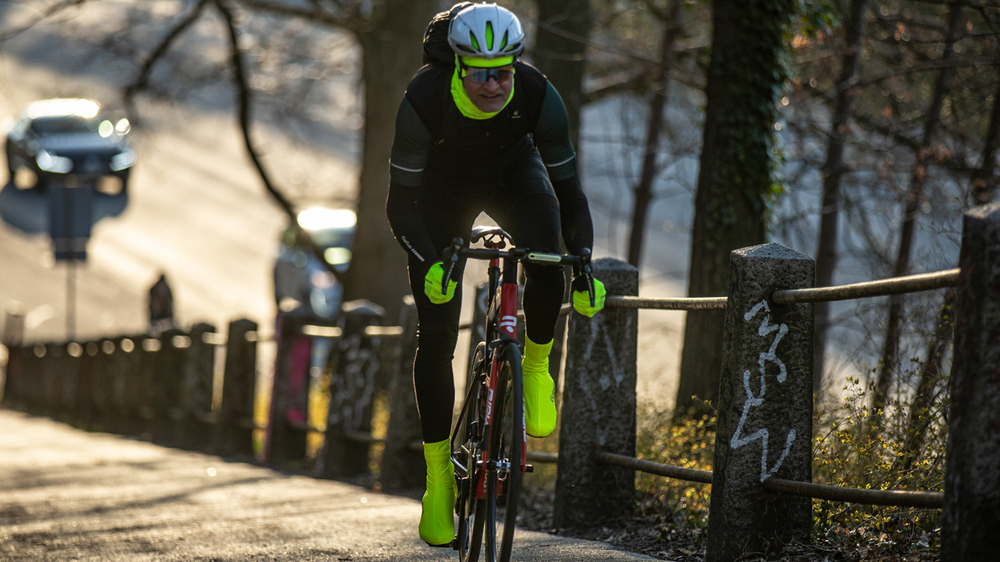
It’s best to dress in layers. The first layer should be breathable, the second should retain warmth, and the outer layer should protect from wind, rain, or sleet. A winter jacket doesn’t have to be extremely thick – what matters more is wind resistance and reflective details. Trousers should also protect from wind and moisture, but still allow free movement.
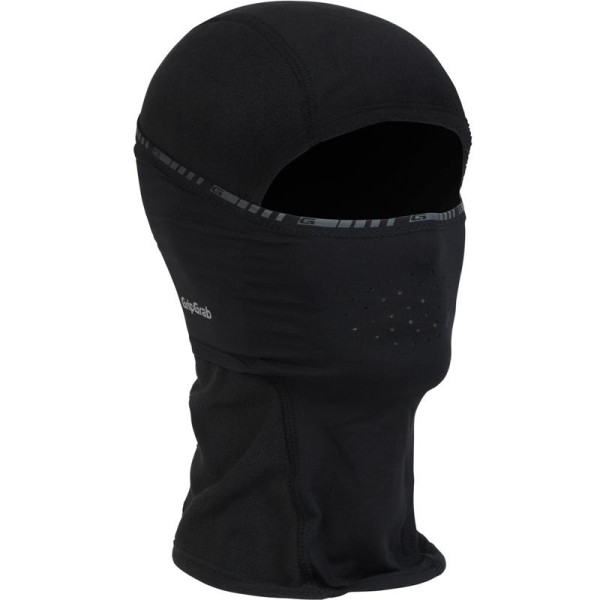
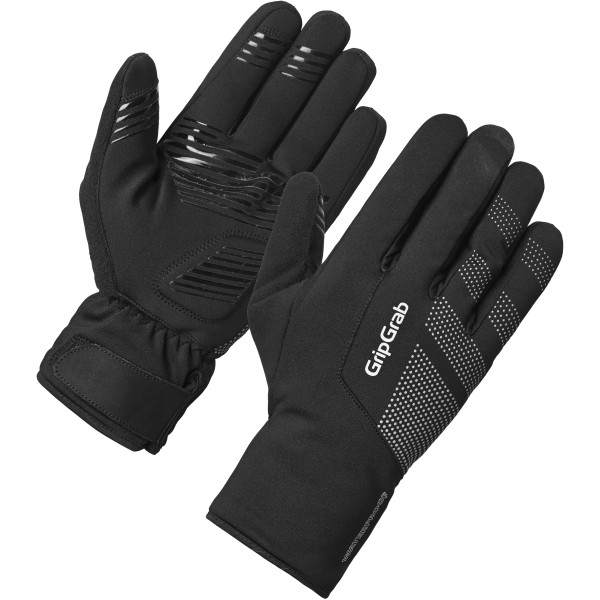
Among accessories, warm but flexible gloves are especially important – hands get cold the fastest in winter. Under your helmet, a thin cap or neck gaiter helps protect your ears and neck. Waterproof shoe covers are useful for keeping your feet warm and dry in slush and wind. It’s also worth considering mudguards and waterproof bags so both you and your belongings stay dry after a ride.
If you’re planning to ride through winter but have questions about tyres, lighting, maintenance, or proper clothing, feel free to contact the VELONOVA team. At our physical store at J. Baltrušaičio g. 1 in Vilnius, our specialists can help prepare your bike for winter, advise on the right accessories, or recommend service work. If it’s more convenient, you can also consult us remotely. With the right preparation, winter cycling can become an enjoyable part of everyday life rather than a challenge.

 Gifts
Gifts Discounts