How to choose a cycling helmet?
When choosing a cycling helmet, first consider where and how you ride most often. For everyday city rides, comfort and practicality are important; for longer and more intensive rides, low weight and good ventilation matter more; while for forest trails and more technical terrain, a secure fit and greater head coverage are important.
The next important step is choosing the right size. The helmet should sit securely on your head without feeling tight or uncomfortable. Once you have chosen the right size and type, compare specific models based on ventilation, weight, adjustment system and additional protection technologies.
There is no single best cycling helmet for everyone. The right helmet is one that suits your riding style, fits well and is comfortable to wear.
How do cycling helmets differ?
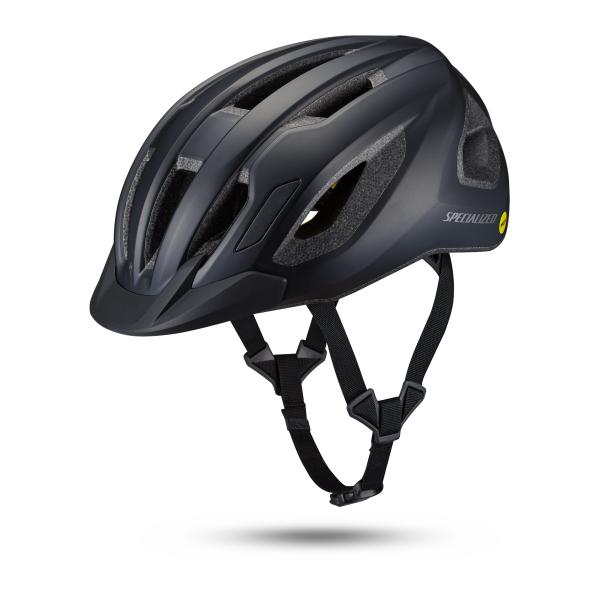
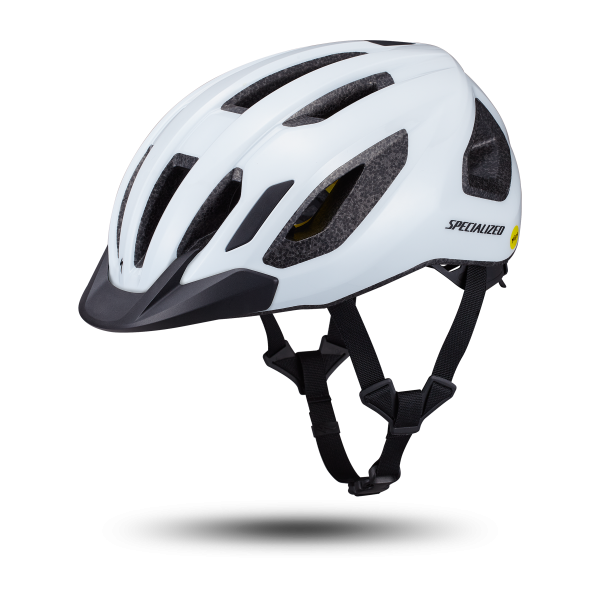
Cycling helmets designed for different riding conditions vary in their construction. City helmets generally focus more on everyday comfort and practical features. Some models have reflectors, rear lights or the option to attach one.
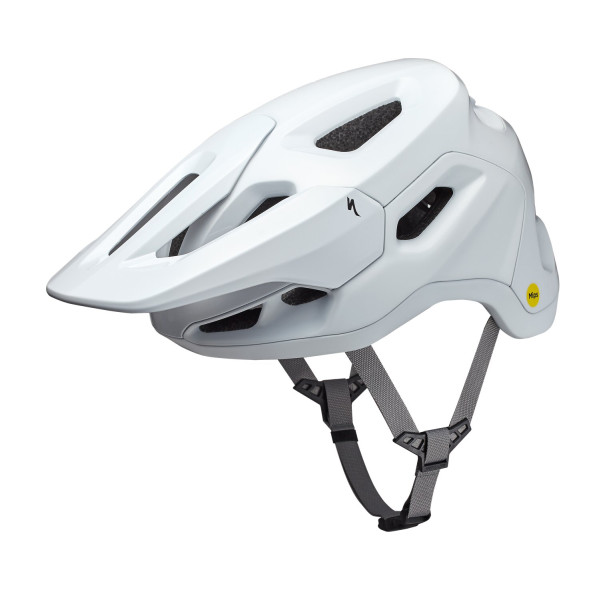
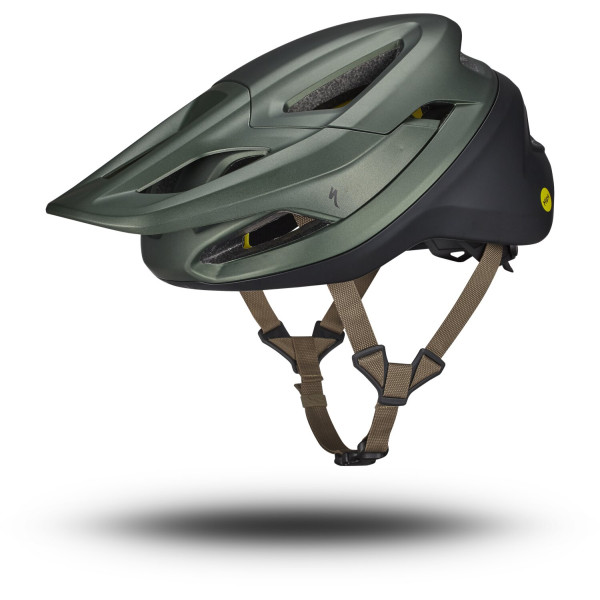
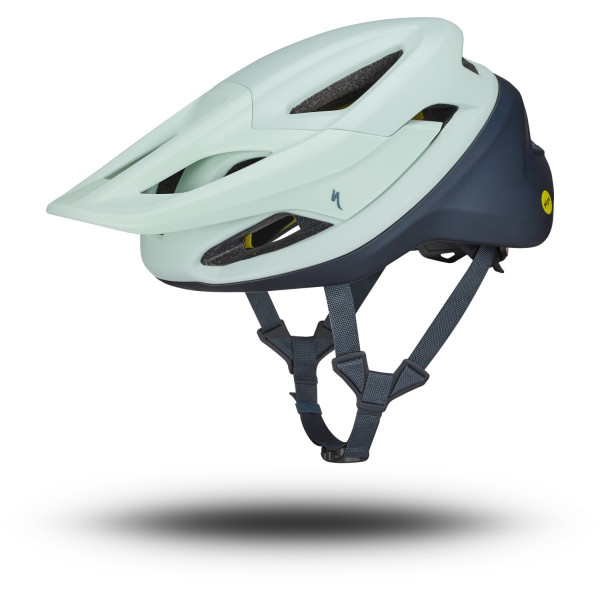
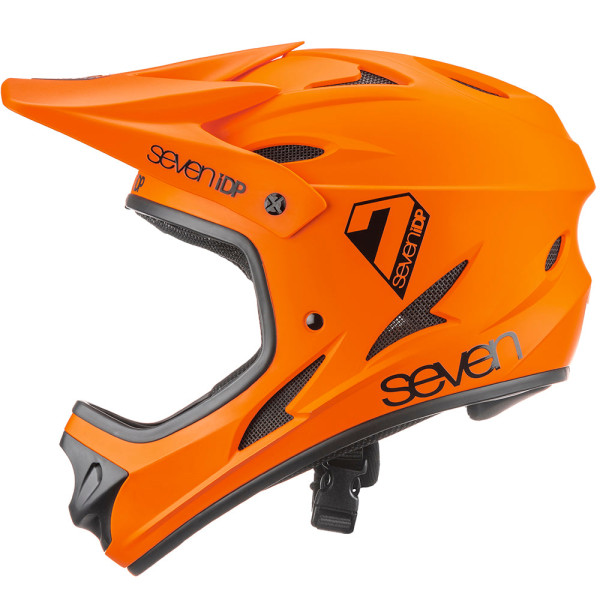
MTB helmets are designed for riding on forest trails and off-road. They often provide more coverage at the back of the head, and many models feature a visor. Full-face helmets are used for more aggressive riding and demanding trails, providing additional coverage for the jaw and face.
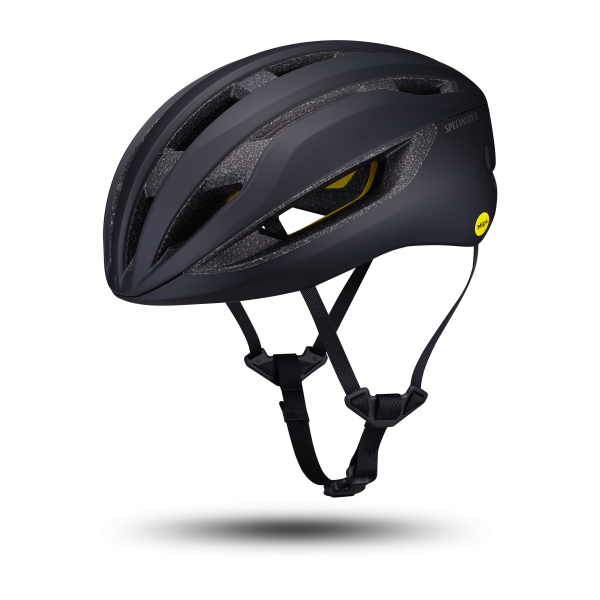
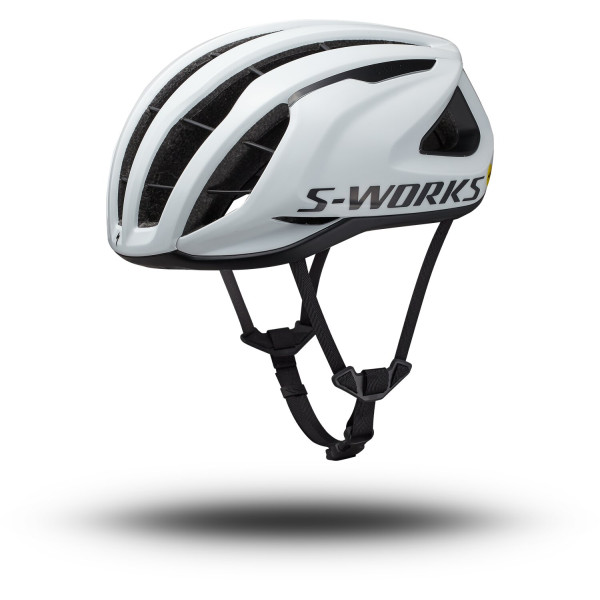
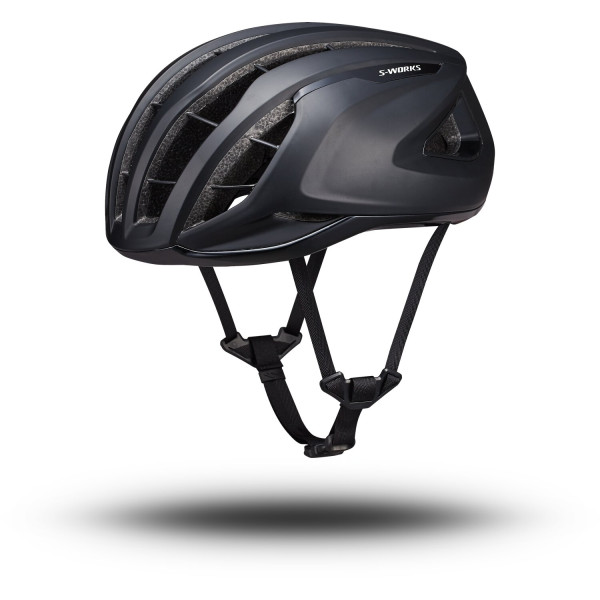
Road cycling helmets are generally lightweight and well ventilated, while sportier models may place greater emphasis on aerodynamics. These features are particularly useful on longer rides at higher speeds.
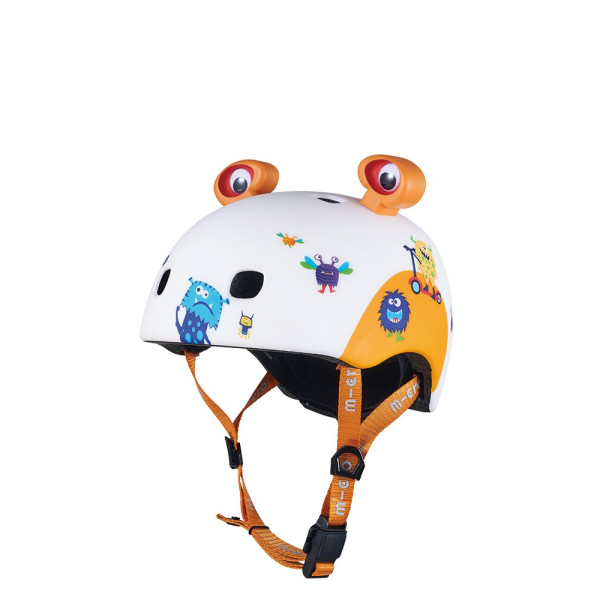
Kids' cycling helmets should be selected according to the child's head circumference and adjusted correctly. Avoid choosing a larger helmet simply so that the child can use it for longer – a helmet that is too loose will not fit properly.
If you are looking for a helmet for a scooter rather than a bicycle, you can find suitable models in our separate scooter helmets category.
How to choose the right cycling helmet size?
Cycling helmet size is determined by head circumference in centimetres. Wrap a soft measuring tape around the widest part of your head, approximately 1–2 cm above your eyebrows and ears. Compare the measurement with the size chart for the specific helmet.
There is no universal S, M or L sizing system. Size ranges can vary between manufacturers and even between individual models, so always follow the measurements specified for the particular model rather than relying only on the size you usually wear.
If your head circumference falls between two sizes, the helmet's adjustment range and shape also become important. If possible, it is best to try the helmet on.
How should a cycling helmet fit?
A correctly sized helmet should sit securely on your head without feeling tight. When worn, it should sit approximately level on your head and cover your forehead rather than being tilted high towards the back of your head.
Once the rear adjustment system has been set, the helmet should not move easily forwards, backwards or from side to side. The chin straps should be adjusted to help keep the helmet in the correct position without feeling restrictive.
It is important to consider not only the size but also the shape of the helmet. Helmets of the same size from different manufacturers or model ranges may fit the same head differently.
What else should you consider when choosing a cycling helmet?
Ventilation. It is particularly important when riding intensively or in warm weather. The number of ventilation openings alone does not determine how well a helmet ventilates – their placement and the internal air channels also play an important role.
Weight. A lighter helmet may be more comfortable on longer rides and during training, but lower weight alone does not mean that one helmet is better than another.
Adjustment system. It allows you to fine-tune the helmet to your head. A correctly adjusted helmet should remain secure without feeling tight.
Visibility. If you often ride in the city or in low-visibility conditions, a brighter helmet colour, reflectors or a rear light can be useful. These are additional visibility features and do not replace proper bicycle lights.
What is Mips in a cycling helmet?
Mips is an additional protection system inside the helmet. During a fall, the helmet often hits the ground at an angle and can cause the head to turn suddenly. The Mips system allows the helmet to move slightly relative to the head during an impact, helping to reduce this sudden turning motion.
Mips can be one of the criteria when comparing similar helmets, but the presence of this technology alone does not determine which model is best for you. The priority is to choose a helmet that is the right size, fits well and is suitable for your type of riding.
When should you replace a cycling helmet?
After a significant impact or fall, it is recommended to replace the helmet even if there is no obvious visible damage. The impact-absorbing inner structure may have been damaged in a way that cannot be seen with the naked eye.
It is also worth inspecting your helmet regularly. Cracks, deformation, damaged straps, buckle or adjustment mechanism are signs that should not be ignored. If the helmet has not been involved in an impact, follow the specific manufacturer's recommendations regarding its service life.
Cycling helmet brands
Helmets from different manufacturers can vary in construction, shape, adjustment system, ventilation and technologies used. When choosing between Specialized, ABUS, 7iDP, Micro and other brands, compare not only the brand or price but also the intended use and fit of the specific model.
There is no single best helmet brand for every cyclist. A helmet that fits one person perfectly may be uncomfortable for another because of differences in head shape, so choose the right size and model first and then compare additional features.

 Gifts
Gifts Discounts