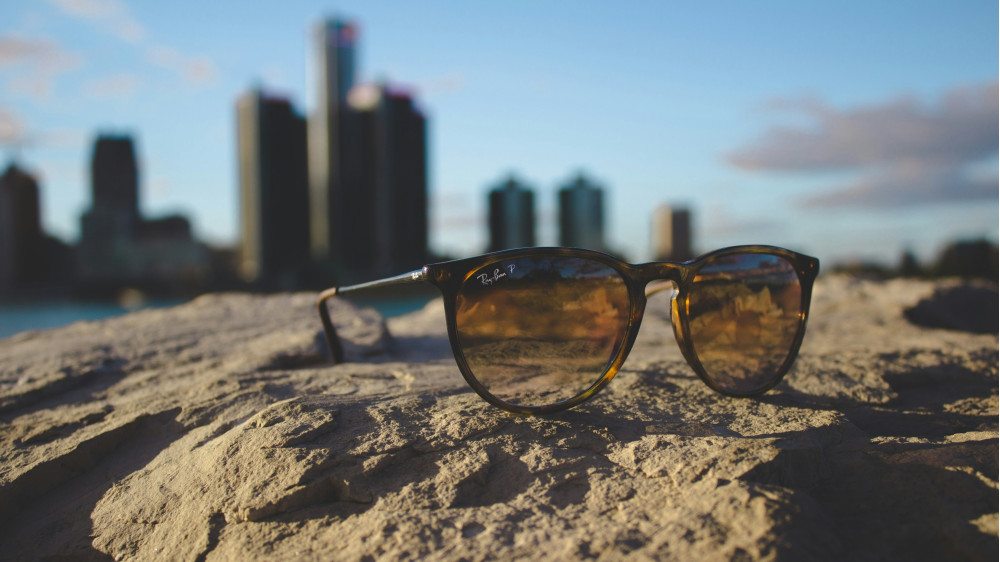
How to Choose Ray-Ban Sunglasses?
Ray-Ban sunglasses stand out for their recognisable frame shapes, but choosing the right pair involves more than just design. Mega Wayfarer, Aviator or Clubmaster models may look great in photos, yet fit very differently on the face in terms of size, proportions and overall comfort. Let’s take a closer look at how popular Ray-Ban models differ, how to understand their size markings and what to consider when choosing sunglasses for comfortable everyday wear.
Mega Wayfarer, Aviator or Clubmaster – What Is the Difference?
A Ray-Ban model name refers to a recognisable design, but each model may be available in different sizes, colours and lens options. It is therefore best to start by choosing the frame shape you like, then compare the specific versions available.
- Mega Wayfarer and Mega Wayfarer II. Bold, angular frames created as a modern interpretation of the classic Wayfarer design. These models are ideal for those looking for a stronger style statement. If you prefer thicker frames, it is worth comparing both versions and their proportions.
- Aviator. Slim metal frames with characteristic teardrop-shaped lenses. They appear lighter than chunky plastic frames, but it is important to choose the right width and check how the lenses sit in relation to your face.
- Clubmaster. A classic retro design with a more pronounced upper frame. It is a good alternative for those who want a distinctive look without frames as substantial as the Mega Wayfarer.
- Round Metal. Round lenses combined with slim metal frames. Their appearance differs noticeably from angular styles, so it is worth considering not only the width but also the height of the lenses.
- Justin. Angular, more expressive casual-style frames. They are worth comparing with the Mega Wayfarer if you like a similar character but prefer different proportions.
- Jack. Metal frames combining rounded and angular lines. An interesting choice for those looking for a less conventional shape.
The Velonova range also includes Bill, Cats 5000, Kai, Khal and other Ray-Ban models. The model name alone is not enough to make a decision – even sunglasses that look similar can fit very differently.
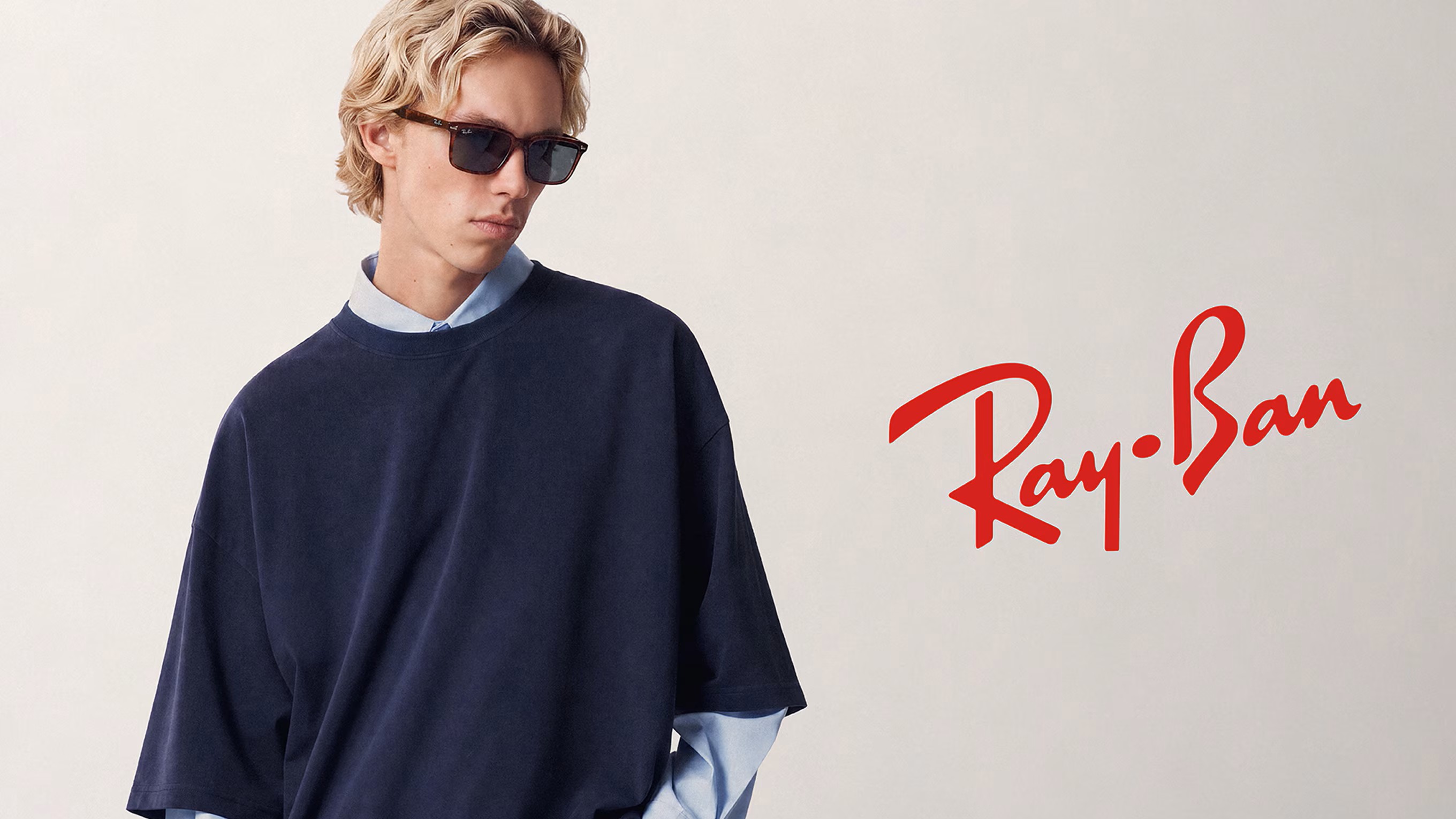
Should You Choose Ray-Ban Sunglasses Based on Face Shape?
It is often recommended that people with round faces choose more angular frames, while those with angular faces opt for rounder styles. This can be useful when looking for visual contrast, but it should not be treated as a strict rule that excludes a model you genuinely like.
For example, Mega Wayfarer frames can emphasise facial features thanks to their angular shape and thicker construction, while Round Metal can create a softer overall look. Aviator sunglasses can also look very different depending on the selected size.
In practice, it is more useful to consider three things: whether the frame width is proportionate to your face, whether the sunglasses sit comfortably on your nose and whether you like how they look from both the front and the side. Face shape should help you begin the search rather than restrict your choice.
What Do Ray-Ban Sunglasses Sizes Mean?
On the temple of Ray-Ban sunglasses, you will usually find the model code and size marking. For example, the numbers 52–21–145 mean:
- 52 mm – the width of one lens.
- 21 mm – the width of the bridge between the lenses.
- 145 mm – the length of the temple arm.
These measurements are useful for comparing different models, but they do not indicate the total frame width. Two pairs of sunglasses with the same lens width can still differ because of frame construction, edge thickness and temple positioning.
If you already own a comfortable pair of sunglasses, check their size first. Similar measurements can be a useful starting point when choosing a new pair, although the final decision should still be based on how the specific model fits.
Why Does the Same Size Not Always Mean the Same Fit?
The comfort of sunglasses depends not only on lens width but also on the bridge construction, frame shape and temple position. For example, metal Aviator frames with adjustable nose pads sit differently on the nose from Mega Wayfarer sunglasses with an integrated frame bridge.
Lens height can also vary. Taller lenses may cover a larger area of the face, while frames that sit lower may touch the cheeks for some people.
For this reason, you should not choose sunglasses based only on a Standard fit label or lens width. It is important to consider the entire construction, especially if previous sunglasses pressed against your nose or temples, or tended to slip frequently.
How to Check Whether Ray-Ban Sunglasses Fit Comfortably
When trying on sunglasses, first assess how they sit when your head is in a natural position. The frames should not press against your temples, while the bridge or nose pads should not create uncomfortable pressure.
Then tilt your head slightly, smile and turn it from side to side. Check whether the sunglasses slide, whether the lower part of the frame touches your cheeks and whether the temple arms sit comfortably behind your ears.
Finally, look at yourself from different angles. If the frames appear too wide or too narrow, it is worth trying another size or model. Even small differences in proportions can affect both appearance and comfort.

What Mistakes Do We Most Often Make When Choosing Sunglasses Online?
One of the most common mistakes is choosing a model based only on its photo. Product images make it difficult to accurately judge the frame width, lens height and how the sunglasses will look on a particular face.
Another common mistake is assuming that all versions of the same model are the same size. Before ordering, check the exact dimensions of the specific product and compare them with sunglasses you already own.
It is also worth distinguishing frame design from lens properties. The same Ray-Ban model may be available with different lens colours, gradient lenses or polarised lenses. If you plan to use the sunglasses frequently while driving or near water, pay attention not only to the frame shape but also to the characteristics of the specific lens.
How to Choose the Right Ray-Ban Sunglasses
Start with two or three models you like. If you prefer bold, thicker frames, compare Mega Wayfarer and Justin. If you prefer metal frames, consider trying Aviator, Round Metal or Jack. Then check the sizes and assess how each model fits.
Browse our Ray-Ban sunglasses range and compare the models you like. Sunglasses available in store can be tried on at the VELONOVA shop at J. Baltrušaičio g. 1, Vilnius.

 Gifts
 Discounts