
 Gifts
Gifts Discounts

Here you will find bicycle suspension forks and rear shocks designed to absorb impacts, improve traction, and ensure reliable control on any terrain.

TOP
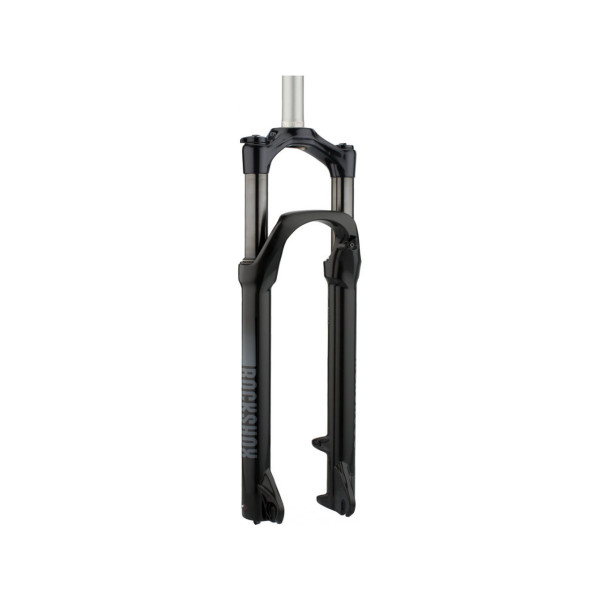
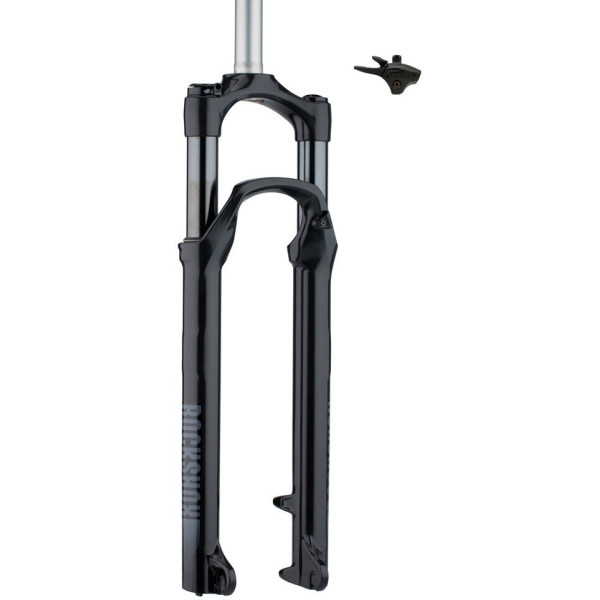
RockShox Judy Silver TK Solo Air 27.5" Fork | 1 1/8 | 9x100mm QR | 42mm Offset
179,00€
100 mm
120 mm


TOP
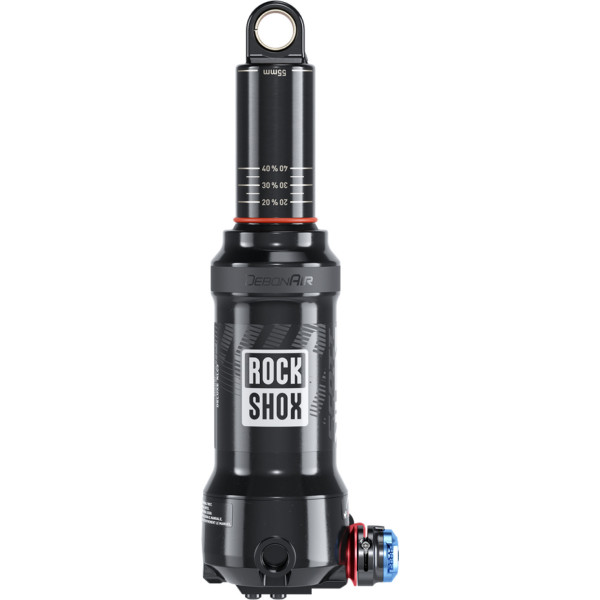
Rockshox Deluxe Nude RLC3 Debon Air Rear Shock | Trunnion
339,00€
165x40 mm
165x45 mm
185x55 mm
205x65 mm
TOP
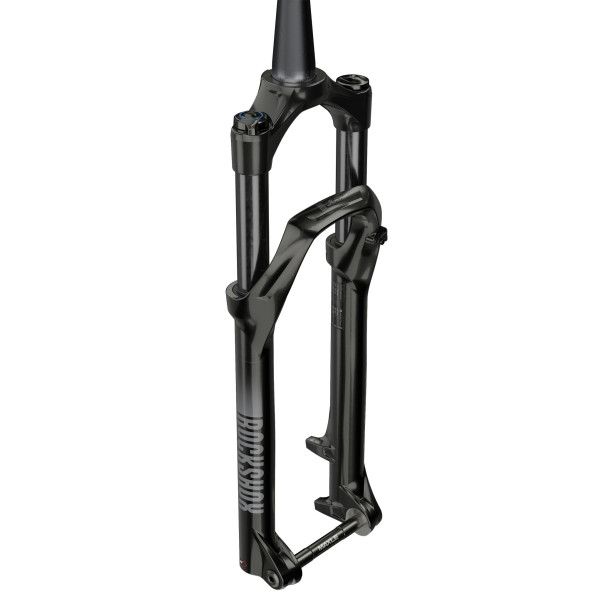
RockShox Judy Silver TK Solo Air Boost 29" Fork | Tapered | 15x110mm | 51mm Offset
299,00€
100 mm
120 mm
130 mm
Fast delivery
TOP

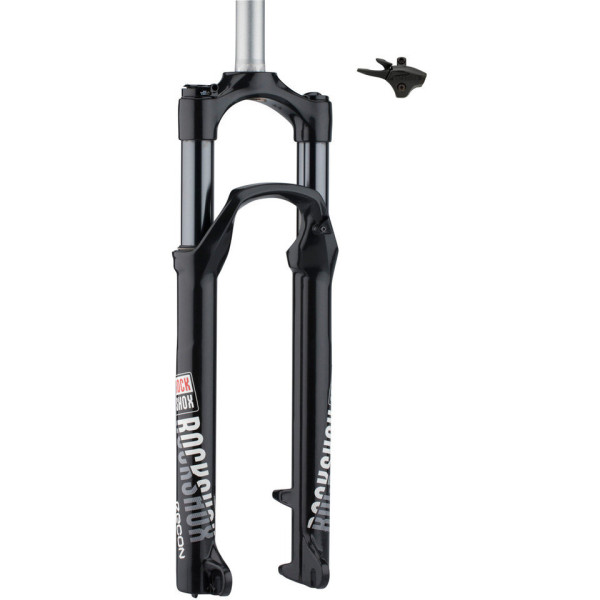
RockShox Recon Silver RL Solo Air 29" Fork | Tapered | 15x110mm | 51mm Offset
319,00€
100 mm
120 mm
130 mm
TOP

TOP

RockShox Judy Silver TK Solo Air Boost 27.5" Fork | Tapered | 15x110mm | 42mm Offset
299,00€
110 mm
120 mm
130 mm
TOP

RockShox Reba RL Solo Air Boost OneLoc 29" Fork | Tapered | 15x110mm | 51mm Offset
429,00€
100 mm
120 mm
TOP

RockShox Recon Silver RL Solo Air 27.5" Fork | 1 1/8 | 9x100mm QR | 42mm Offset
229,00€
100 mm
120 mm
Fast delivery

RockShox SID SL Ultimate Flight Attendant 29" Fork | Tapered | 15x110mm | 44mm Offset
1045,00€
110 mm
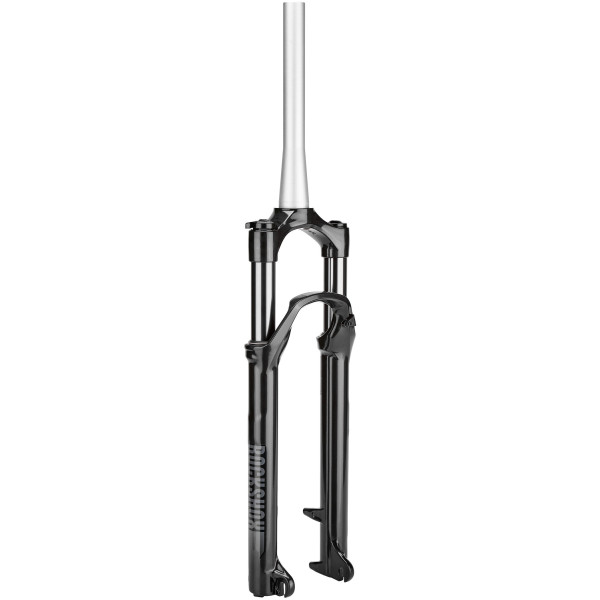
RockShox Recon Silver RL Solo Air 27.5" Fork | Tapered | 9x100mm QR | 42mm Offset
239,00€
100 mm
120 mm

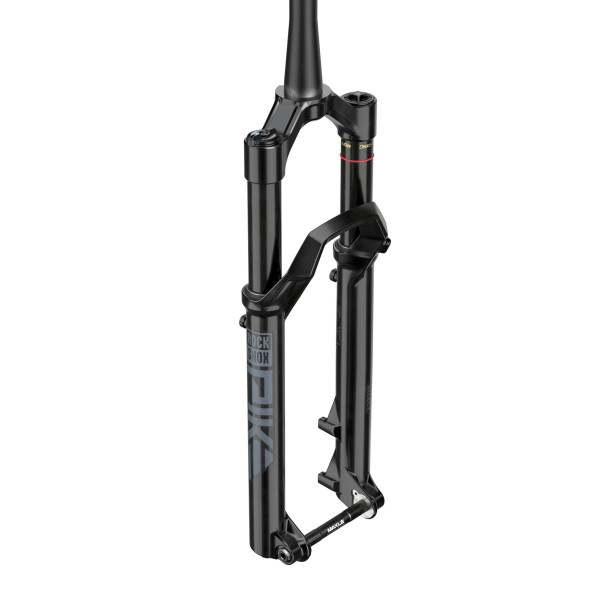
RockShox Pike Select DebonAir+ 29" Fork | Tapered | 15x100mm | 44mm Offset
649,00€
120 mm
130 mm
140 mm
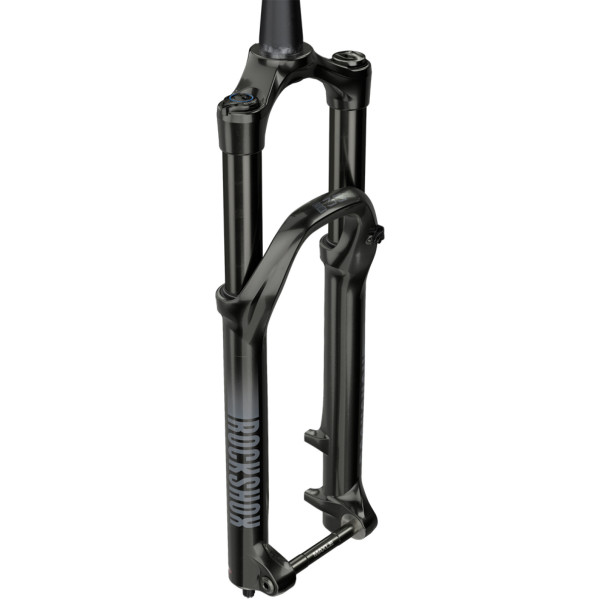
RockShox Recon Silver RL Solo Air Boost 27.5" Fork | Tapered | 15x110mm | 51mm Offset
319,00€
100 mm
120 mm
130 mm

RockShox ZEB Select 29" DebonAir+ Fork | Tapered | 15x110mm | 44mm Offset
729,00€
160 mm
170 mm
180 mm
190 mm
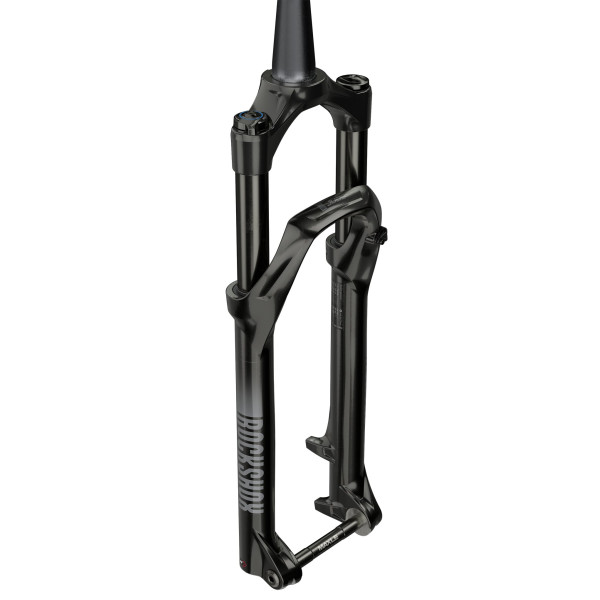
RockShox Judy Gold RL Solo Air Boost 29" Fork | Tapered | 15x110mm | 42mm Offset
349,00€
100 mm
120 mm